Edge geometry
Record the verge shape and how the flashing meets the gable and eaves.
Roof junctions
Barge Flashing Replacement in Whanganui: a barge flashing connects the roof edge with the fascia or gable and needs a detail that suits both.
06 880 1066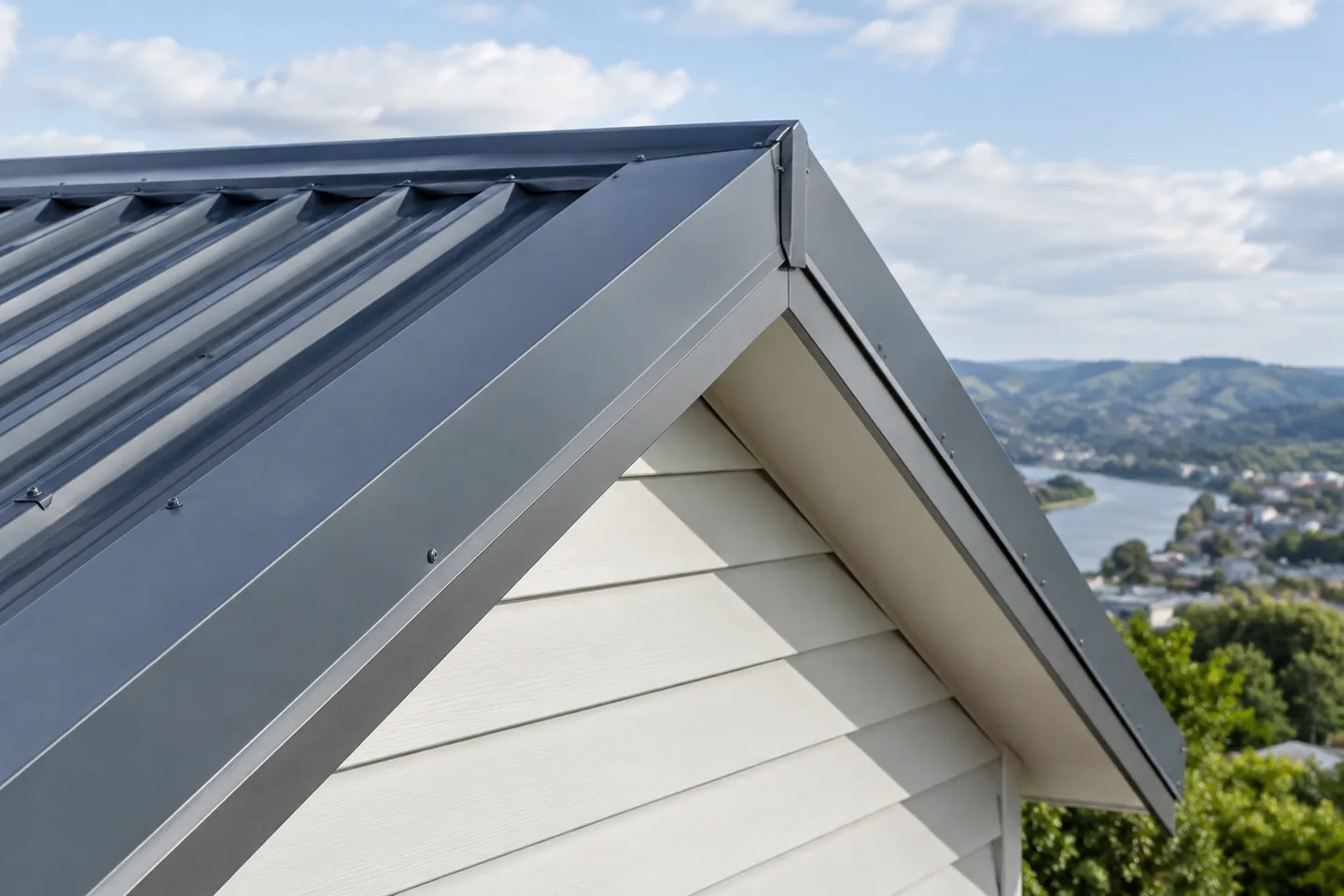
Let’s start with your property
Barge flashing covers the roof edge along a gable end, and it takes constant wind loading that makes it prone to working loose well before other flashings on the same roof. Whanganui barge flashing replacement covers removing corroded, loose or damaged barge flashing and refitting new flashing with correct overlap and fixing for the roof edge it's protecting. Loose barge flashing is a common cause of water tracking into the roof space along gable ends, and it's often first noticed as a rattling sound in windy weather before any leak becomes visible. We check the fixing points and any underlying timber or fascia for damage while replacing barge flashing, since a flashing that's worked loose has often let some moisture in already. Matching profile and colour to the existing roof is standard practice unless you're planning a wider re-roof or renovation.
A clear scope. The right questions.
A considered next step.
Is this your starting point?
A loose gable-edge trimA loose barge is often heard before it's seen, rattling in wind while it lets moisture track along the gable. Whanganui barge flashing replacement refixes the edge before wind removes it entirely and takes roof sheets with it.
Corrosion along the vergeThe verge is fully exposed on two faces, so it weathers and corrodes ahead of the rest of the roof. Whanganui barge flashing replacement renews it while the adjoining sheets and timber are still in sound condition.
Wind-driven moisture near an edgeWind drives rain horizontally at gable edges, past details that handle ordinary vertical rainfall perfectly well. Whanganui barge flashing replacement fits flashing with the cover and overlap that genuinely exposed edges actually require.
A closer look at the scope
Record the verge shape and how the flashing meets the gable and eaves.
Check the fascia or supporting edge before attaching replacement metalwork.
Confirm the cover and profile against the roof system’s detail drawings.
Resolve the meeting points at the ridge and lower verge end within the scope.
Your options
Discuss repair a short edge when the assessment supports a defined scope. Ask which adjoining components can remain and how the new work will connect.
Consider renew the full verge when the existing condition or project brief needs a wider approach. Confirm access, interfaces and exclusions before accepting the proposal.
Reasons to choose us
Verges take wind on two faces and weather ahead of the rest of the roof. We fit flashing with the cover and overlap that genuinely exposed edges require.
A loose barge lets wind under the roofing, and what starts as a rattle can end as lost sheets. We re-secure the edge before that progression begins.
Flashing that has worked loose has usually let some moisture in. We inspect the supporting timber while the edge is open rather than closing over hidden damage.
Profile and colour are matched so the renewed verge reads as part of the roof, keeping the gable end looking intentional rather than obviously repaired.
What to expect on site
Barge flashing work is focused along the gable end of your roof, so expect activity in that specific area rather than across the wider roofline, generally completed within a few hours. We'll confirm access needed, particularly if the gable end faces a boundary or narrow side access, and flag any related fascia or timber checks we'll do while the flashing is off. Noise is moderate, from removal and refitting.
Because barge flashing is one of the more wind-exposed areas of the roof, we avoid working here in high wind, so we'll confirm timing once conditions are calm enough to fit and seal the new flashing properly without it being compromised mid-installation.
Questions about barge flashing replacement
Use these answers to prepare a brief for your property and clarify the proposed work.
What Affects a Roofing Quote?Describe a loose gable-edge trim or the change you are planning. Existing reports, approximate age and safe photographs help establish what needs assessment.
Edge geometry, Supporting condition, Cover dimensions, Corner connections all matter. The condition of adjoining materials and the practical access arrangement can expand or limit the proposed work.
Ask whether related work can share access or preparation. Keep the components, responsibilities and exclusions itemised so you can compare the combined proposal.
Edge geometry: Record the verge shape and how the flashing meets the gable and eaves. Supporting condition: Check the fascia or supporting edge before attaching replacement metalwork. Cover dimensions: Confirm the cover and profile against the roof system’s detail drawings. Corner connections: Resolve the meeting points at the ridge and lower verge end within the scope.
Repair a short edge: Discuss repair a short edge when the assessment supports a defined scope. Ask which adjoining components can remain and how the new work will connect. Renew the full verge: Consider renew the full verge when the existing condition or project brief needs a wider approach. Confirm access, interfaces and exclusions before accepting the proposal.
For barge flashing replacement, discuss cover dimensions and corner connections early. Access, weather and adjoining building work can affect the sequence. Confirm material availability and how unexpected conditions will be priced before work starts.
Connected to barge flashing replacement
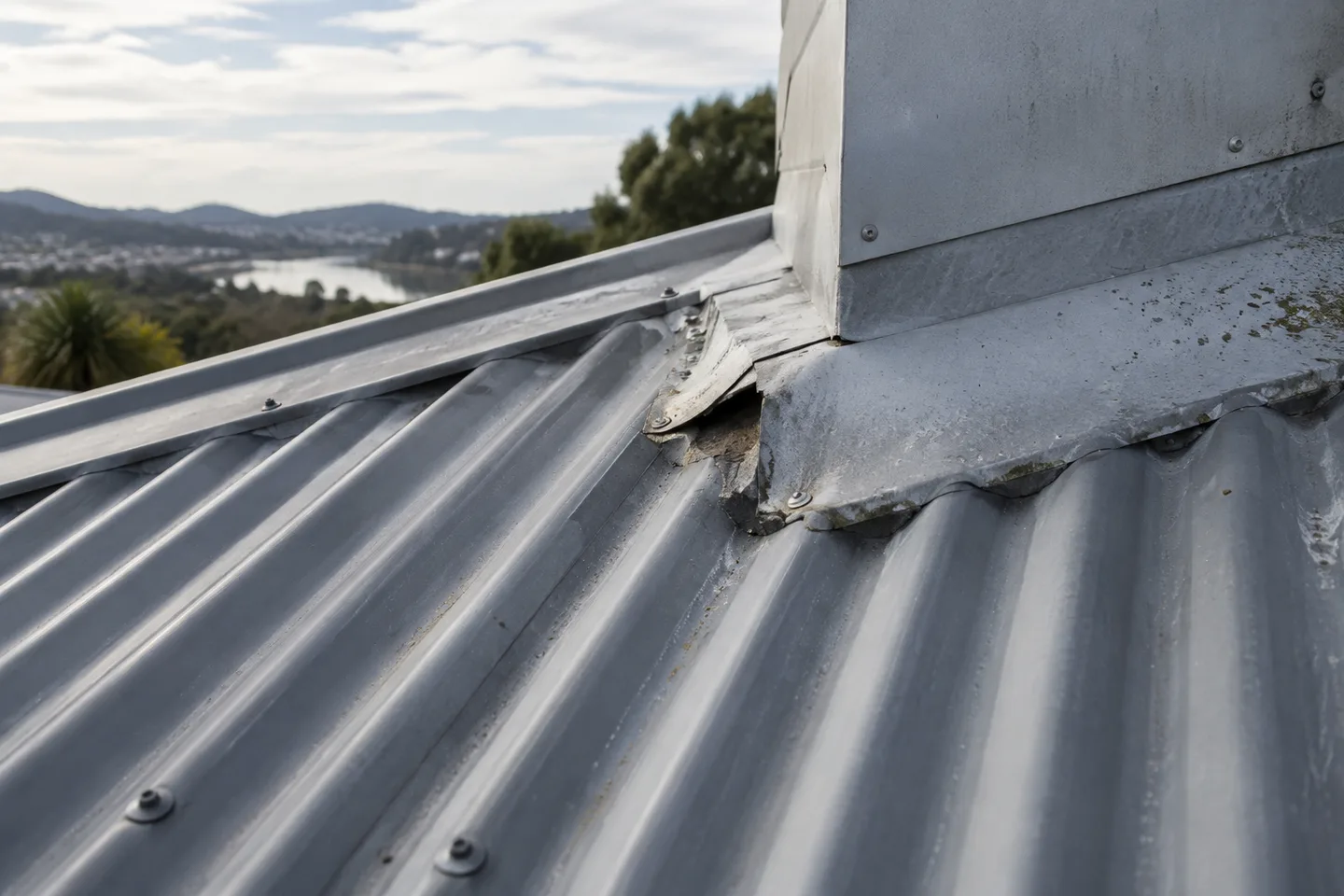
Understand leaks, damaged sheets and tired junctions before choosing a targeted repair.
View service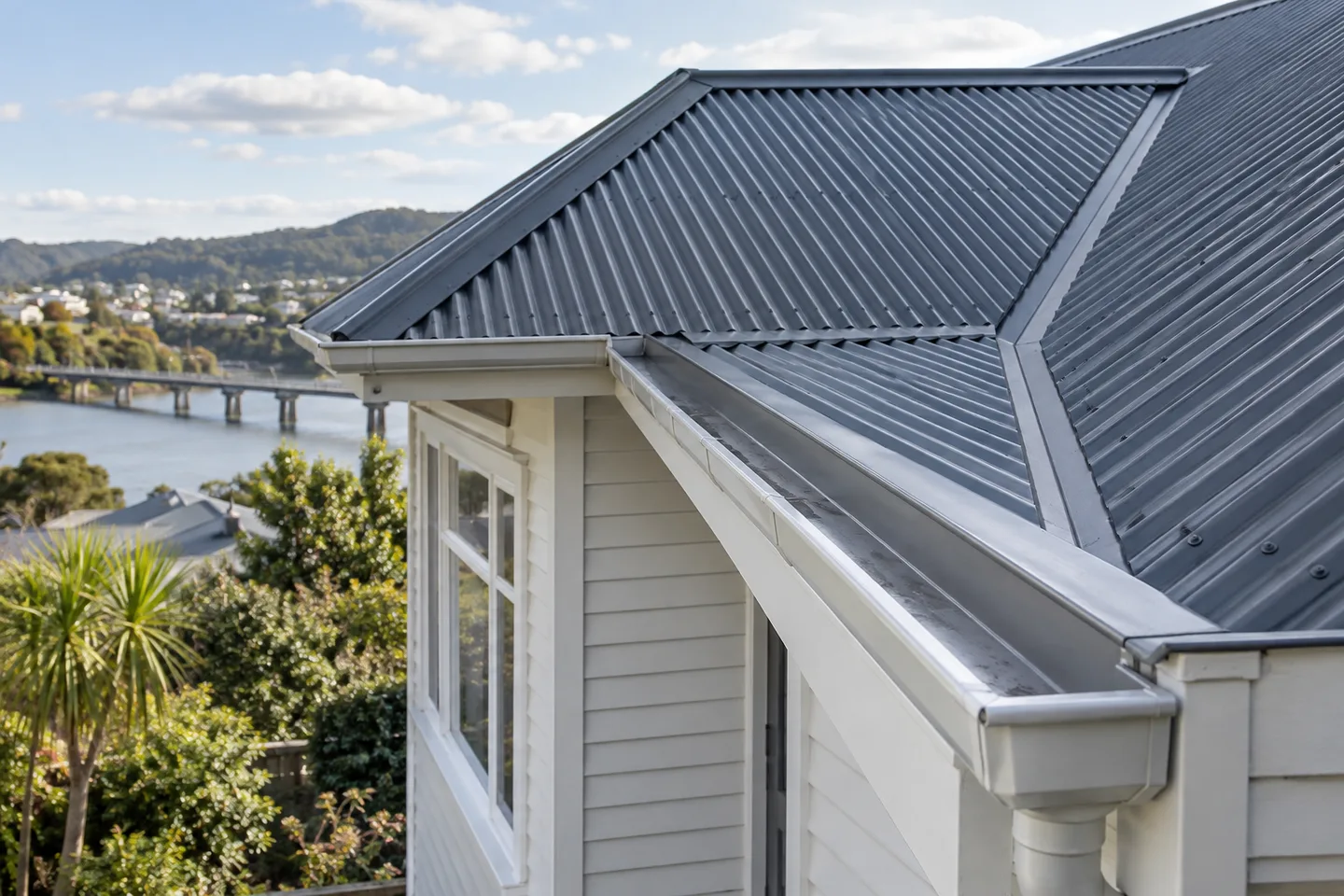
Build a practical picture of roof condition and prioritise maintenance before committing to major work.
View service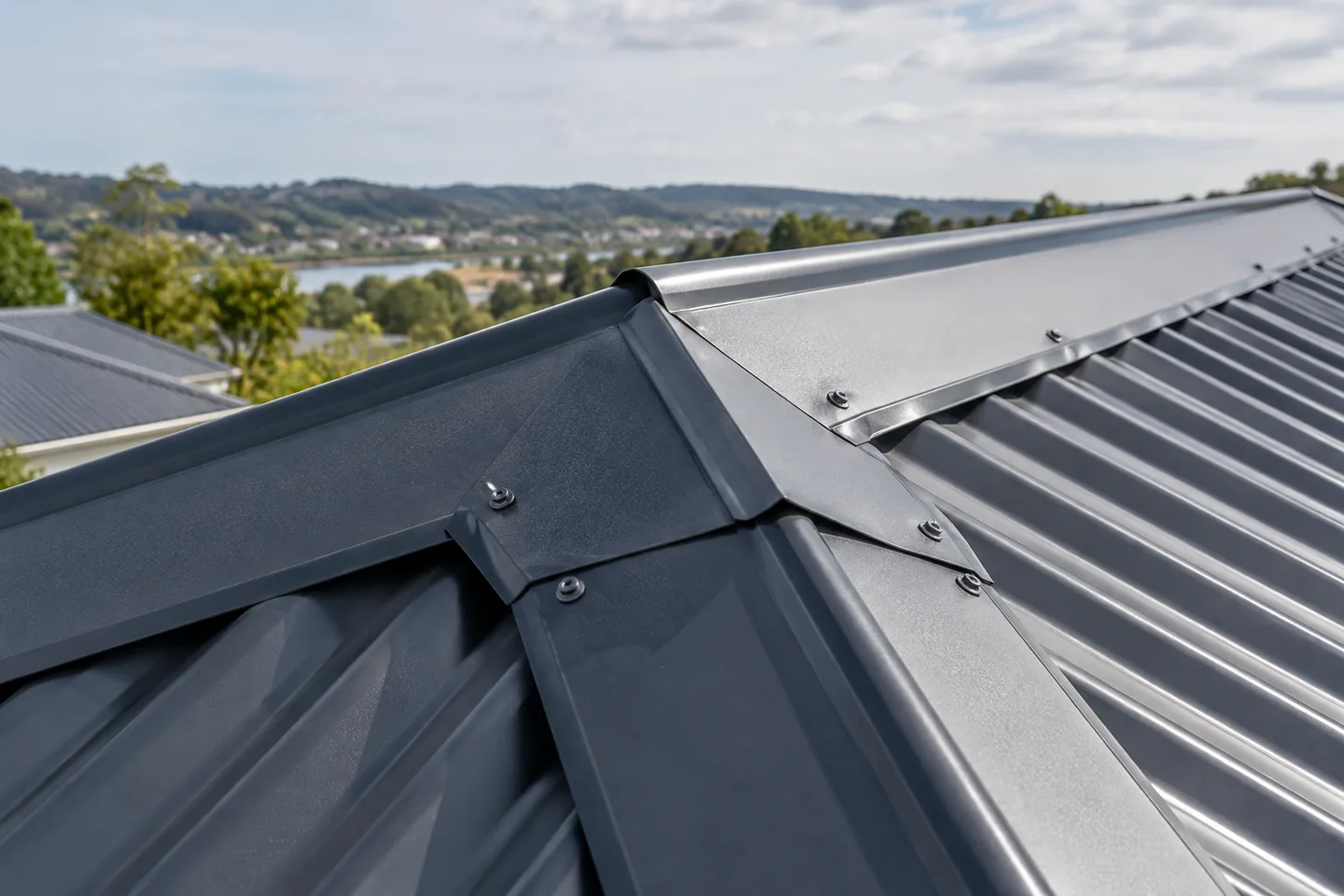
Focus on the junctions that keep roof edges, ridges and penetrations weather-resistant.
View serviceYour home. The next chapter.
Start with your suburb, your roof concerns and what you want to achieve.