Work-bay layout
Locate machinery and active work bays beneath the planned roofing area.
Business premises
Workshop Roofing in Whanganui: workshop roofing should account for machinery, extraction equipment and safe separation of work areas.
06 880 1066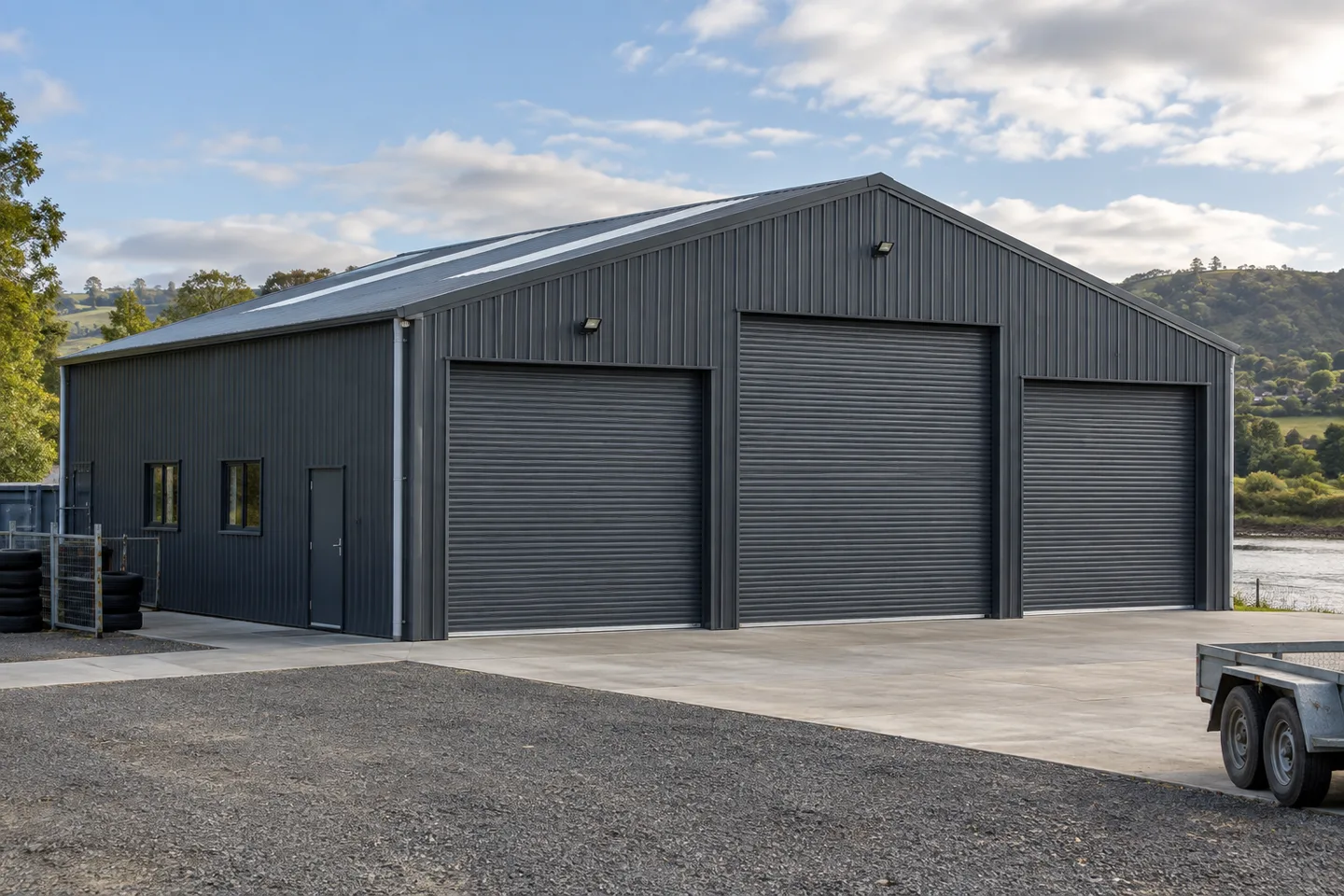
Let’s start with your property
Workshops often combine higher moisture, dust or chemical exposure with the practical need to keep the space usable throughout any roofing work. Whanganui workshop roofing covers new roofing and re-roofing for workshop buildings, specified to handle the particular conditions inside — welding sparks, dust extraction outlets, or chemical fume venting, depending on what the workshop is used for. We plan penetrations for extraction systems, skylights and any roof-mounted equipment during the design stage rather than cutting them in after installation, which keeps flashing and weathertightness properly integrated. Scheduling is planned around your operational needs, since most workshops can't simply close for the duration of a re-roof. Whether it's a small trade workshop or a larger fabrication or mechanical facility, we specify roofing material and thickness to suit the specific demands of the space.
A clear scope. The right questions.
A considered next step.
Is this your starting point?
Drips near workshop equipmentWater near machinery, tooling or electrical equipment is a safety and cost problem long before it's a building problem. Whanganui workshop roofing resolves the leak while keeping the space usable throughout the work.
Worn roofing above work baysWorkshop roofs face heat, fumes and moisture from inside as well as weather outside, so they wear faster than expected. Whanganui workshop roofing specifies material suited to those internal conditions, not merely the external climate.
Changes to extraction penetrationsEvery new extraction outlet or flue cuts the weather barrier, and retrofitted penetrations are a frequent source of leaks. Whanganui workshop roofing plans and flashes them properly rather than cutting them in afterwards.
A closer look at the scope
Locate machinery and active work bays beneath the planned roofing area.
Record extraction ducts and other openings that must be coordinated with the roof scope.
Agree exclusion areas and any operational pauses before confirming a programme.
Check how roof materials and access equipment can enter the site without obstructing workshop circulation.
Your options
Discuss repair a work-bay roof when the assessment supports a defined scope. Ask which adjoining components can remain and how the new work will connect.
Consider coordinated workshop re-roof when the existing condition or project brief needs a wider approach. Confirm access, interfaces and exclusions before accepting the proposal.
Reasons to choose us
Most workshops can't simply close for a re-roof. We plan staging and protection so you keep working through the project rather than losing weeks of production.
Welding heat, fumes, dust and moisture all attack a roof from inside. We select material and coatings for those conditions, not just the weather outside.
Retrofitted openings for extraction and flues are a frequent leak source. We plan and flash them as part of the roof rather than cutting them in later.
Water near machinery and electrical gear is a hazard before it's a building problem. We treat those areas as a priority and work safely around them.
What to expect on site
Workshop roofing is planned around your operational needs, particularly if extraction systems, skylights or roof-mounted equipment are part of the job, so expect us to confirm these details with you before work begins. We'll coordinate access and timing to minimise disruption to ongoing workshop activity, and flag any periods where certain areas of the workshop may need temporary closure for safety. Noise levels depend on the scope of work but are generally moderate to high during active installation phases.
Weather affects timing the same way it does other roofing work, so we'll confirm the schedule once conditions look settled, and keep you updated if anything needs to shift around your operational calendar.
Questions about workshop roofing
Use these answers to prepare a brief for your property and clarify the proposed work.
What Affects a Roofing Quote?Describe drips near workshop equipment or the change you are planning. Existing reports, approximate age and safe photographs help establish what needs assessment.
Work-bay layout, Roof penetrations, Isolation needs, Material handling all matter. The condition of adjoining materials and the practical access arrangement can expand or limit the proposed work.
Ask whether related work can share access or preparation. Keep the components, responsibilities and exclusions itemised so you can compare the combined proposal.
Work-bay layout: Locate machinery and active work bays beneath the planned roofing area. Roof penetrations: Record extraction ducts and other openings that must be coordinated with the roof scope. Isolation needs: Agree exclusion areas and any operational pauses before confirming a programme. Material handling: Check how roof materials and access equipment can enter the site without obstructing workshop circulation.
Repair a work-bay roof: Discuss repair a work-bay roof when the assessment supports a defined scope. Ask which adjoining components can remain and how the new work will connect. Coordinated workshop re-roof: Consider coordinated workshop re-roof when the existing condition or project brief needs a wider approach. Confirm access, interfaces and exclusions before accepting the proposal.
For workshop roofing, discuss isolation needs and material handling early. Access, weather and adjoining building work can affect the sequence. Confirm material availability and how unexpected conditions will be priced before work starts.
Connected to workshop roofing
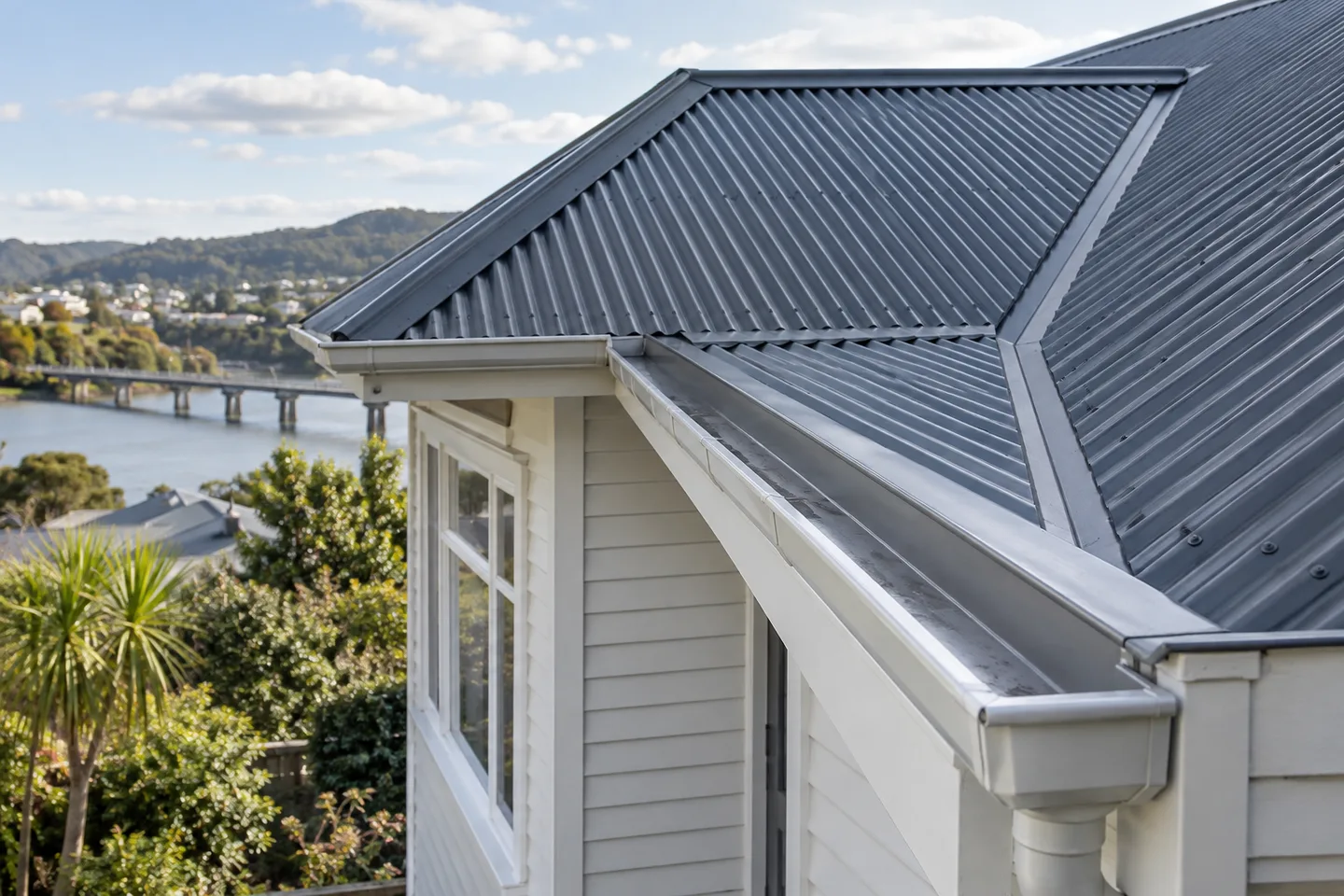
Build a practical picture of roof condition and prioritise maintenance before committing to major work.
View service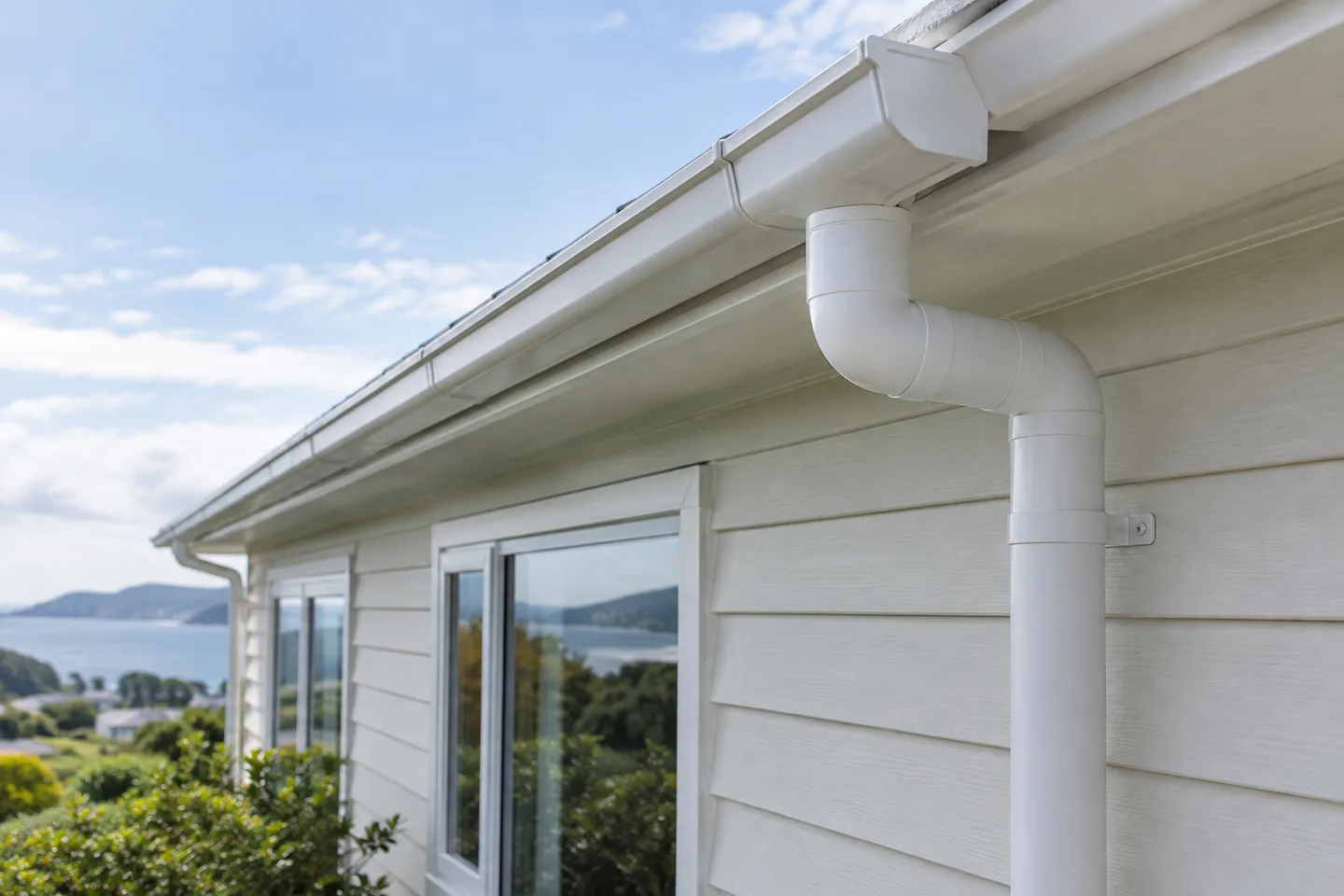
Consider gutters, outlets, downpipes and fascia together to understand roof drainage problems.
View service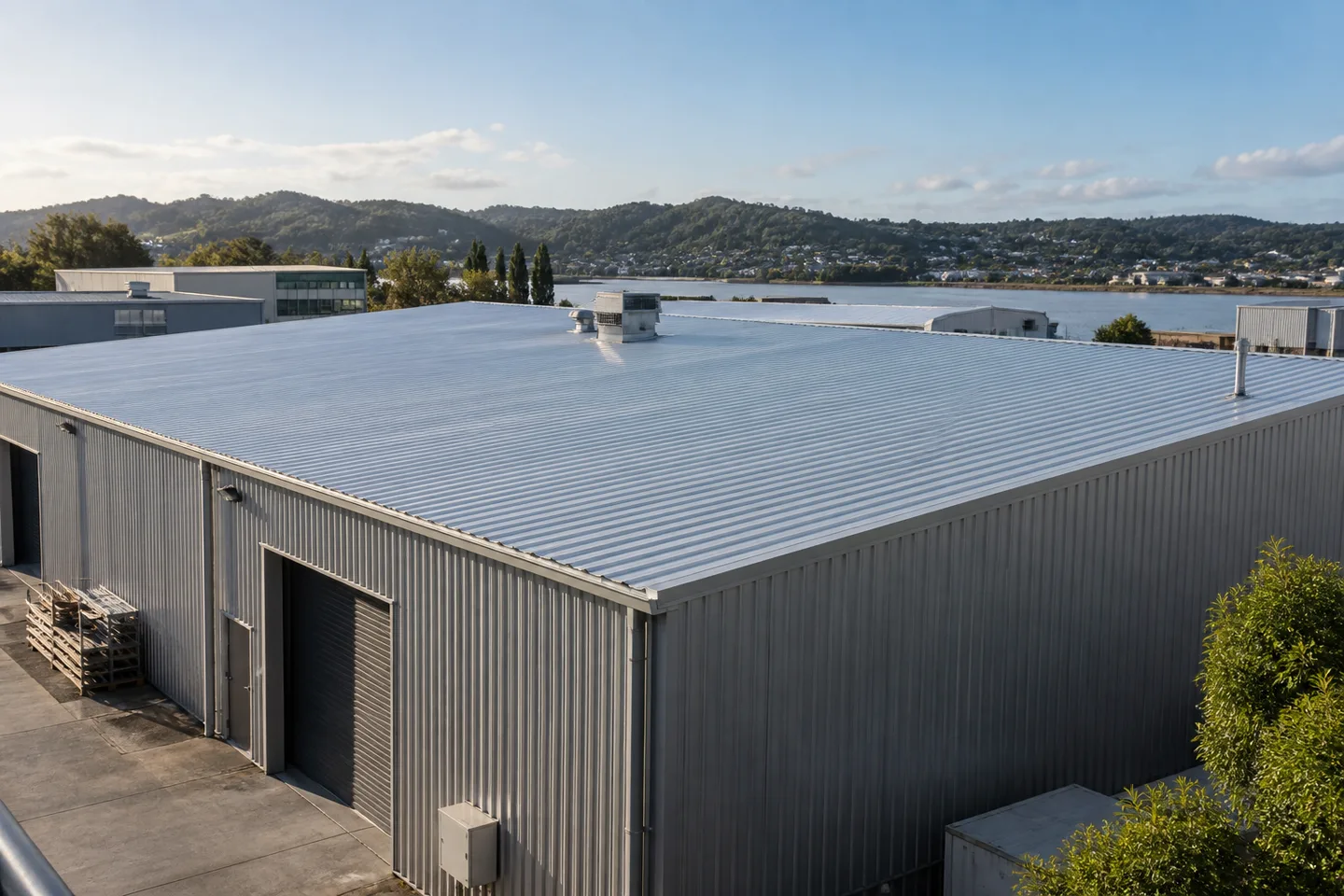
Plan roof work around building operations, access, roof-mounted equipment and the agreed maintenance scope.
View serviceYour home. The next chapter.
Start with your suburb, your roof concerns and what you want to achieve.