Building use
Describe the stored materials, machinery or animal use that may affect the roofing brief.
Business premises
Farm Building Roofing in Whanganui: rural building roofing should consider the use of the space, access across the property and site exposure.
06 880 1066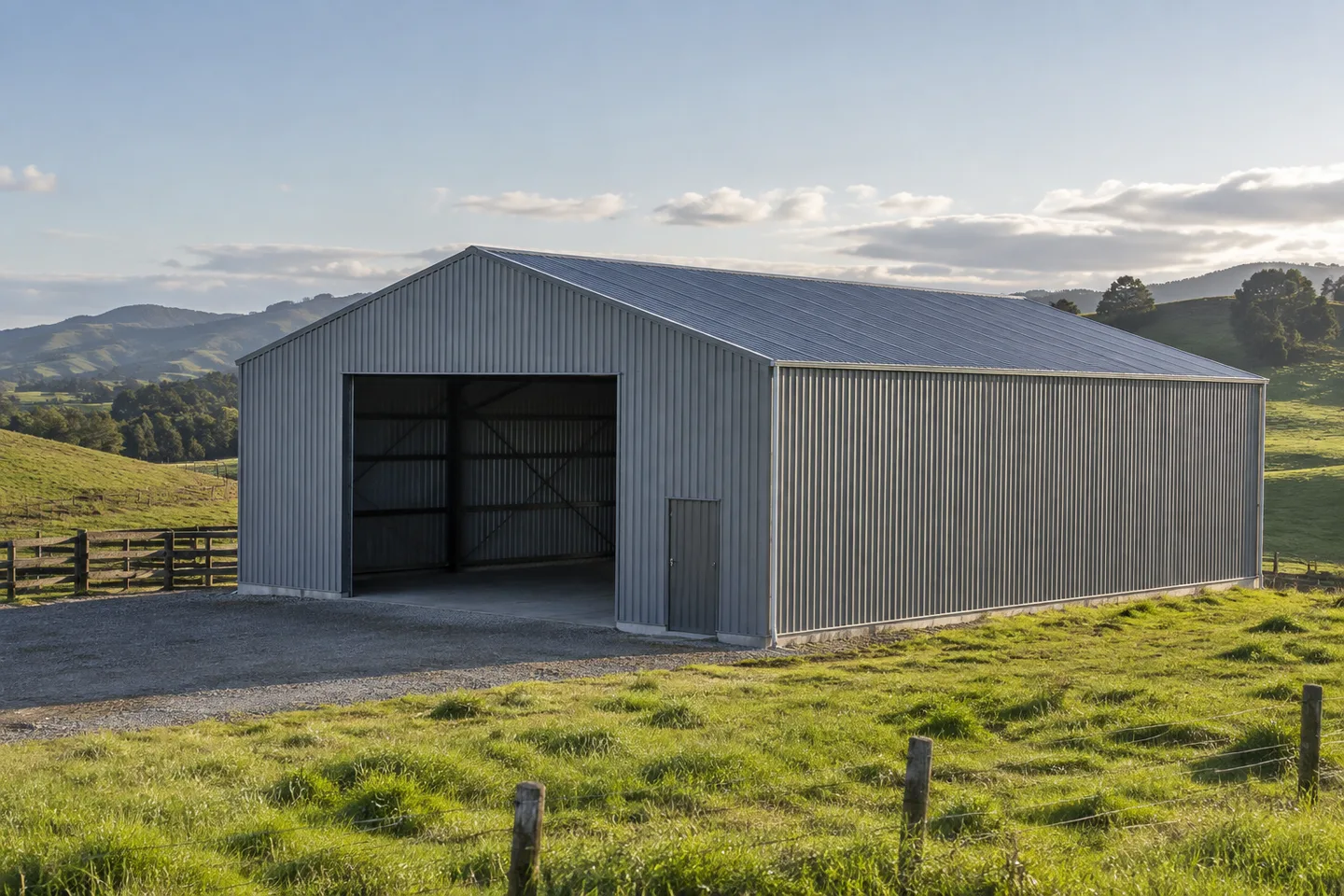
Let’s start with your property
Farm buildings face conditions residential and standard commercial roofs rarely need to handle — dust, ammonia exposure in stock buildings, wide clear spans, and often more exposed wind loading than in-town properties. Whanganui farm building roofing covers roofing for barns, implement sheds, stock buildings and other rural structures, specified for the particular conditions each building type presents. We use corrosion-resistant coatings and fixing systems suited to stock building environments, and account for wide-span structural requirements common in implement and hay sheds. Scheduling around farm operations and seasonal demands is part of the planning, since a busy calving or harvest period isn't the time for roof disruption. Whether it's a new build, a re-roof on an ageing structure, or repair work after storm damage, we understand the practical, cost-conscious approach most rural roofing projects need.
A clear scope. The right questions.
A considered next step.
Start with an observation
01Leaks above farm storageWater over feed, seed, machinery or chemicals turns a roofing problem into a stock and equipment loss very quickly. Whanganui farm building roofing resolves it with materials suited to the exposure rural buildings genuinely face.
02Loose rural shed roofingRural buildings sit more exposed than in-town properties, so wind works fixings loose faster and failure arrives suddenly. Whanganui farm building roofing re-secures the roof to a fixing pattern matched to that level of exposure.
03An agricultural building extensionExtending a farm building means tying new roofing into a structure that may be old, wide-span or corrosive inside. Whanganui farm building roofing details that junction for the conditions the building actually works in.
Scope notebook
Describe the stored materials, machinery or animal use that may affect the roofing brief.
Have the existing roof supports assessed before treating recladding as the complete scope.
Check delivery routes, ground conditions and turning space for long roofing materials.
Discuss where roof water is collected and any effects on working yards or access tracks.
Why work with us
Farm buildings sit more exposed than town properties, and wind works fixings loose faster. We specify fixing patterns and materials for those conditions rather than suburban assumptions.
Stock buildings, fertiliser storage and chemical sheds attack roofing from inside. We select corrosion-resistant coatings and fixings suited to what the building actually holds.
Implement and hay sheds carry clear spans that suburban roofing never encounters. We work to the span, purlin spacing and loading the building genuinely requires rather than a domestic standard.
Calving, harvest and other peak periods are not the time for roof disruption. We plan work around your operational year rather than our own convenience.
Two ways to frame the work
Discuss farm shed repairs when the assessment supports a defined scope. Ask which adjoining components can remain and how the new work will connect.
Consider new agricultural roof covering when the existing condition or project brief needs a wider approach. Confirm access, interfaces and exclusions before accepting the proposal.
What to expect on site
Farm building roofing is planned around your operational calendar, particularly avoiding disruption during calving, harvest or other critical periods where possible, so we'll confirm timing with you well ahead of the work. Expect material delivery and access requirements suited to rural properties, including any gate or track access needed for trucks and equipment. Noise levels depend on the building and scope, but are generally moderate during active installation.
Because farm buildings are often more exposed than in-town structures, weather has a real impact on scheduling here, so we'll confirm the work window once conditions look settled and stay in contact if timing needs to shift around your farm's schedule.
Questions about farm building roofing
Use these answers to prepare a brief for your property and clarify the proposed work.
What Affects a Roofing Quote?Describe leaks above farm storage or the change you are planning. Existing reports, approximate age and safe photographs help establish what needs assessment.
Building use, Support condition, Site access, Drainage arrangements all matter. The condition of adjoining materials and the practical access arrangement can expand or limit the proposed work.
Ask whether related work can share access or preparation. Keep the components, responsibilities and exclusions itemised so you can compare the combined proposal.
Building use: Describe the stored materials, machinery or animal use that may affect the roofing brief. Support condition: Have the existing roof supports assessed before treating recladding as the complete scope. Site access: Check delivery routes, ground conditions and turning space for long roofing materials. Drainage arrangements: Discuss where roof water is collected and any effects on working yards or access tracks.
Farm shed repairs: Discuss farm shed repairs when the assessment supports a defined scope. Ask which adjoining components can remain and how the new work will connect. New agricultural roof covering: Consider new agricultural roof covering when the existing condition or project brief needs a wider approach. Confirm access, interfaces and exclusions before accepting the proposal.
For farm building roofing, discuss site access and drainage arrangements early. Access, weather and adjoining building work can affect the sequence. Confirm material availability and how unexpected conditions will be priced before work starts.
Connected to farm building roofing
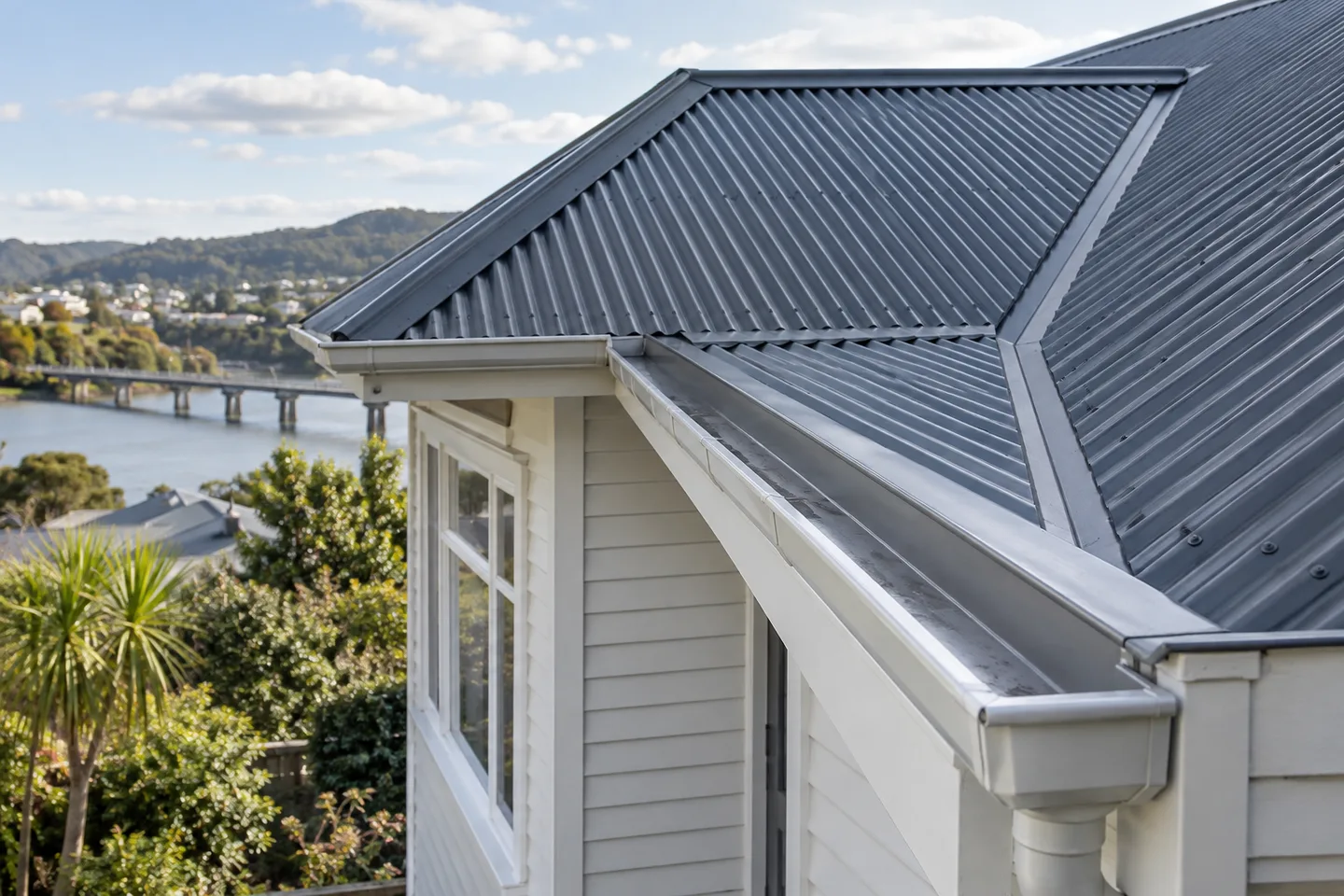
Build a practical picture of roof condition and prioritise maintenance before committing to major work.
View service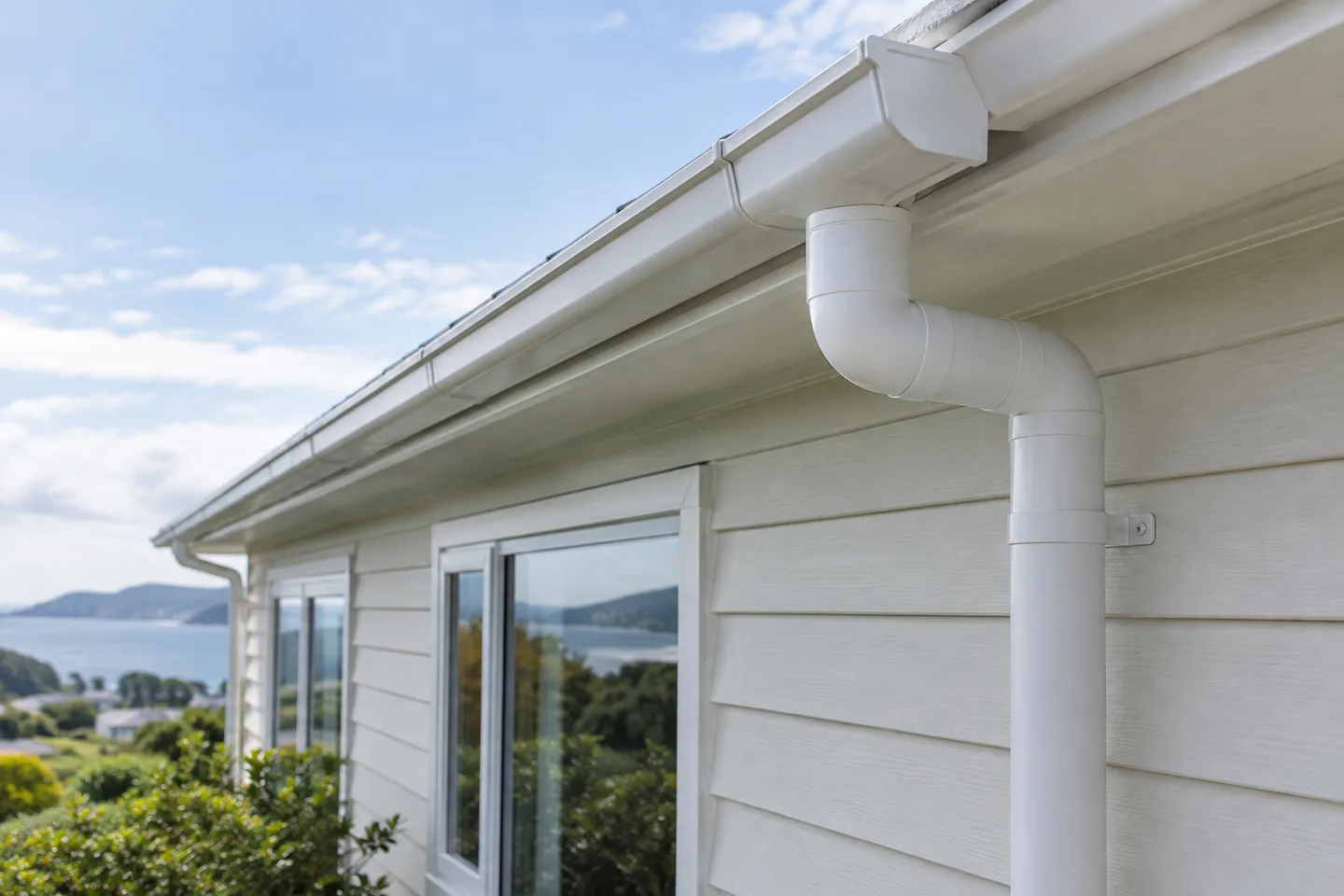
Consider gutters, outlets, downpipes and fascia together to understand roof drainage problems.
View service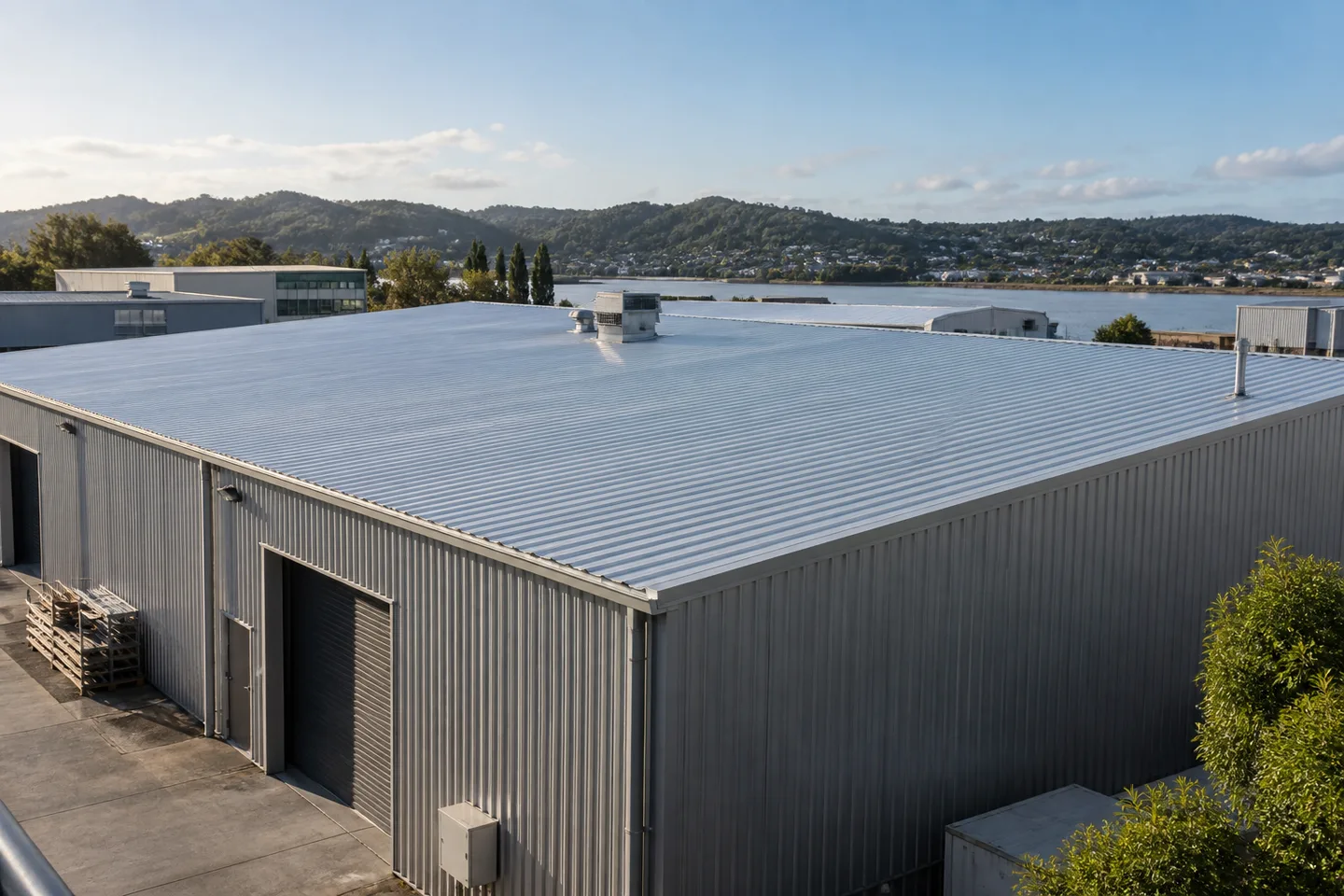
Plan roof work around building operations, access, roof-mounted equipment and the agreed maintenance scope.
View serviceYour home. The next chapter.
Start with your suburb, your roof concerns and what you want to achieve.