Big decisions
Whanganui Guide: Comparing Roofing Materials
Compare systems by roof geometry, exposure, structure and care—not just colour.
06 880 1066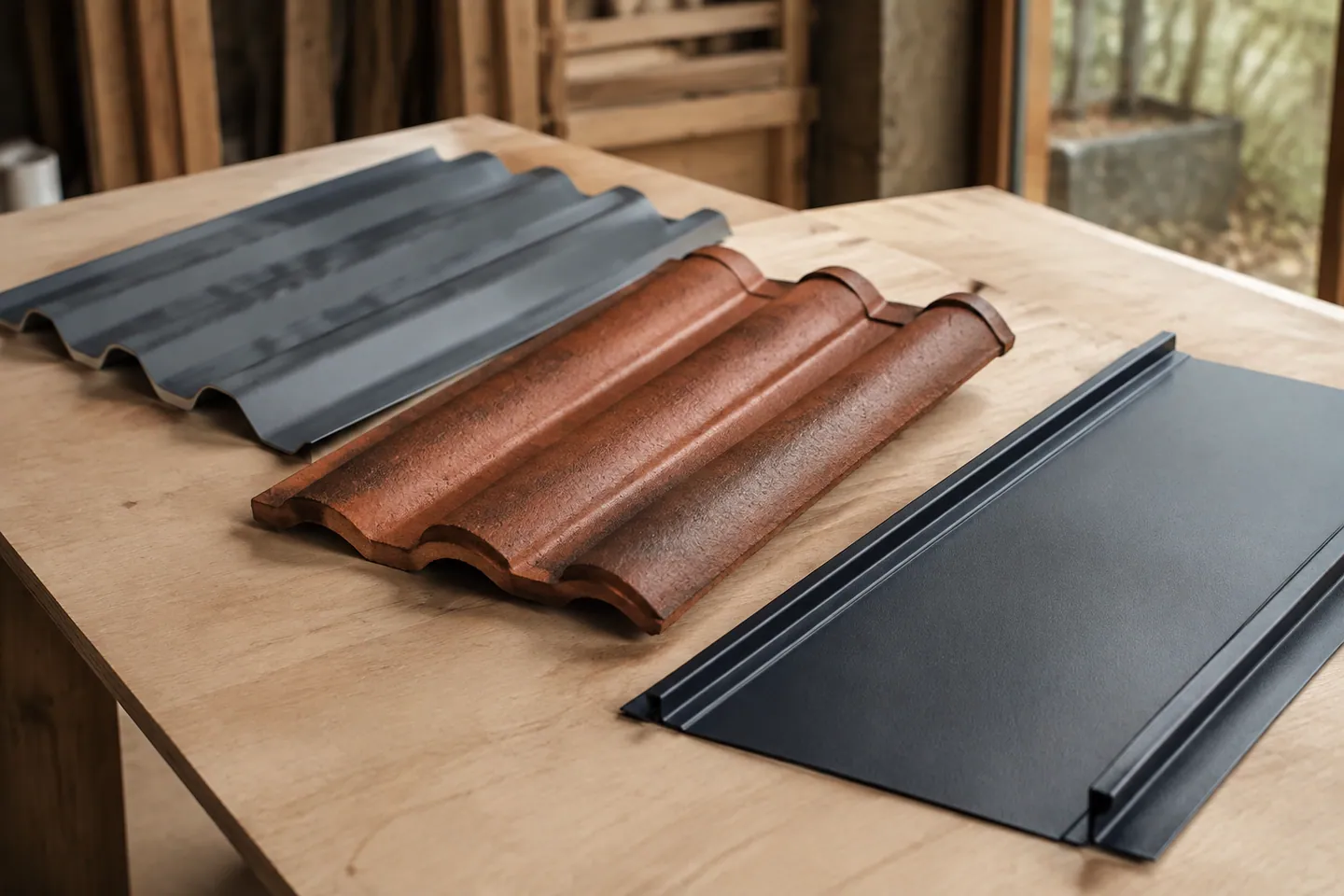
Let’s start with your property
Start with the right question.
A material that looks right may still be unsuitable for a particular roof. Begin with design constraints and manufacturer requirements, then narrow the visual choices.
If you are comparing roofing materials, explore how a long-run metal roof specification brings profiles, coatings and junction details together.
A clear scope. The right questions.
A considered next step.
01 /
Use the roof geometry as a filter
Minimum pitch, roof length and junctions vary between systems. Check the specific product details instead of applying one rule to all corrugated, tray or tile roofs.
02 /
Compare the complete build-up
Profiled metal, tile and membrane systems use different supporting and junction details. A change of system may affect structural design and consent requirements. Discuss membrane work with a specialist installer who can assess the requirements for your roof.
03 /
Check environmental suitability
Ask the supplier about exposure, material compatibility and sheltered areas that do not receive natural rain washing. Avoid treating every property in a coastal suburb as having identical conditions.
04 /
See the finish in natural light
Use physical samples alongside the wall cladding and joinery. Consider how roof shape, visible ribs and reflected light affect the result, rather than relying only on a small digital colour swatch.
05 /
Compare care alongside appearance
Get the actual product maintenance guidance and written warranty terms. Ask who will be able to inspect and maintain difficult areas safely.
- Product-specific pitch limits
- Supporting structure and weight
- Compatible flashings and fasteners
- Cleaning access and care schedule
Keep the next step informed
A few final questions.
Explore long-run metal roofingSources checked 7 September 2026NZ Metal Roofing Manufacturers: Code of PracticeMBIE: repair, maintenance and replacement
General planning information. Product and site-specific requirements should be checked for the actual work.
Which material lasts longest?
There is no useful universal answer without the product, environment, design and care conditions. Avoid comparing unsupported lifespan promises.
Is a lighter roof automatically a simple swap?
No. The complete proposed change still needs design and consent consideration.
Where should I start when applying this guide to my property?
Minimum pitch, roof length and junctions vary between systems. Check the specific product details instead of applying one rule to all corrugated, tray or tile roofs.
What details should I discuss with the contractor?
Profiled metal, tile and membrane systems use different supporting and junction details. A change of system may affect structural design and consent requirements. Discuss membrane work with a specialist installer who can assess the requirements for your roof.
What else should I consider before deciding on the work?
Ask the supplier about exposure, material compatibility and sheltered areas that do not receive natural rain washing. Avoid treating every property in a coastal suburb as having identical conditions.
What should I include in my project checklist?
Get the actual product maintenance guidance and written warranty terms. Ask who will be able to inspect and maintain difficult areas safely. Product-specific pitch limits Supporting structure and weight Compatible flashings and fasteners Cleaning access and care schedule
Your home. The next chapter.
Let’s get your roof right.
Start with your suburb, your roof concerns and what you want to achieve.