Repair & maintain
Whanganui Storm Damage Roof Assessment
Storm Damage Roof Assessment in Whanganui: record visible damage and agree the scope of an assessment before making permanent repair decisions.
06 880 1066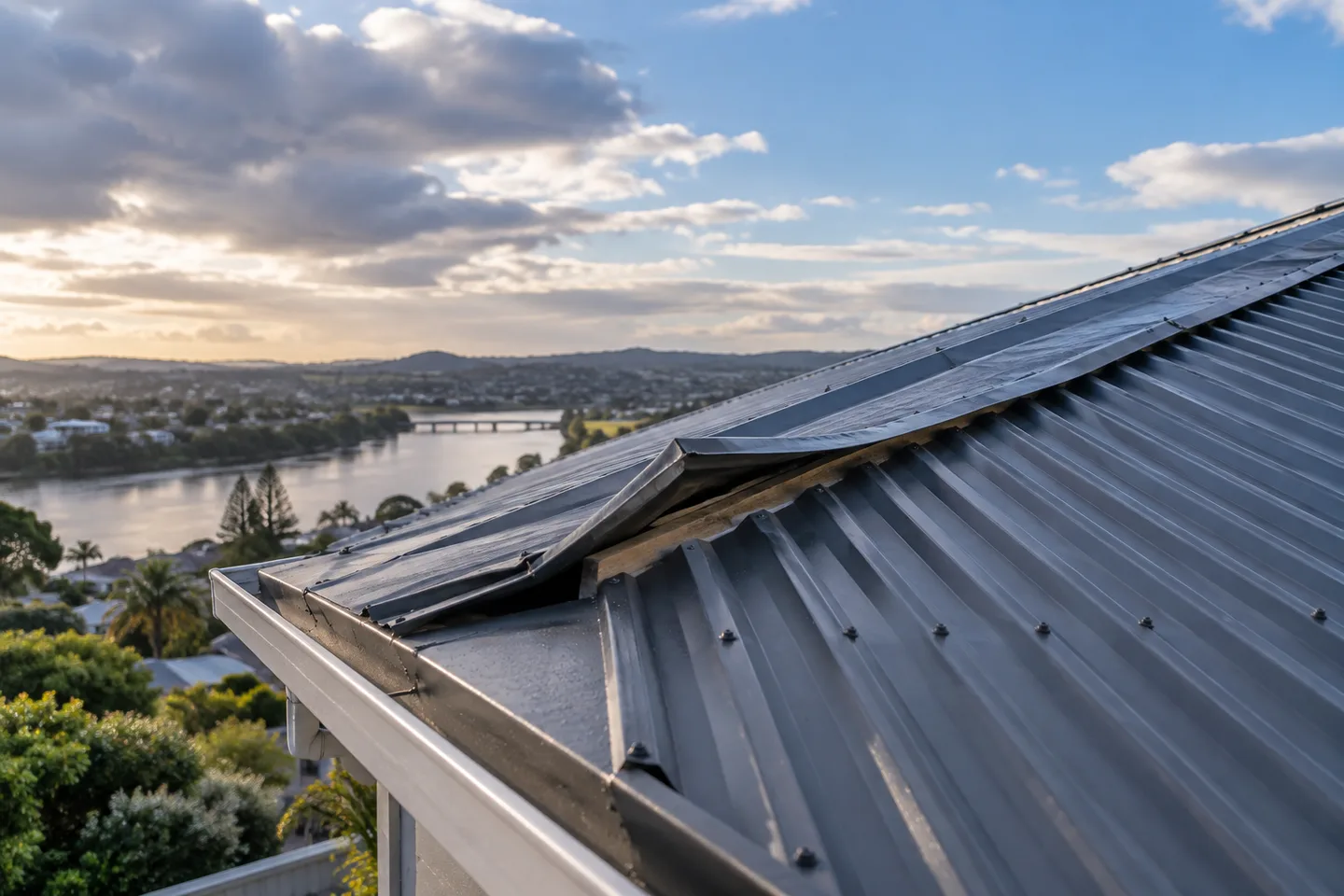
Let’s start with your property
Storm Damage Roof Assessment Whanganui
High wind, hail and heavy rain can lift sheets, crack flashings and drive water into gaps that were previously watertight, sometimes without any obvious damage visible from the ground. Whanganui storm damage roof assessment covers a full post-storm check of your roof's condition, documenting anything found for your own records or for an insurance claim. We look at fixing points, ridge capping, flashings, gutters and downpipes as well as the roofing sheets themselves, since storm damage often shows up first at the edges and junctions rather than across open roof areas. If damage is found, we'll provide a clear report and quote for repair, and can work directly with your insurer where a claim is involved. Getting a roof checked promptly after a significant storm event is worthwhile even if nothing looks obviously wrong, since some damage only becomes a leak weeks later.
A clear scope. The right questions.
A considered next step.
What brought you here?
Why You Need A Storm Damage Roof Assessment Service in Whanganui
Debris impact on roofing
Impact damage breaks the coating and can dent sheets enough to hold water, starting corrosion at the point of contact. Whanganui storm damage roof assessment records it promptly, while the cause is still clearly attributable to the event.New water marks following a storm
Fresh marks after a storm mean the roof's defences were breached, even if nothing looks wrong from the ground. Whanganui storm damage roof assessment finds the breach and documents it while an insurance claim is still straightforward.The detail that matters
Storm Damage Roof Assessment Contractors in Whanganui: How We Work
High wind, hail and heavy rain can lift sheets, crack flashings and drive water into gaps that were previously watertight, sometimes without any obvious damage visible from the ground. Whanganui storm damage roof assessment covers a full post-storm check of your roof's condition, documenting anything found for your own records or for an insurance claim. We look at fixing points, ridge capping, flashings, gutters and downpipes as well as the roofing sheets themselves, since storm damage often shows up first at the edges and junctions rather than across open roof areas. If damage is found, we'll provide a clear report and quote for repair, and can work directly with your insurer where a claim is involved. Getting a roof checked promptly after a significant storm event is worthwhile even if nothing looks obviously wrong, since some damage only becomes a leak weeks later.
Damage photographs
Keep safely taken photographs showing both the damaged area and its surroundings.
Loose components
Identify displaced sheets or flashings for competent assessment before planning permanent repairs.
Surrounding condition
Separate newly reported storm effects from older corrosion or previous patching.
Repair priorities
Ask for a staged list of immediate concerns, investigation needs and proposed permanent work.
Compare the scope
Cosmetic Damage or Structural Concern?
Defined storm damage
Discuss defined storm damage when the assessment supports a defined scope. Ask which adjoining components can remain and how the new work will connect.
Pre-existing deterioration
Consider pre-existing deterioration when the existing condition or project brief needs a wider approach. Confirm access, interfaces and exclusions before accepting the proposal.
What sets us apart
Why Choose Our Whanganui Storm Damage Roof Assessment Experts?
- 01
Documented for your insurer
We record findings with photographs and clear description, so a claim is supported by evidence gathered while the damage is still plainly attributable to the storm event.
- 02
We check beyond the obvious damage
The same wind that moved one flashing has usually loosened others. We assess the whole roof, so nothing is left to become a leak weeks after the event.
- 03
Prompt attendance after the event
Storm damage worsens with every subsequent front. We prioritise post-storm assessments so the building can be made safe before the next system arrives over Whanganui.
- 04
Repair options, clearly priced
Once the damage is recorded you get a clear scope and price, so you can make decisions with your insurer rather than waiting on vague verbal estimates.
What to expect on site
Before Our Whanganui Roofers Start: What Homeowners Should Know
A storm assessment is generally a quick, non-invasive visit, but we'll need clear access to walk the roof safely, so let us know about any recent debris or fallen branches that might need clearing first. We document what we find with photos, which is useful both for our quote and for any insurance claim you may be lodging. If damage is more extensive than expected, we'll flag any urgent temporary protection needed — such as tarping an exposed area — before a full repair is scheduled.
Weather timing matters here too: assessing a roof safely straight after a storm sometimes means waiting for conditions to fully settle, particularly if wind or rain is still active, so we'll confirm the safest time to attend.
Questions about storm damage roof assessment
Frequently Asked Questions
Use these answers to prepare a brief for your property and clarify the proposed work.
What Affects a Roofing Quote?What should I provide for storm damage roof assessment?
Describe a displaced flashing after wind or the change you are planning. Existing reports, approximate age and safe photographs help establish what needs assessment.
What changes the scope of this work?
Damage photographs, Loose components, Surrounding condition, Repair priorities all matter. The condition of adjoining materials and the practical access arrangement can expand or limit the proposed work.
Can this be combined with other roof work?
Ask whether related work can share access or preparation. Keep the components, responsibilities and exclusions itemised so you can compare the combined proposal.
What should a storm damage roof assessment quote include?
Damage photographs: Keep safely taken photographs showing both the damaged area and its surroundings. Loose components: Identify displaced sheets or flashings for competent assessment before planning permanent repairs. Surrounding condition: Separate newly reported storm effects from older corrosion or previous patching. Repair priorities: Ask for a staged list of immediate concerns, investigation needs and proposed permanent work.
What options should I discuss before choosing the work?
Defined storm damage: Discuss defined storm damage when the assessment supports a defined scope. Ask which adjoining components can remain and how the new work will connect. Pre-existing deterioration: Consider pre-existing deterioration when the existing condition or project brief needs a wider approach. Confirm access, interfaces and exclusions before accepting the proposal.
What should I plan for before work begins?
For storm damage roof assessment, discuss surrounding condition and repair priorities early. Access, weather and adjoining building work can affect the sequence. Confirm material availability and how unexpected conditions will be priced before work starts.
Connected to storm damage roof assessment
Other Roofing Services in Whanganui
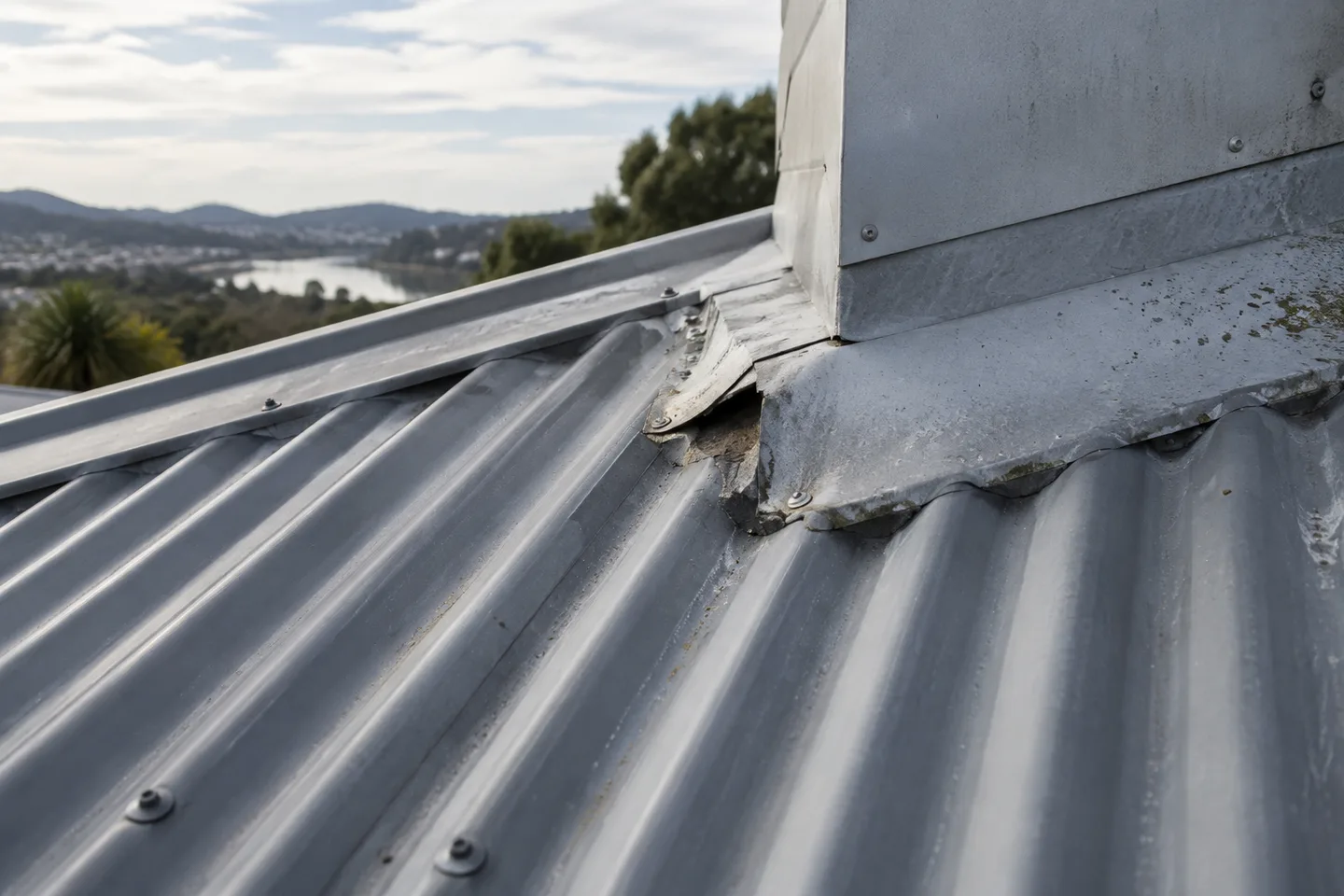
Roof Repairs
Understand leaks, damaged sheets and tired junctions before choosing a targeted repair.
View service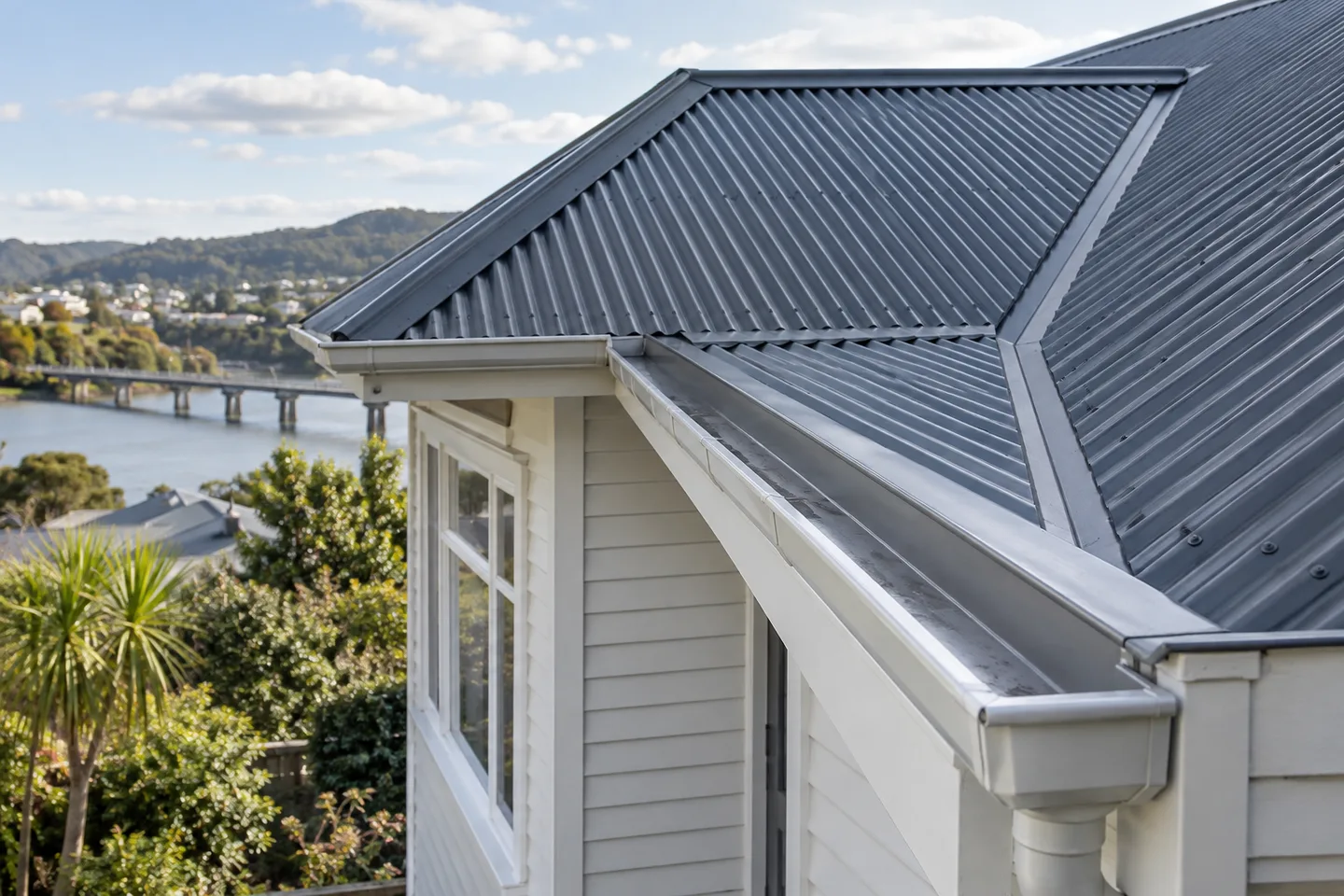
Roof Inspections & Maintenance
Build a practical picture of roof condition and prioritise maintenance before committing to major work.
View service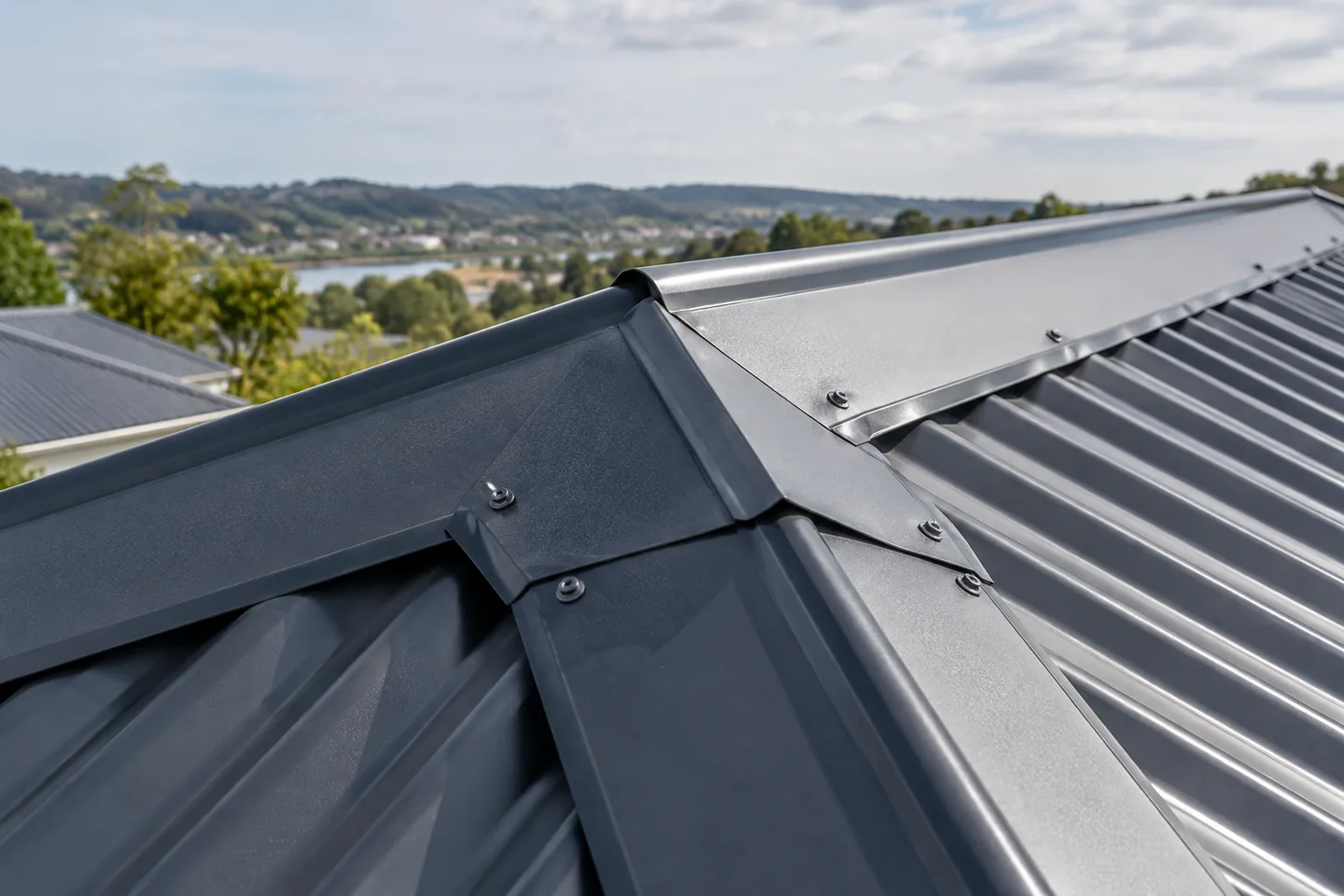
Flashings & Ridge Repairs
Focus on the junctions that keep roof edges, ridges and penetrations weather-resistant.
View serviceYour home. The next chapter.
Let’s get your roof right.
Start with your suburb, your roof concerns and what you want to achieve.