Roof junctions
Whanganui Roof Underlay Replacement
Roof Underlay Replacement in Whanganui: underlay work needs coordination with cladding removal and the condition of the roof structure.
06 880 1066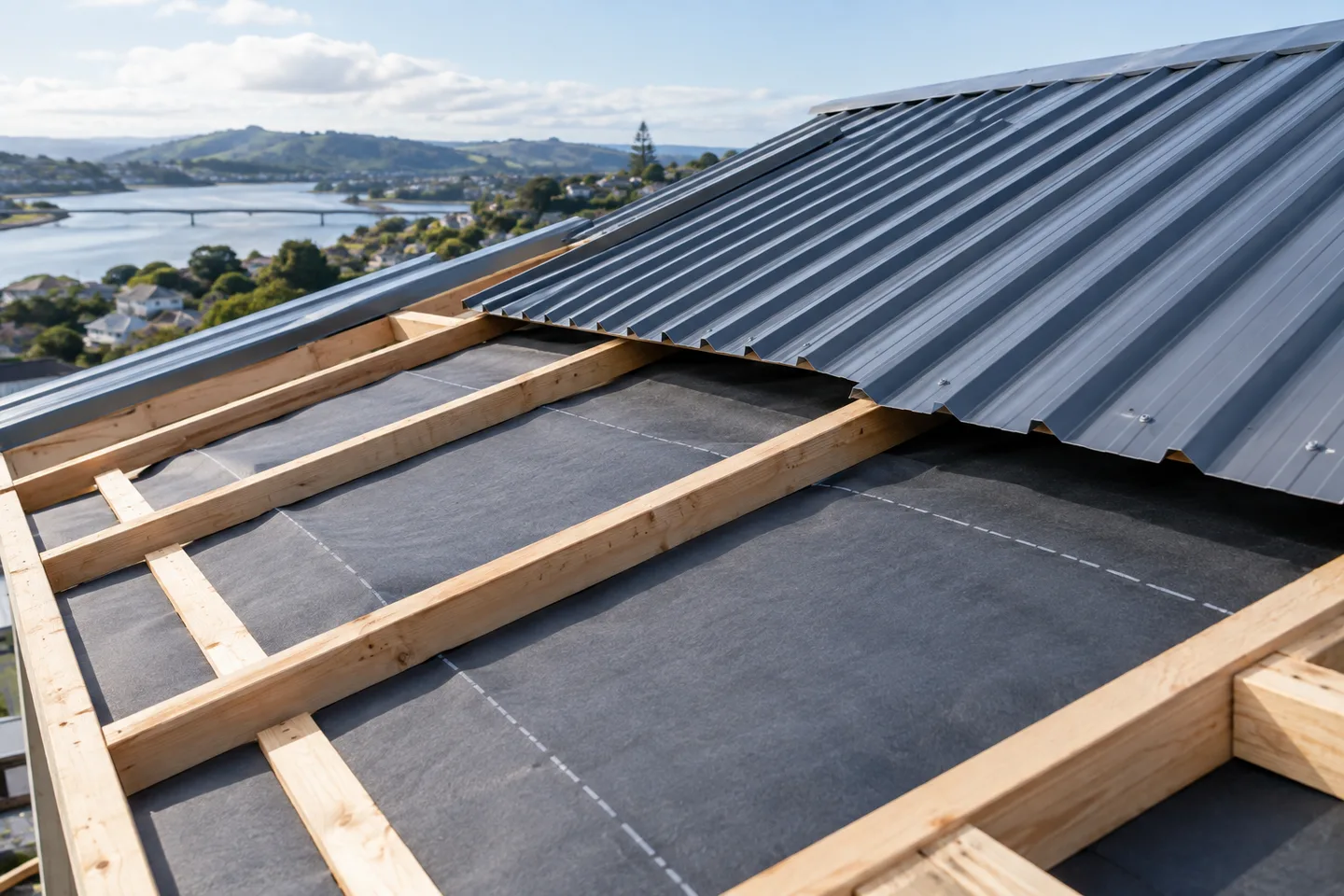
Let’s start with your property
Roof Underlay Replacement Whanganui
Underlay sits beneath your roofing material as a secondary weather barrier, and once it's deteriorated, torn or sagging, the roof loses a layer of protection even if the visible sheets look fine. Whanganui roof underlay replacement covers removing and replacing failed underlay, typically carried out as part of a full re-roof since accessing underlay usually means lifting the roofing material above it. We check purlins and structural timber for any related moisture damage while underlay is exposed, since a failed underlay often means some moisture has already reached the framing below. Signs of underlay failure include visible sagging from underneath in the roof space, or condensation and moisture marks that don't correspond to any obvious leak in the roofing above. Replacing underlay as part of a re-roof, rather than skipping it to save cost, is one of the details that most affects a new roof's long-term performance.
A clear scope. The right questions.
A considered next step.
What brought you here?
Why You Need A Roof Underlay Replacement Service in Whanganui
A re-roof being specified
A re-roof is the only practical opportunity to replace underlay, since reaching it later means removing the new roof. Whanganui roof underlay replacement is included at that stage so the new roof performs for its full service life.Questions about concealed roof layers
What sits beneath the roofing decides how the roof handles condensation and incidental moisture, yet it's invisible from both sides. Whanganui roof underlay replacement resolves those questions while the layers are open and can be assessed.The detail that matters
Roof Underlay Replacement Contractors in Whanganui: How We Work
Underlay sits beneath your roofing material as a secondary weather barrier, and once it's deteriorated, torn or sagging, the roof loses a layer of protection even if the visible sheets look fine. Whanganui roof underlay replacement covers removing and replacing failed underlay, typically carried out as part of a full re-roof since accessing underlay usually means lifting the roofing material above it. We check purlins and structural timber for any related moisture damage while underlay is exposed, since a failed underlay often means some moisture has already reached the framing below. Signs of underlay failure include visible sagging from underneath in the roof space, or condensation and moisture marks that don't correspond to any obvious leak in the roofing above. Replacing underlay as part of a re-roof, rather than skipping it to save cost, is one of the details that most affects a new roof's long-term performance.
Existing build-up
Record the known roof layers and the limits of what can be seen before cladding removal.
Access through cladding
Agree which roof areas must be opened and how they will be protected during the work.
Compatible underlay
Have the proposed underlay checked against the roof design and selected cladding system.
Junction continuity
Include penetrations, edges and adjoining retained underlay in the installation scope.
Compare the scope
Isolated Damage or Full Underlay Replacement?
Underlay during re-roofing
Discuss underlay during re-roofing when the assessment supports a defined scope. Ask which adjoining components can remain and how the new work will connect.
Defined opening-up work
Consider defined opening-up work when the existing condition or project brief needs a wider approach. Confirm access, interfaces and exclusions before accepting the proposal.
What sets us apart
Why Choose Our Whanganui Roof Underlay Replacement Experts?
- 01
Done at the only sensible time
Underlay can only be reached by lifting the roofing above it. We replace it during a re-roof, so you're not removing a new roof to reach it later.
- 02
Framing inspected while open
With layers exposed, we check purlins and structural timber for moisture damage. Problems get found and resolved while everything is accessible rather than sealed in for years.
- 03
A genuine second line of defence
Underlay is what protects your ceiling when the roof is breached. Replacing it properly is one of the details that most affects how a new roof performs long term.
- 04
Specified for condensation control
How the roof handles moisture depends on the underlay and the build-up around it. We specify for your roof's construction rather than fitting a default product.
What to expect on site
Before Our Whanganui Roofers Start: What Homeowners Should Know
Underlay replacement is generally carried out as part of a wider re-roof, so expect the disruption and access requirements to match whatever roofing work it's bundled with, rather than being a standalone quick visit. We'll confirm which sections of roof will have material lifted to access the underlay beneath, and flag any purlin or framing checks we'll do once it's exposed. Noise and access needs mirror the accompanying roofing work.
Because underlay is a secondary weather barrier, we're cautious about leaving a section exposed once the roofing above is lifted, so we sequence this work carefully and avoid starting it if rain is forecast before we can get the roofing back in place.
Questions about roof underlay replacement
Frequently Asked Questions
Use these answers to prepare a brief for your property and clarify the proposed work.
What Affects a Roofing Quote?What should I provide for roof underlay replacement?
Describe damaged underlay discovered during work or the change you are planning. Existing reports, approximate age and safe photographs help establish what needs assessment.
What changes the scope of this work?
Existing build-up, Access through cladding, Compatible underlay, Junction continuity all matter. The condition of adjoining materials and the practical access arrangement can expand or limit the proposed work.
Can this be combined with other roof work?
Ask whether related work can share access or preparation. Keep the components, responsibilities and exclusions itemised so you can compare the combined proposal.
What should a roof underlay replacement quote include?
Existing build-up: Record the known roof layers and the limits of what can be seen before cladding removal. Access through cladding: Agree which roof areas must be opened and how they will be protected during the work. Compatible underlay: Have the proposed underlay checked against the roof design and selected cladding system. Junction continuity: Include penetrations, edges and adjoining retained underlay in the installation scope.
What options should I discuss before choosing the work?
Underlay during re-roofing: Discuss underlay during re-roofing when the assessment supports a defined scope. Ask which adjoining components can remain and how the new work will connect. Defined opening-up work: Consider defined opening-up work when the existing condition or project brief needs a wider approach. Confirm access, interfaces and exclusions before accepting the proposal.
What should I plan for before work begins?
For roof underlay replacement, discuss compatible underlay and junction continuity early. Access, weather and adjoining building work can affect the sequence. Confirm material availability and how unexpected conditions will be priced before work starts.
Connected to roof underlay replacement
Other Roofing Services in Whanganui
Roof Repairs
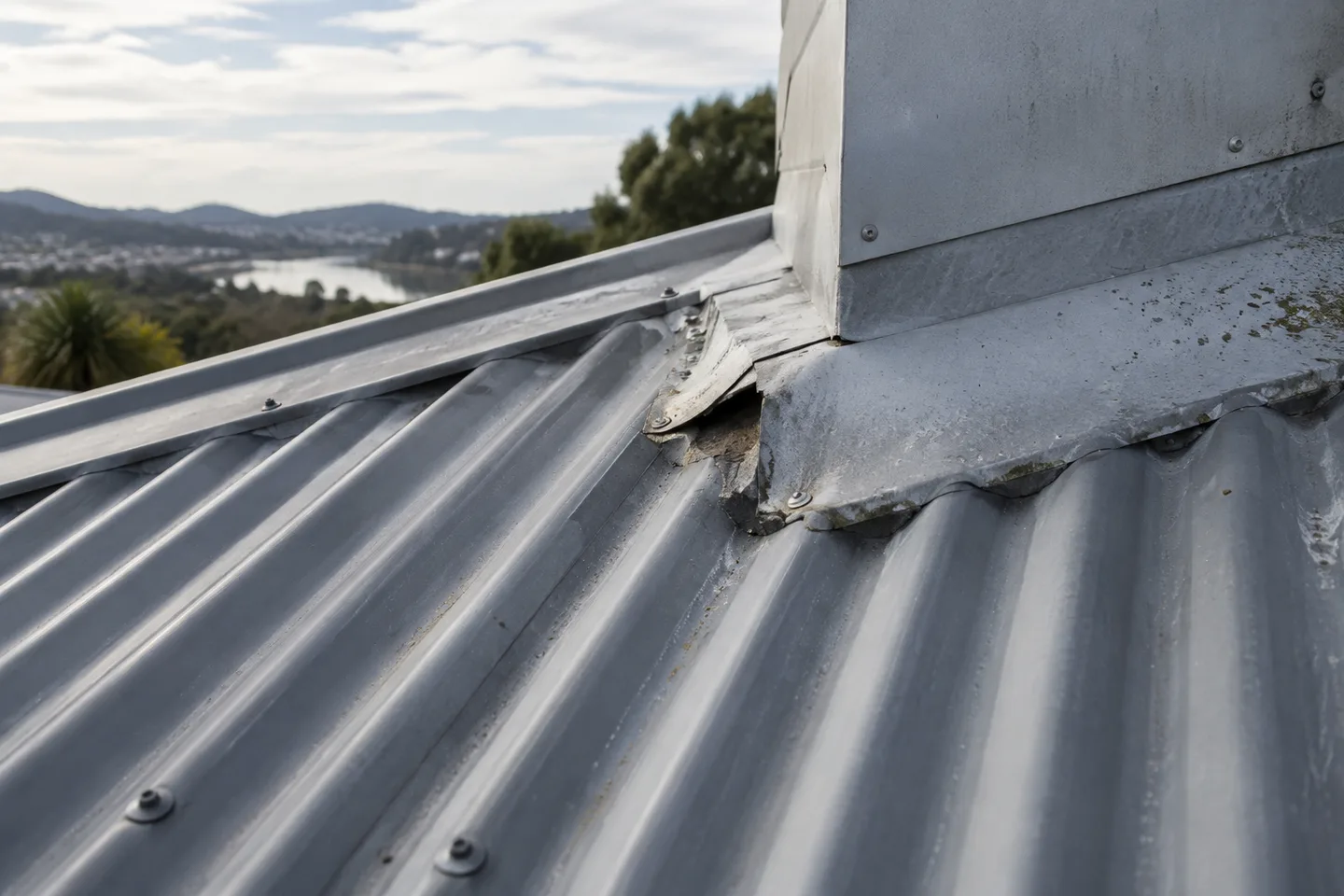
Understand leaks, damaged sheets and tired junctions before choosing a targeted repair.
View service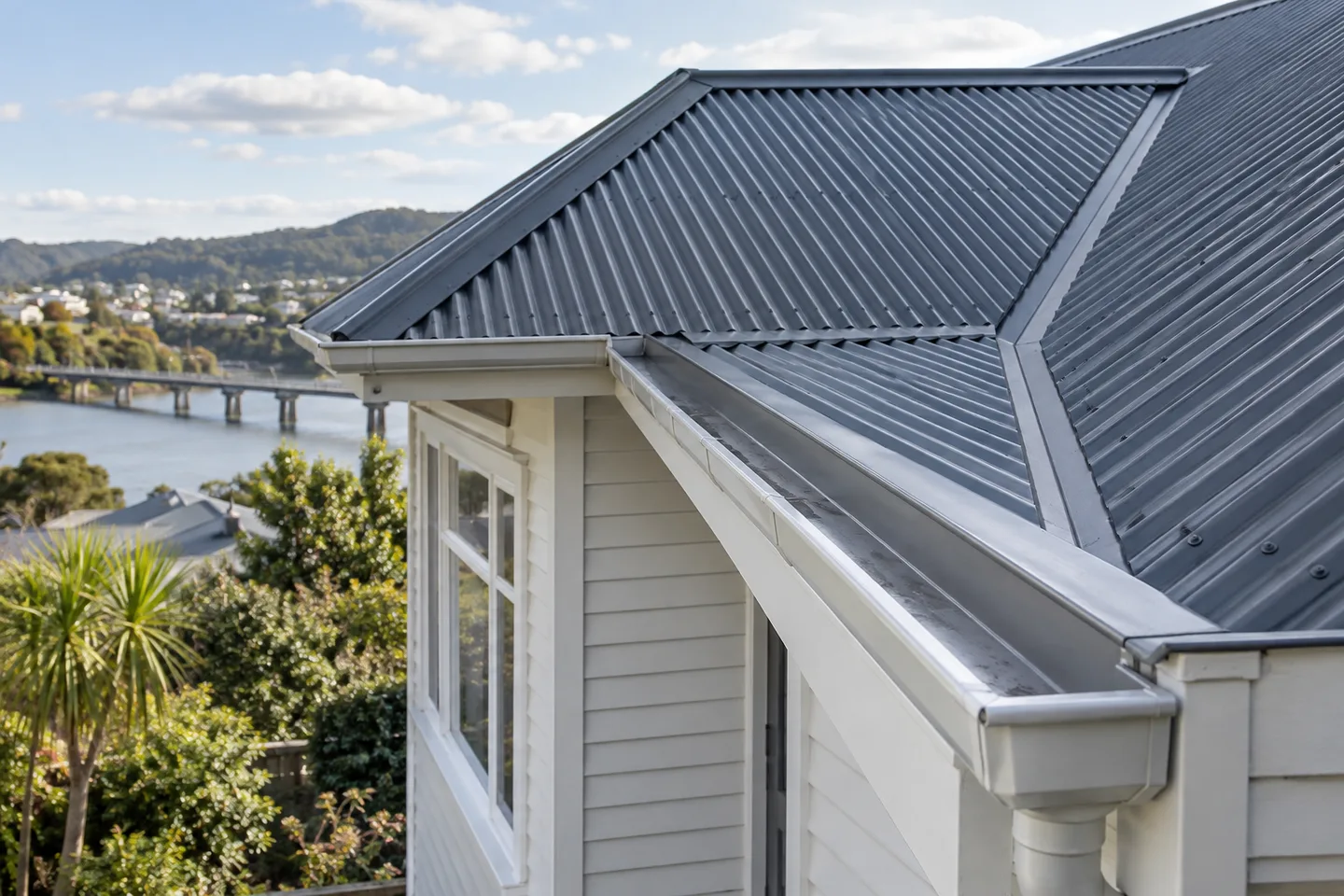
Roof Inspections & Maintenance
Build a practical picture of roof condition and prioritise maintenance before committing to major work.
View service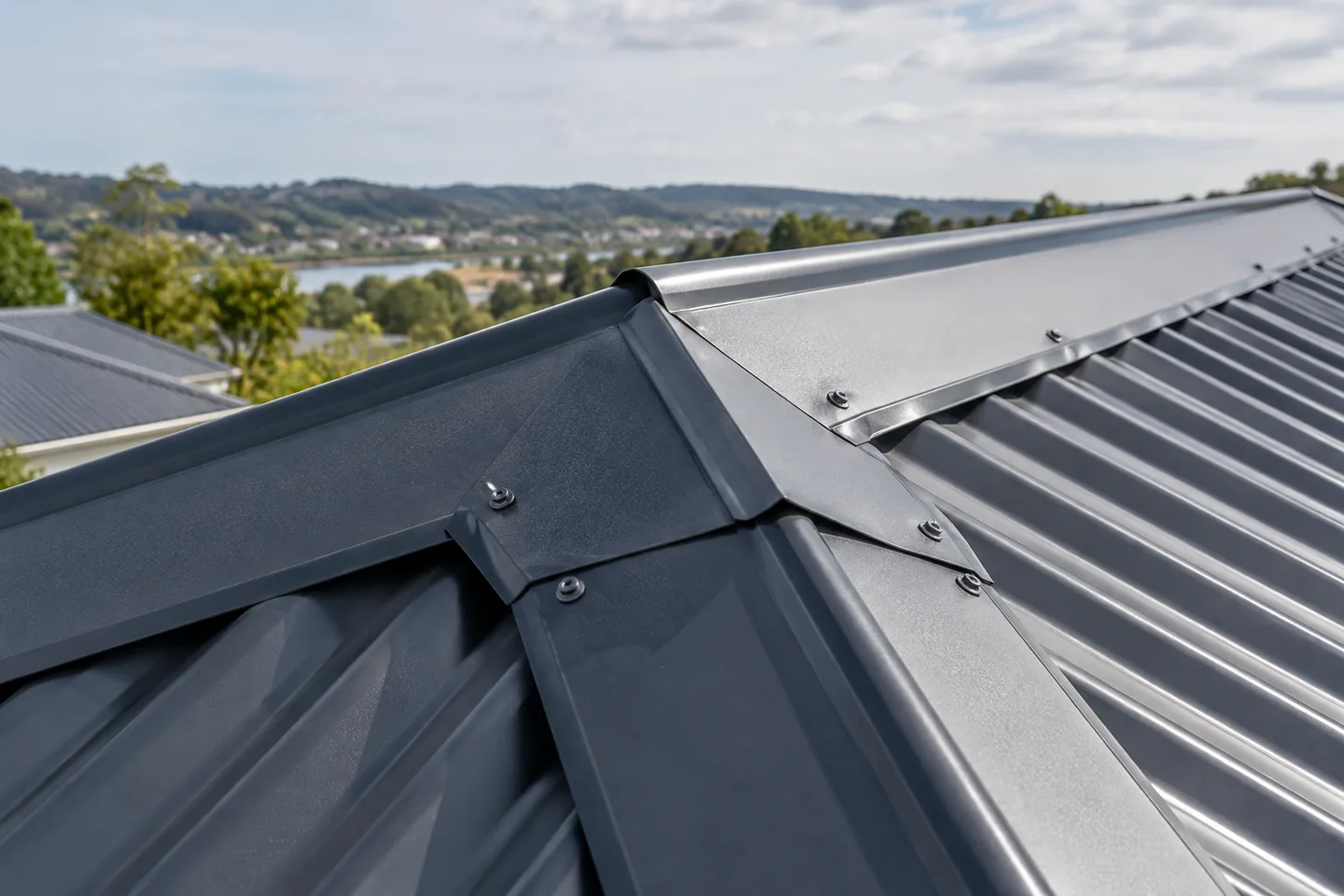
Flashings & Ridge Repairs
Focus on the junctions that keep roof edges, ridges and penetrations weather-resistant.
View serviceYour home. The next chapter.
Let’s get your roof right.
Start with your suburb, your roof concerns and what you want to achieve.