Build & renew
Whanganui Shed Roofing
Shed Roofing in Whanganui: small roofs deserve the same attention to laps, edges and water discharge as larger buildings.
06 880 1066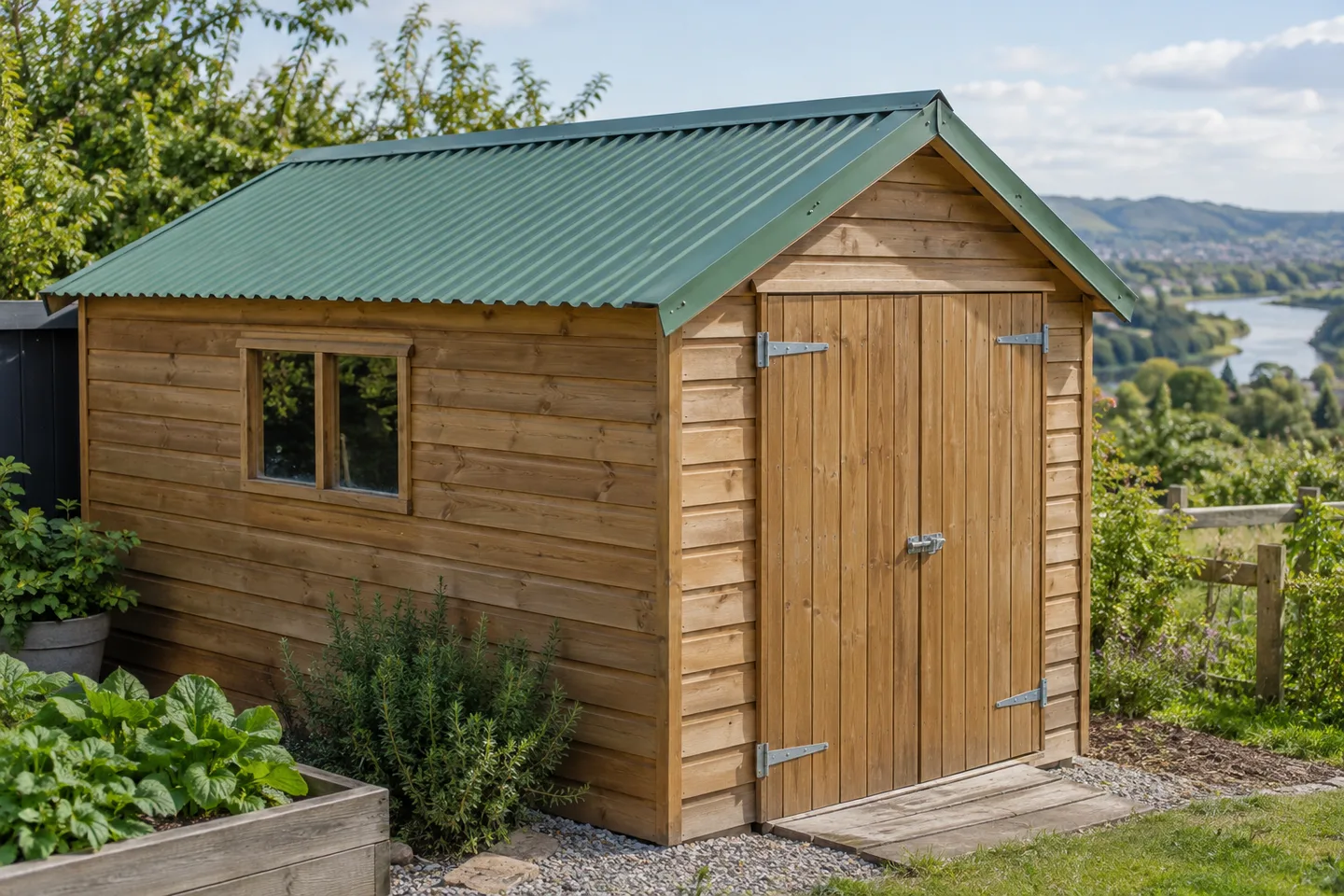
Let’s start with your property
Shed Roofing Whanganui
Sheds and outbuildings don't need architectural flourishes, but they do need a roof that keeps stored gear, tools or stock genuinely dry through a Whanganui winter. Whanganui shed roofing covers everything from small backyard sheds to larger rural and farm outbuildings, using durable, cost-effective profiles like corrugated or standard long-run steel. We size fixings and purlin spacing to the shed's span and roof pitch, and get flashing details right around any skylights, vents or lean-to additions that are common on working sheds. For rural properties, we also account for stock dust, chemical exposure or higher wind loading where the shed sits more exposed than a suburban section. Whether it's a straightforward reroof on an ageing shed or roofing for a brand-new build, we keep the spec practical and the price sensible for what the structure actually needs.
A clear scope. The right questions.
A considered next step.
What brought you here?
Why You Need A Shed Roofing Service in Whanganui
A tired shed roof edge
Edges and verges corrode first, and once the perimeter fails wind gets under the sheets and lifts them progressively. Whanganui shed roofing renews the edge details and fixings before a tired roof becomes an emergency in the next storm.A new garden storage building
A storage building only earns its cost if what is inside stays genuinely dry through a Whanganui winter. Whanganui shed roofing specifies pitch, purlin spacing and flashings for the actual span, rather than a generic kit-set approach.The detail that matters
Shed Roofing Contractors in Whanganui: How We Work
Sheds and outbuildings don't need architectural flourishes, but they do need a roof that keeps stored gear, tools or stock genuinely dry through a Whanganui winter. Whanganui shed roofing covers everything from small backyard sheds to larger rural and farm outbuildings, using durable, cost-effective profiles like corrugated or standard long-run steel. We size fixings and purlin spacing to the shed's span and roof pitch, and get flashing details right around any skylights, vents or lean-to additions that are common on working sheds. For rural properties, we also account for stock dust, chemical exposure or higher wind loading where the shed sits more exposed than a suburban section. Whether it's a straightforward reroof on an ageing shed or roofing for a brand-new build, we keep the spec practical and the price sensible for what the structure actually needs.
Sheet condition
Check whether damage affects one sheet or the wider covering before choosing a repair.
Support spacing
Confirm that the roof support arrangement is suitable for the selected sheet system.
Verge finish
Include roof edges and corners in the quote, rather than pricing sheets alone.
Gutter provision
Discuss whether gutters are required and where collected water should discharge.
Compare the scope
Budget Corrugated or Standard Long-Run for Your Shed?
Renew the covering
Discuss renew the covering when the assessment supports a defined scope. Ask which adjoining components can remain and how the new work will connect.
Roof a new shed
Consider roof a new shed when the existing condition or project brief needs a wider approach. Confirm access, interfaces and exclusions before accepting the proposal.
What sets us apart
Why Choose Our Whanganui Shed Roofing Experts?
- 01
Practical specification, sensible price
Sheds need a roof that works, not one that's over-engineered. We specify purlin spacing, fixings and profile for the actual span, keeping the cost proportionate to the building.
- 02
Edges and verges properly detailed
Shed roofs usually fail at the perimeter first, where wind gets underneath. We renew those edge details and fixings, which is what stops a tired roof lifting in a storm.
- 03
Rural conditions accounted for
Exposed sites, stock dust and chemical storage all shorten roof life. We select materials and coatings for how the building is genuinely used, not for a suburban backyard shed.
- 04
Your contents genuinely stay dry
A storage building only earns its cost if tools, feed and equipment survive a Whanganui winter. We build to that standard rather than to a kit-set assumption.
What to expect on site
Before Our Whanganui Roofers Start: What Homeowners Should Know
Shed roofing is usually one of our more contained jobs, but if the shed is close to the house or a boundary fence, expect some noise and material movement nearby for the duration. We'll confirm vehicle or equipment access needed to get materials to the shed, particularly on rural properties where the shed might sit some distance from the driveway. If the shed is currently used for storage, let us know so we can plan work around keeping contents protected from dust or debris.
Weather has less impact on smaller shed jobs than larger roofs, since the exposed roof area and timeframe are both smaller, but we'll still confirm timing around any forecast heavy rain before starting.
Questions about shed roofing
Frequently Asked Questions
Use these answers to prepare a brief for your property and clarify the proposed work.
Comparing Roofing MaterialsWhat should I provide for shed roofing?
Describe rust above tools and equipment or the change you are planning. Existing reports, approximate age and safe photographs help establish what needs assessment.
What changes the scope of this work?
Sheet condition, Support spacing, Verge finish, Gutter provision all matter. The condition of adjoining materials and the practical access arrangement can expand or limit the proposed work.
Can this be combined with other roof work?
Ask whether related work can share access or preparation. Keep the components, responsibilities and exclusions itemised so you can compare the combined proposal.
What should a shed roofing quote include?
Sheet condition: Check whether damage affects one sheet or the wider covering before choosing a repair. Support spacing: Confirm that the roof support arrangement is suitable for the selected sheet system. Verge finish: Include roof edges and corners in the quote, rather than pricing sheets alone. Gutter provision: Discuss whether gutters are required and where collected water should discharge.
What options should I discuss before choosing the work?
Renew the covering: Discuss renew the covering when the assessment supports a defined scope. Ask which adjoining components can remain and how the new work will connect. Roof a new shed: Consider roof a new shed when the existing condition or project brief needs a wider approach. Confirm access, interfaces and exclusions before accepting the proposal.
What should I plan for before work begins?
For shed roofing, discuss verge finish and gutter provision early. Access, weather and adjoining building work can affect the sequence. Confirm material availability and how unexpected conditions will be priced before work starts.
Connected to shed roofing
Other Roofing Services in Whanganui
Roof Replacement
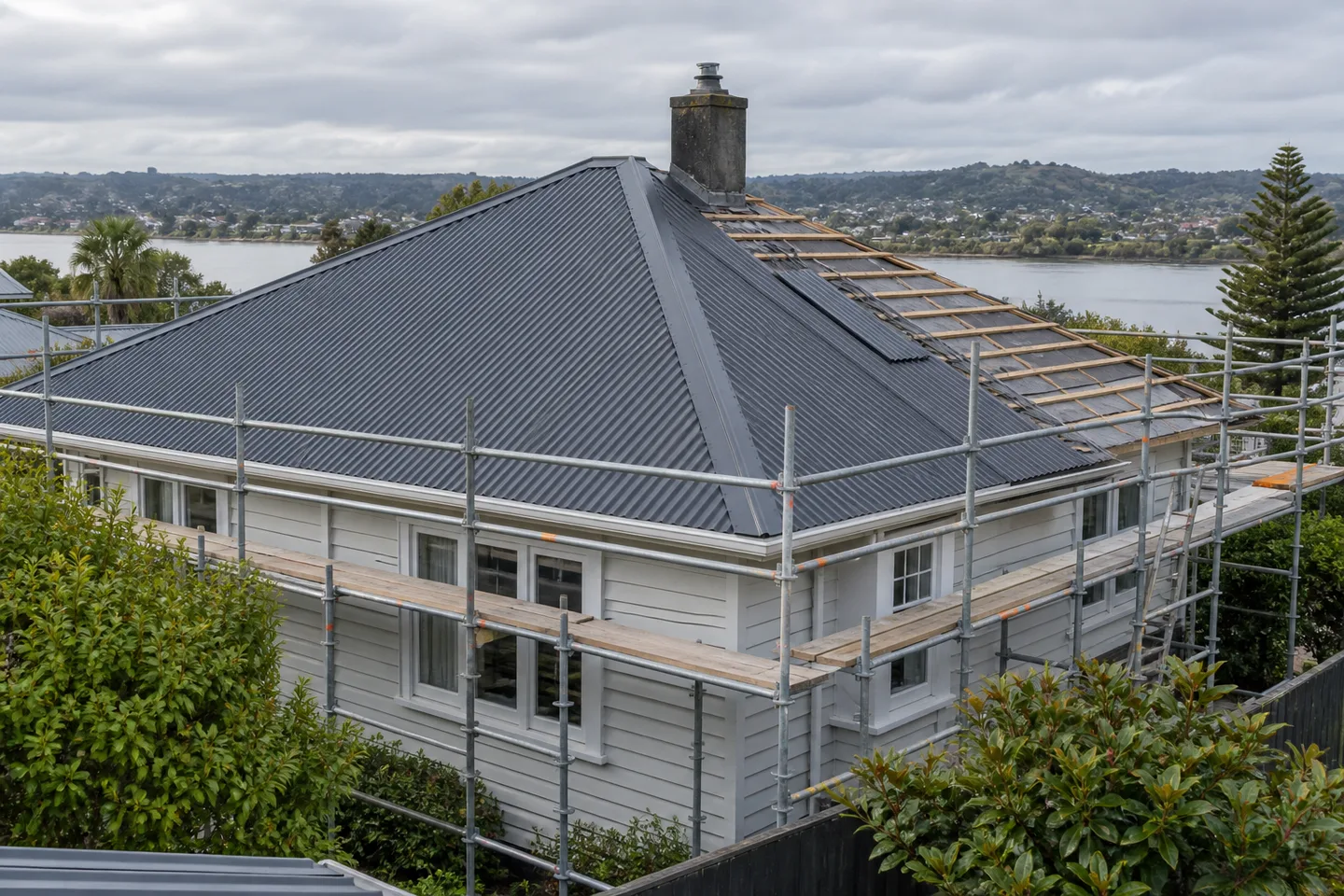
Plan a re-roof around the condition of your existing roof, the right materials and everyday life at home.
View service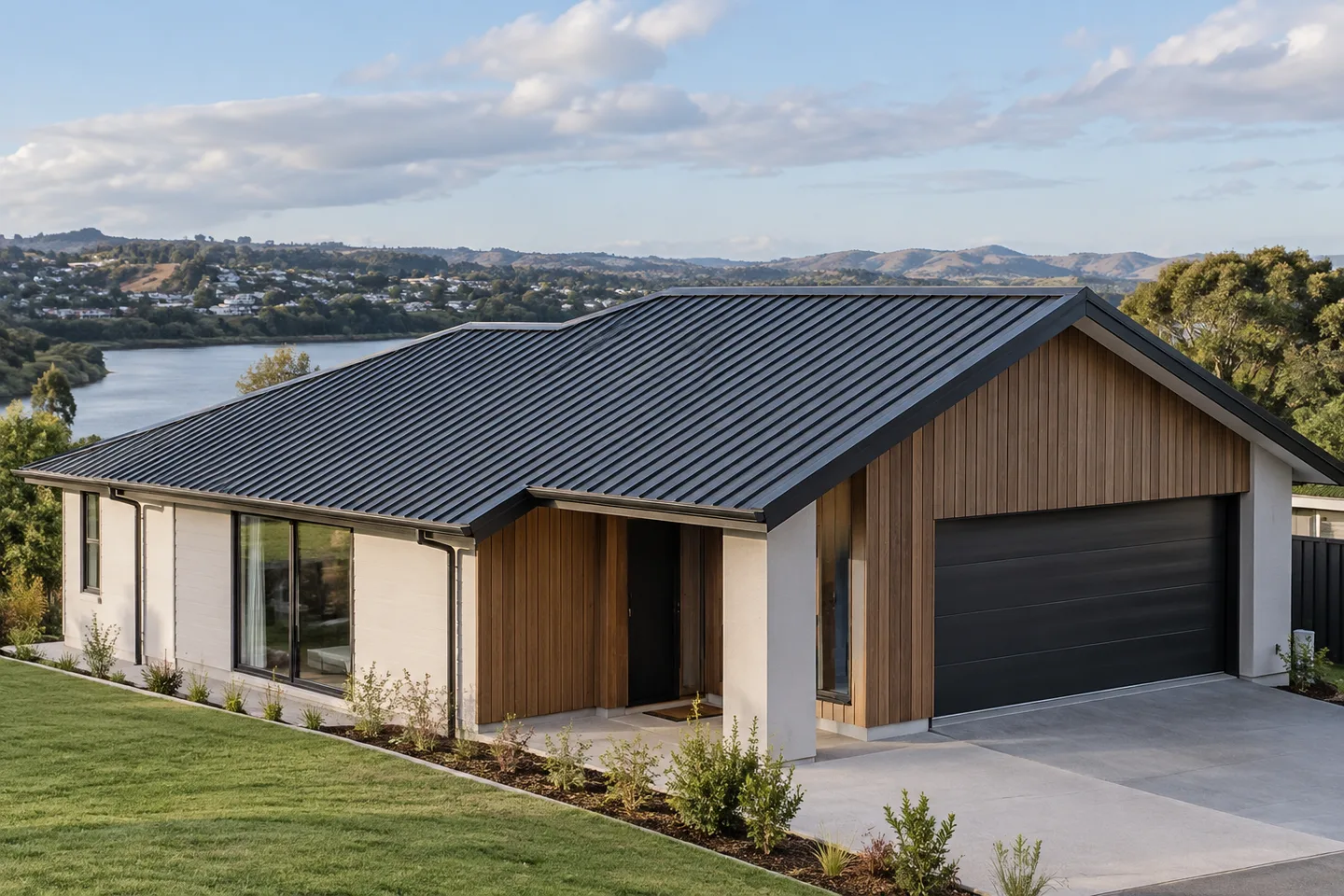
New Roof Installation
Coordinate the roof specification, structure and installation sequence with your new build.
View service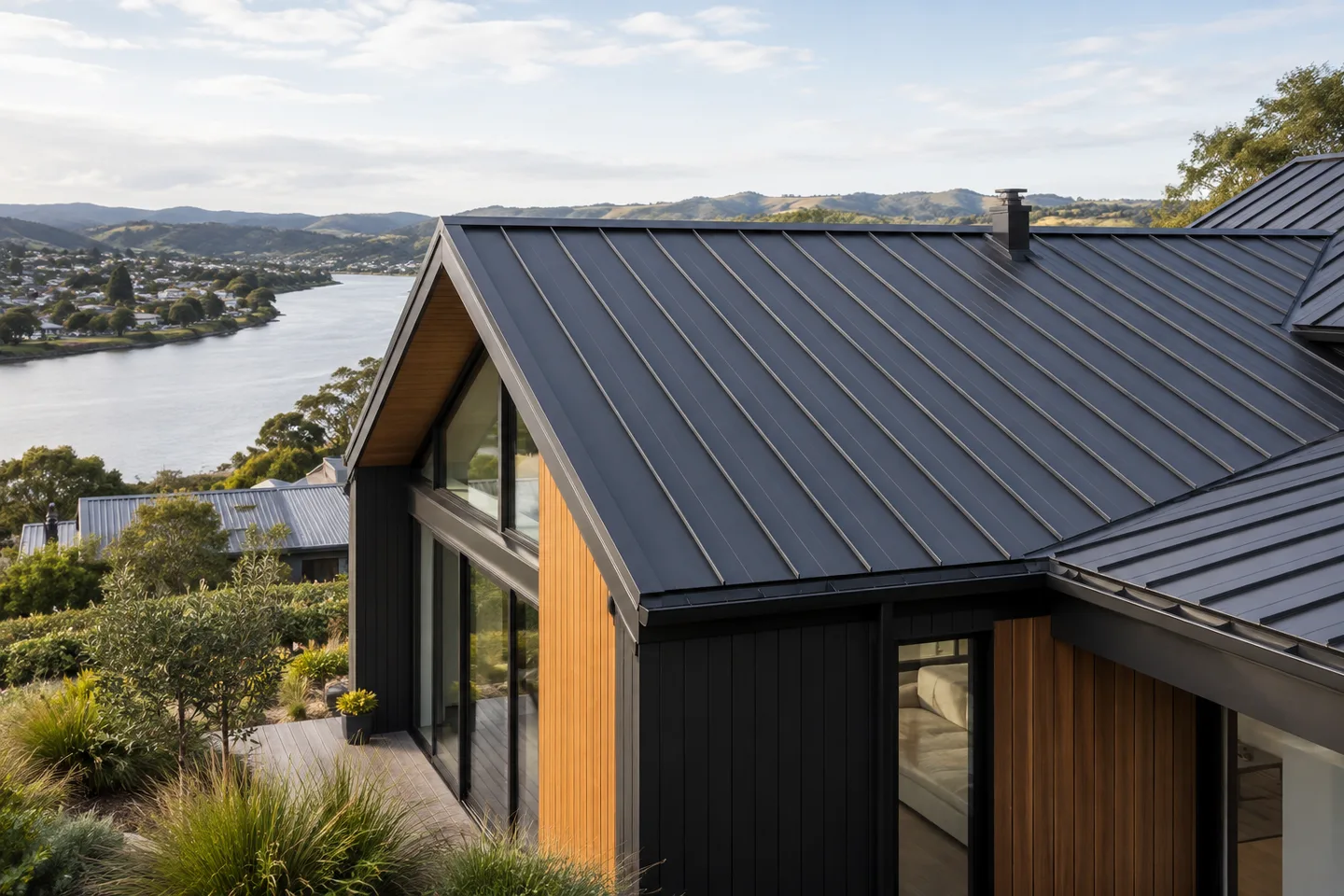
Long-Run Metal Roofing
Compare profiles, coatings and roof details for a considered metal roofing specification.
View serviceYour home. The next chapter.
Let’s get your roof right.
Start with your suburb, your roof concerns and what you want to achieve.