Care & repairs
Whanganui Guide: Maintaining Gutters & Downpipes
Follow the rainwater path and recognise when cleaning alone may not solve the problem.
06 880 1066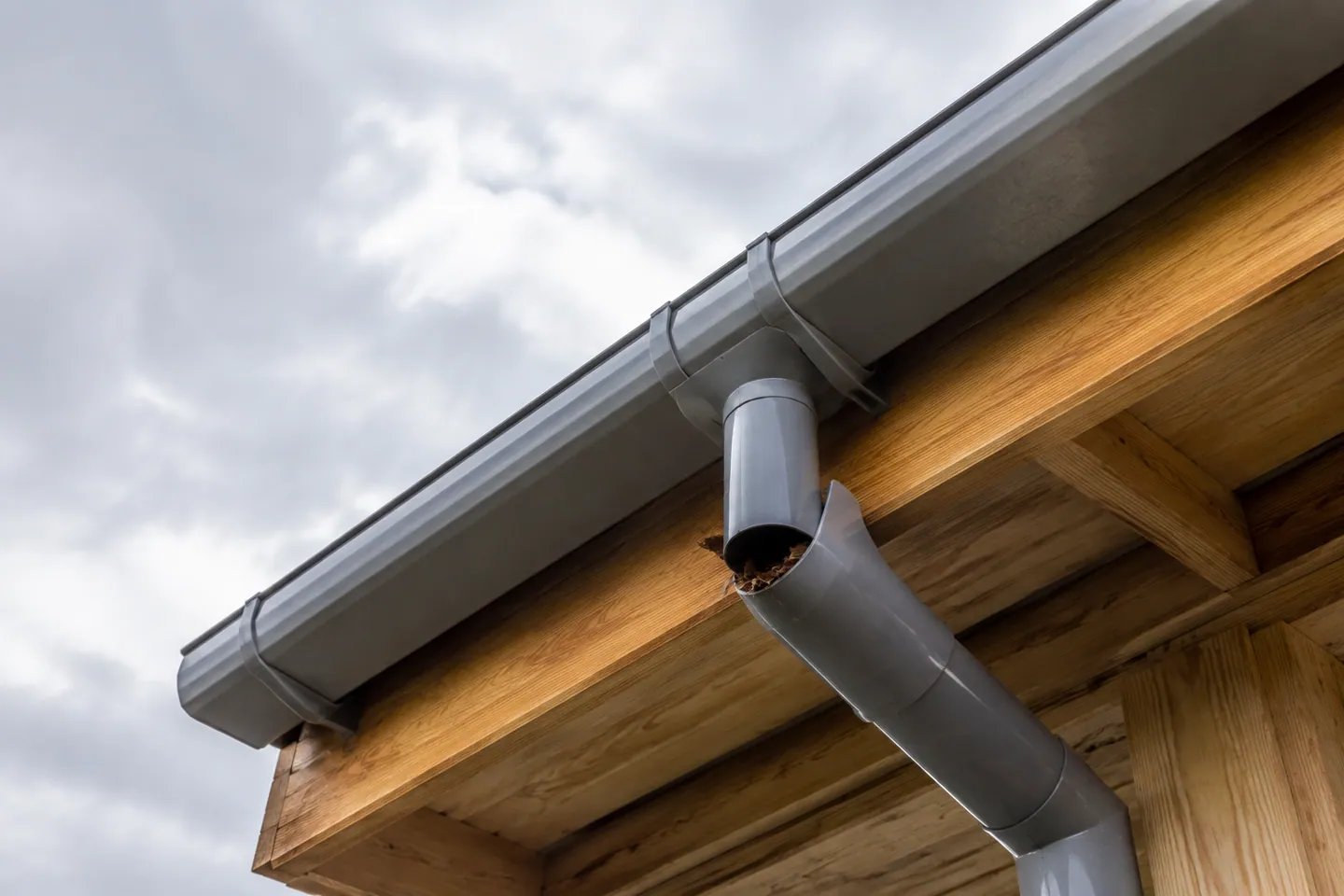
Let’s start with your property
Start with the right question.
Roof drainage works as a connected route. Debris removal, gutter condition, outlets and downstream connections all deserve attention when water overflows.
When maintaining gutters and downpipes, understanding the connected spouting system helps distinguish routine care from work that needs assessment.
A clear scope. The right questions.
A considered next step.
01 /
Observe safely during rain
From a safe ground-level position, note which gutter sections overflow and whether water escapes at a joint or outlet. Avoid standing below loose components or using ladders in poor conditions.
02 /
Separate debris from damage
A clear gutter can still overflow if it has poor falls, damaged joints or a restricted outlet. Repeated problems after cleaning justify a broader assessment rather than simply more frequent clearing.
03 /
Include the fascia and supports
Look for staining, sagging runs or loose brackets from the ground. The supporting fascia may need attention before replacement gutters are fitted. Avoid assuming cosmetic repainting resolves underlying damage.
04 /
Follow the downpipe destination
Tell the assessor about tanks and visible drainage connections. Blockages or unsuitable connections beyond the downpipe may need a drainlayer; agree who will investigate that part of the system.
05 /
Choose a maintainable arrangement
Ask for product-specific cleaning guidance and a safe access plan. Trees and roof geometry can influence debris collection, but care requirements should be based on the individual property.
- Clear access to outlets
- Compatible components
- Accessible inspection points
- A record of recurring overflow
Keep the next step informed
A few final questions.
Explore spouting & downpipesSources checked 7 September 2026WorkSafe: working at heightWorkSafe: check for asbestos before roof cleaning
General planning information. Product and site-specific requirements should be checked for the actual work.
Do gutter guards remove the need for care?
Do not assume so. Ask about the selected system’s maintenance requirements and access to inspect beneath it.
Can I pressure wash old roof debris away?
Avoid disturbing suspect older roofing. WorkSafe warns about asbestos risks from high-pressure roof cleaning.
Where should I start when applying this guide to my property?
From a safe ground-level position, note which gutter sections overflow and whether water escapes at a joint or outlet. Avoid standing below loose components or using ladders in poor conditions.
What details should I discuss with the contractor?
A clear gutter can still overflow if it has poor falls, damaged joints or a restricted outlet. Repeated problems after cleaning justify a broader assessment rather than simply more frequent clearing.
What else should I consider before deciding on the work?
Look for staining, sagging runs or loose brackets from the ground. The supporting fascia may need attention before replacement gutters are fitted. Avoid assuming cosmetic repainting resolves underlying damage.
What should I include in my project checklist?
Ask for product-specific cleaning guidance and a safe access plan. Trees and roof geometry can influence debris collection, but care requirements should be based on the individual property. Clear access to outlets Compatible components Accessible inspection points A record of recurring overflow
Your home. The next chapter.
Let’s get your roof right.
Start with your suburb, your roof concerns and what you want to achieve.