Building-use review
Identify occupied areas, sensitive equipment and access restrictions.
Business premises
Plan roof work around building operations, access, roof-mounted equipment and the agreed maintenance scope.
06 880 1066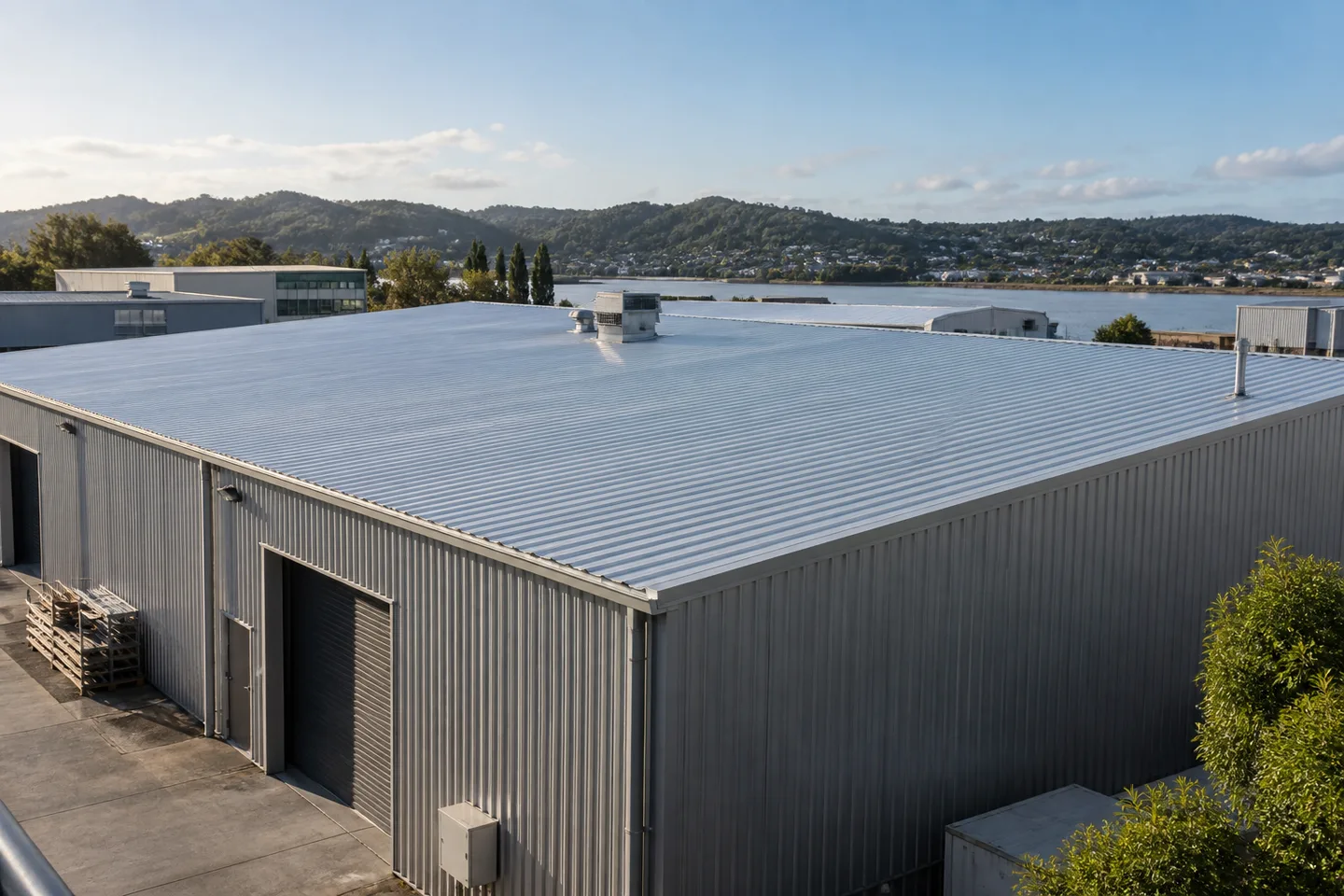
Let’s start with your property
Commercial roofs generally cover larger, often flatter areas than residential roofs, and they need to be specified for the building's actual use — foot traffic, plant equipment, or heavy rainfall loading. Whanganui commercial roofing covers new installation, replacement and ongoing maintenance for retail, office and mixed-use commercial buildings across the district. We work around business operating hours and access requirements, since disruption to trading or staff access is usually a bigger concern for commercial clients than it is on a residential job. Material and system choice depends heavily on the roof's pitch, size and loading requirements, and we'll specify accordingly rather than defaulting to a standard residential approach scaled up. Whether it's a single retail unit or a larger commercial building, we handle the compliance, documentation and scheduling that commercial projects typically require.
A clear scope. The right questions.
A considered next step.
Is this your starting point?
Leaks affecting workspaces or stored goodsOn a commercial building a roof leak costs stock, downtime and tenant goodwill as well as repairs. Whanganui commercial roofing addresses the underlying cause and stages the work around trading hours, so the disruption to your business stays contained.
Ageing sheets or rooflights needing assessmentRooflights and ageing sheets become fragile before they look dangerous, creating both a leak risk and a genuine safety hazard. Whanganui commercial roofing assesses their condition properly, so access, repair and replacement decisions are made on evidence rather than appearance.
A planned building refurbishmentRefurbishment is the one point where roof work can be done without a second round of disruption to tenants and operations. Whanganui commercial roofing coordinates the roof scope with the wider programme, rather than leaving it to be revisited later.
Maintenance records that do not explain recurring problemsWhen the paperwork doesn't account for repeat leaks, the underlying fault has never been identified. Whanganui commercial roofing investigates the roof as a complete system, so you stop funding repairs that keep addressing symptoms in the same place.
A closer look at the scope
Identify occupied areas, sensitive equipment and access restrictions.
Assess visible cladding, penetrations, rooflights and drainage.
Separate roofing from mechanical, electrical and specialist membrane work.
Agree isolation areas, weather protection and communications.
Your options
A prioritised programme can address defined defects and record remaining risks.
Discuss whether the roof layout allows work to be divided without creating unsuitable temporary junctions.
Reasons to choose us
Roof work should not cost you business. Access, noise and exclusion zones are staged around operating hours, so staff, tenants and customers stay productive throughout the project.
Foot traffic, rooftop plant and rainfall loading all change what a commercial roof needs. We specify for how the building is actually used rather than scaling up a domestic approach.
You receive the records, product information and inspection detail that insurance, compliance and building maintenance obligations require, rather than an invoice and a verbal assurance that it's finished.
Tenants, owners, property managers and other trades all need managing. We coordinate the roof scope across them, so you're not left chasing separate parties for answers.
What to expect on site
Commercial roofing work is planned around your trading hours and access requirements from the outset, so expect us to confirm scheduling with you or your building manager well before work begins. Depending on the scope, this may involve staged work to keep the business operating, or after-hours scheduling where full closure isn't practical. We'll confirm delivery access for materials and any equipment needed, along with noise levels you can expect during different phases of the job.
Weather affects commercial roofing the same way it does residential work, so we'll build appropriate flexibility into the schedule rather than committing to a fixed date regardless of forecast. We'll keep you or your building manager updated throughout, particularly if timing needs to shift.
Questions about commercial roofing
Use these answers to prepare a brief for your property and clarify the proposed work.
Planning Roofing Around WeatherThat depends on the roof, the work and the activities below. Agree a site-specific plan before committing to a programme.
Do not assume any rooflight or roof surface can support a person. Safe access and fragile-surface controls need competent assessment.
Discuss membrane roofing with a specialist who can assess the design, recommend suitable products and confirm installation requirements.
Building-use review: Identify occupied areas, sensitive equipment and access restrictions. Roof condition: Assess visible cladding, penetrations, rooflights and drainage. Work boundaries: Separate roofing from mechanical, electrical and specialist membrane work. Staging plan: Agree isolation areas, weather protection and communications.
Planned maintenance: A prioritised programme can address defined defects and record remaining risks. Staged replacement: Discuss whether the roof layout allows work to be divided without creating unsuitable temporary junctions.
Work above occupied areas may require exclusion zones or changes to operations. Confirm the roof system and any specialist requirements first, then agree working hours and a practical plan for business operations.
Connected to commercial roofing
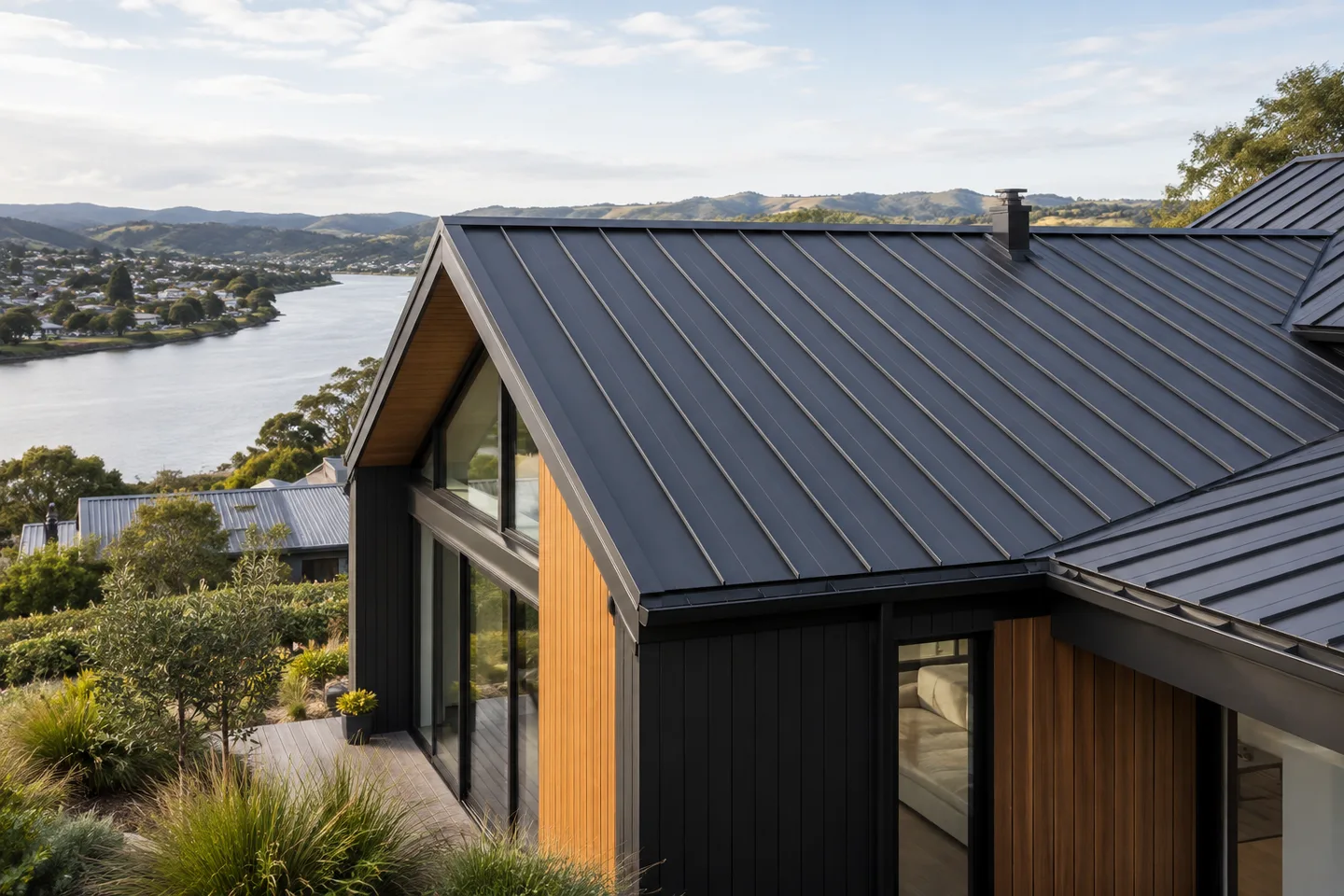
Compare profiles, coatings and roof details for a considered metal roofing specification.
View service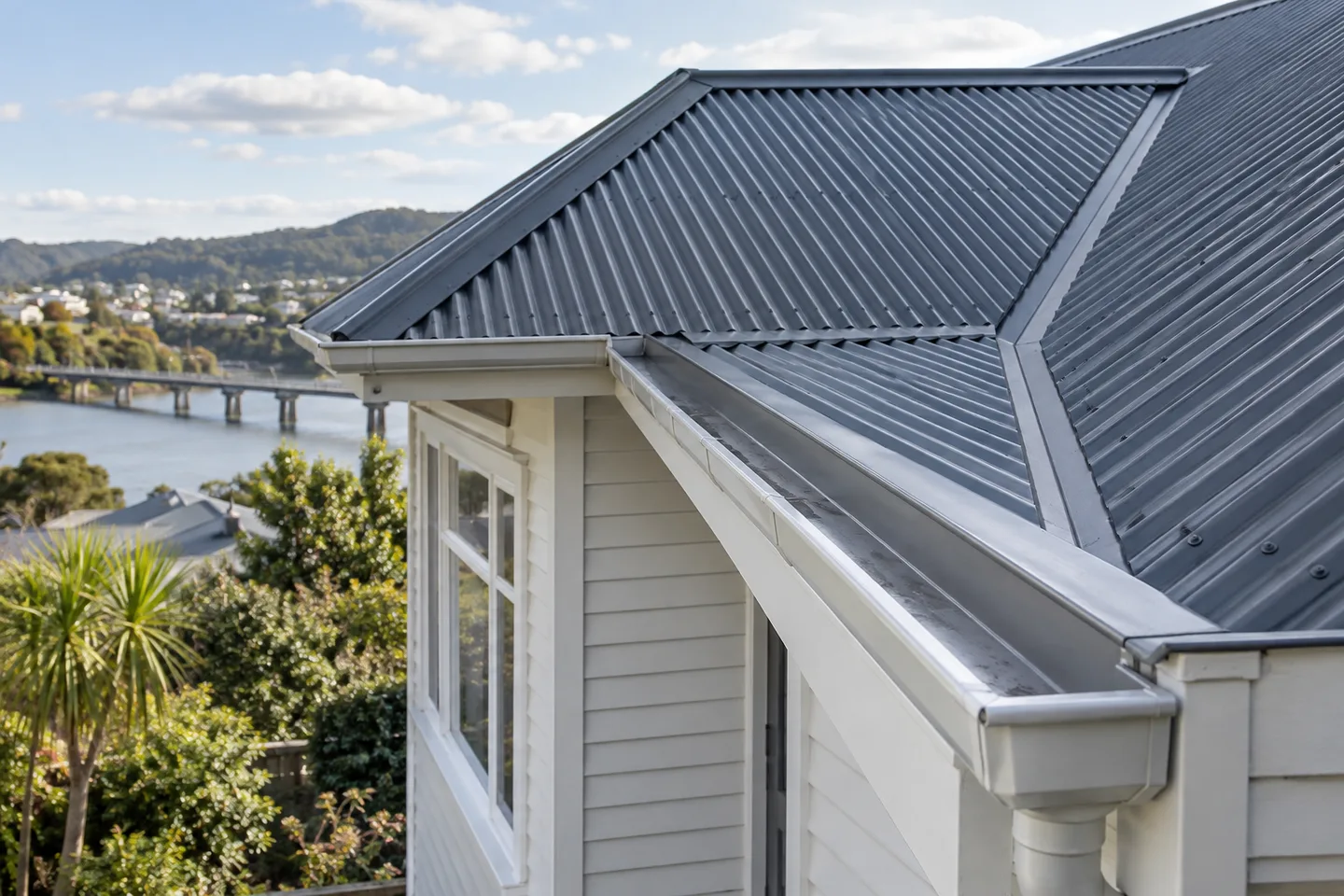
Build a practical picture of roof condition and prioritise maintenance before committing to major work.
View service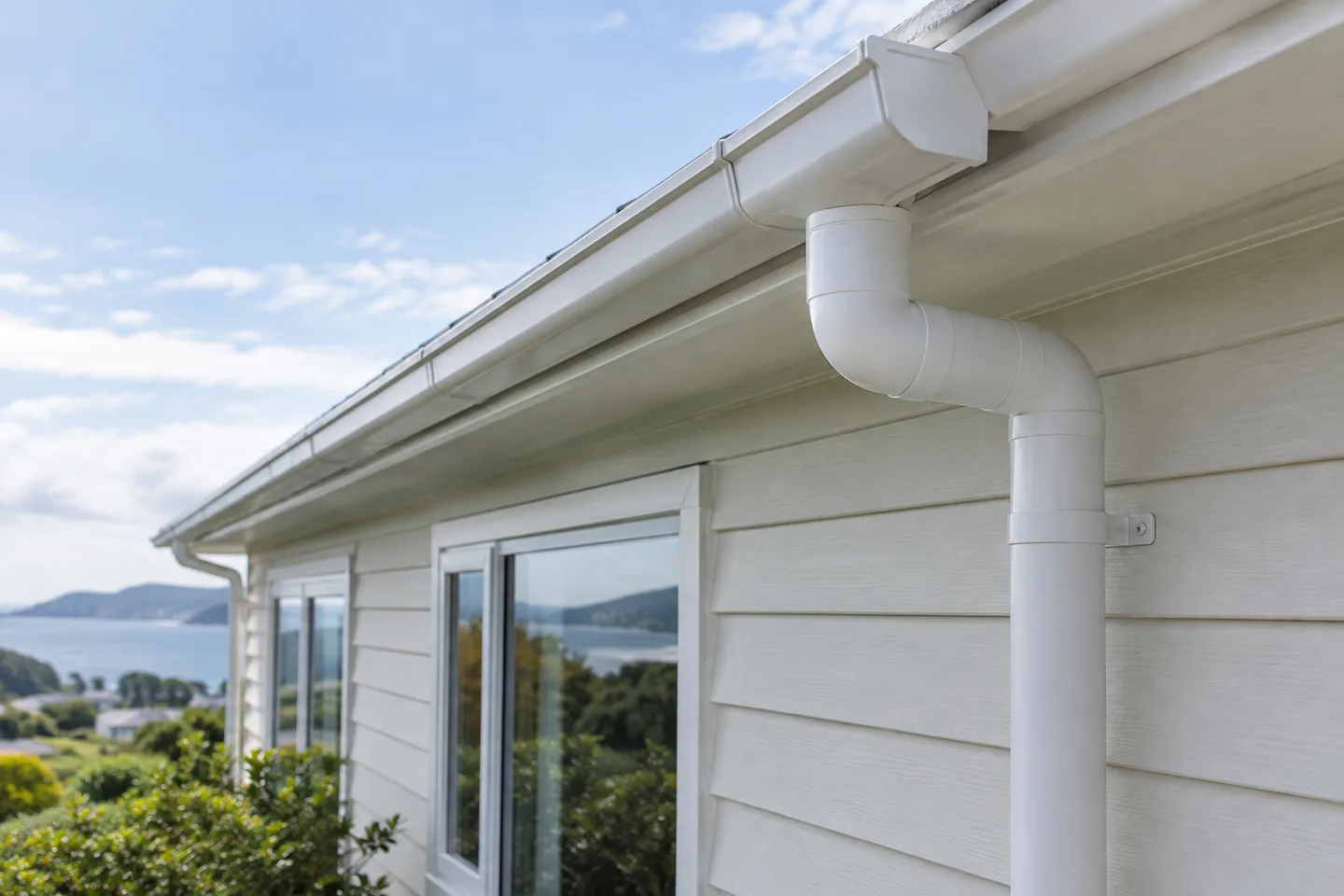
Consider gutters, outlets, downpipes and fascia together to understand roof drainage problems.
View serviceYour home. The next chapter.
Start with your suburb, your roof concerns and what you want to achieve.