Existing levels
Compare existing eaves and roof levels with the extension drawings before setting the junction.
Build & renew
Roof Extension Connections in Whanganui: the junction between an extension and an existing building should be resolved before roofing is ordered.
06 880 1066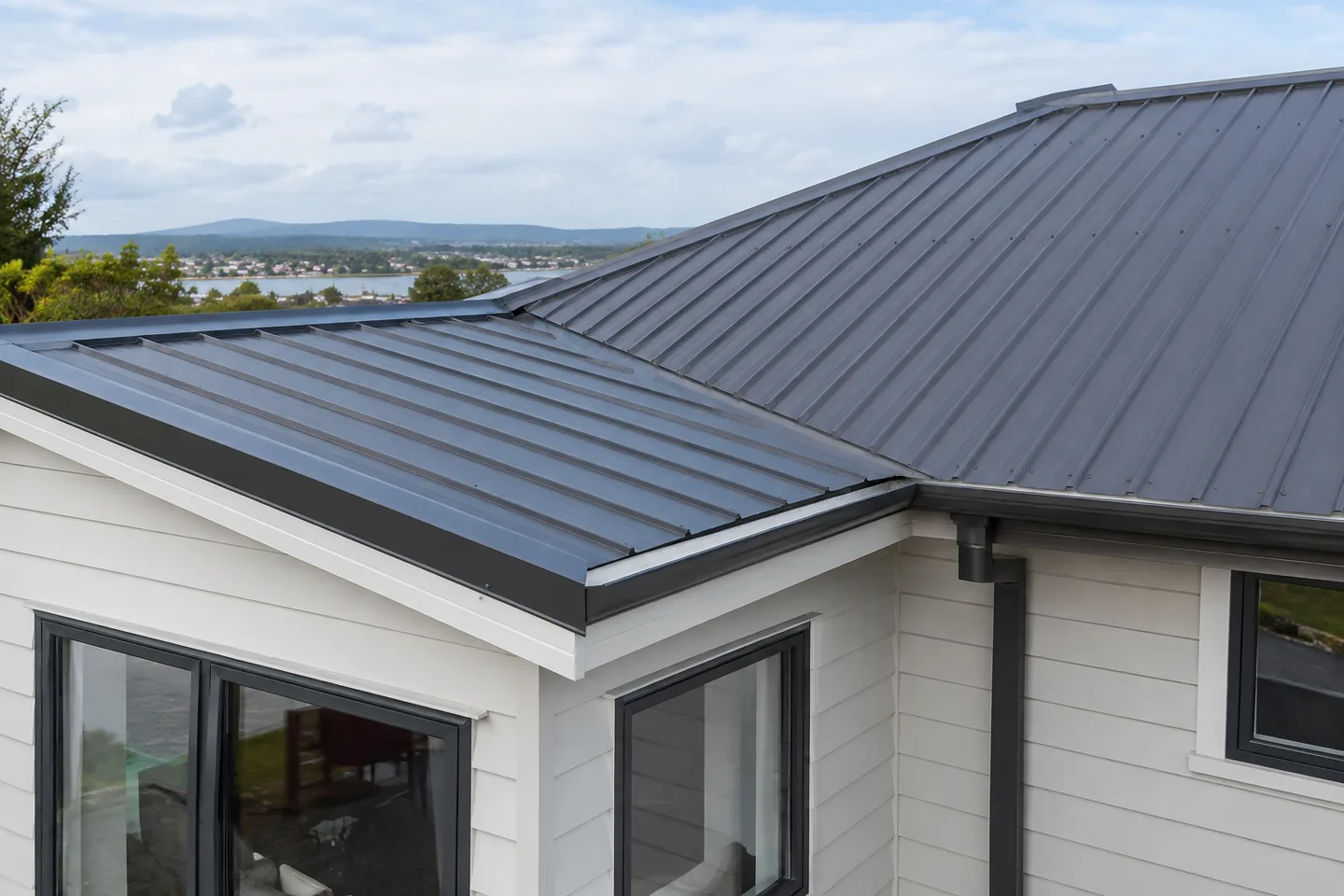
Let’s start with your property
Tying a new roof section into an existing one is one of the trickier parts of any addition or extension, and it's where a poorly planned join causes ongoing leaks. Whanganui roof extension connections covers the flashing, pitch-matching and structural tie-in work needed when a new roof section meets an existing roofline — whether that's a home extension, a new garage against the house, or an added veranda. We assess the existing roof's condition, profile and age first, since matching colour and material only works if the existing roof has enough life left to be worth matching. Where it doesn't, we'll say so and talk through whether a partial or full re-roof makes more sense. Valley and apron flashing detail gets particular attention here, since that junction is exposed to more water flow than almost anywhere else on the roof.
A clear scope. The right questions.
A considered next step.
Start with an observation
01A planned home extensionThe join between new and existing roof is the single most leak-prone detail in any extension, and it's decided very early. Whanganui roof extension connections plan that junction before construction, so it's built correctly rather than patched afterwards.
02Different roof pitches meetingWhere pitches differ, water speeds and volumes change at the junction and standard flashings rarely cope. Whanganui roof extension connections design the transition for the actual geometry, so the detail handles the flow it genuinely receives.
03Water entry at an older additionA leaking addition usually means the original tie-in was never detailed properly, and sealant has been holding it together ever since. Whanganui roof extension connections rebuild the junction so it works structurally, not just temporarily.
Scope notebook
Compare existing eaves and roof levels with the extension drawings before setting the junction.
Agree responsibility for drawing the connection between old and new roof areas.
Review how the extension changes water collection and the route to existing outlets.
Sequence wall cladding, roof installation and temporary protection with the lead builder.
Why work with us
The tie-in between new and existing roof is the most leak-prone detail in any extension. We resolve it at design stage rather than improvising once the framing is up.
Matching a new roof to an old one only works if the old one has life left. We tell you when a partial or full re-roof is the better decision.
Where pitches differ, water speed and volume change at the junction. We design the flashing for the flow it genuinely receives instead of fitting a standard section.
A correctly formed junction sheds water on its own. We rebuild the connection so it performs structurally rather than depending on a bead of sealant to stay watertight.
Two ways to frame the work
Discuss matching roof plane when the assessment supports a defined scope. Ask which adjoining components can remain and how the new work will connect.
Consider stepped roof connection when the existing condition or project brief needs a wider approach. Confirm access, interfaces and exclusions before accepting the proposal.
What to expect on site
Tying a new roof section into an existing one usually means some work on both the new and the existing roof, so expect activity in two areas rather than one contained zone. We'll confirm access needed around both sections, and flag if any existing roofing needs temporary protection while the new section and junction are completed. This work is more weather-sensitive than a straightforward new roof, since the existing roof may be partially opened up at the junction point during the tie-in — we won't leave that exposed if rain is forecast.
We'll talk you through the sequencing before work starts so you understand which parts of your roof are affected and when, rather than being unsure what stage the job is at.
Questions about roof extension connections
Use these answers to prepare a brief for your property and clarify the proposed work.
Comparing Roofing MaterialsDescribe a planned home extension or the change you are planning. Existing reports, approximate age and safe photographs help establish what needs assessment.
Existing levels, Junction drawings, Drainage changes, Trade sequencing all matter. The condition of adjoining materials and the practical access arrangement can expand or limit the proposed work.
Ask whether related work can share access or preparation. Keep the components, responsibilities and exclusions itemised so you can compare the combined proposal.
Existing levels: Compare existing eaves and roof levels with the extension drawings before setting the junction. Junction drawings: Agree responsibility for drawing the connection between old and new roof areas. Drainage changes: Review how the extension changes water collection and the route to existing outlets. Trade sequencing: Sequence wall cladding, roof installation and temporary protection with the lead builder.
Matching roof plane: Discuss matching roof plane when the assessment supports a defined scope. Ask which adjoining components can remain and how the new work will connect. Stepped roof connection: Consider stepped roof connection when the existing condition or project brief needs a wider approach. Confirm access, interfaces and exclusions before accepting the proposal.
For roof extension connections, discuss drainage changes and trade sequencing early. Access, weather and adjoining building work can affect the sequence. Confirm material availability and how unexpected conditions will be priced before work starts.
Connected to roof extension connections
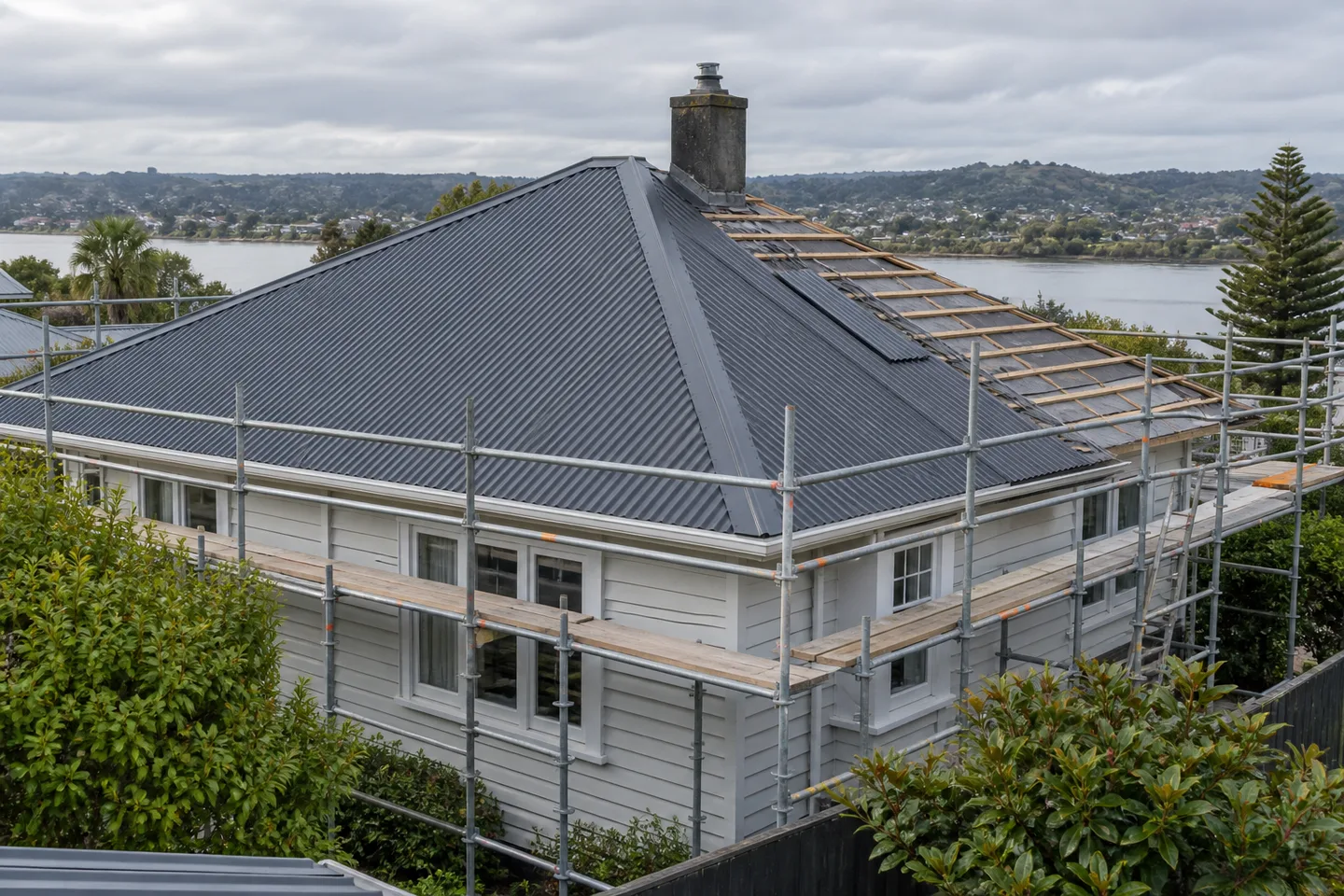
Plan a re-roof around the condition of your existing roof, the right materials and everyday life at home.
View service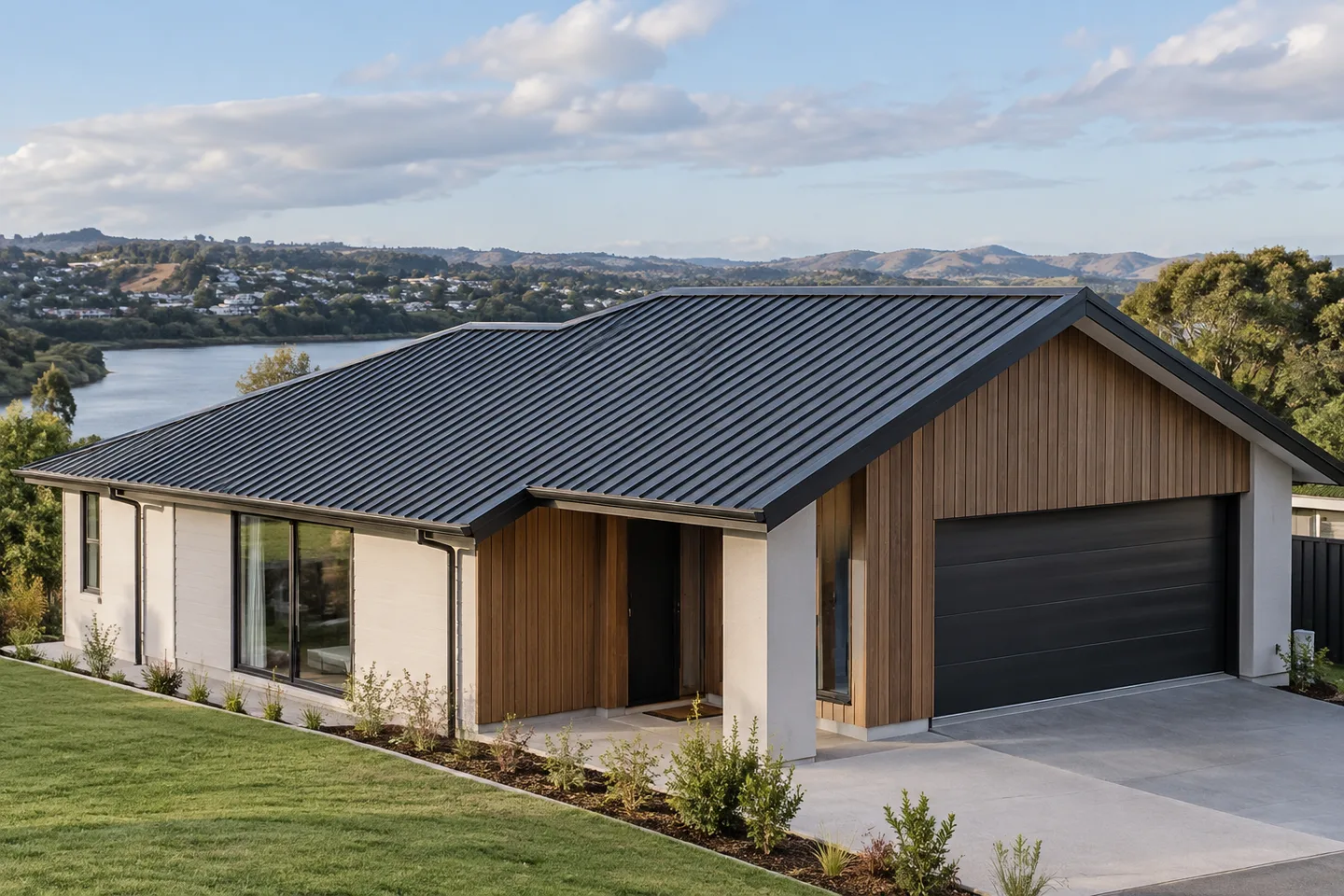
Coordinate the roof specification, structure and installation sequence with your new build.
View service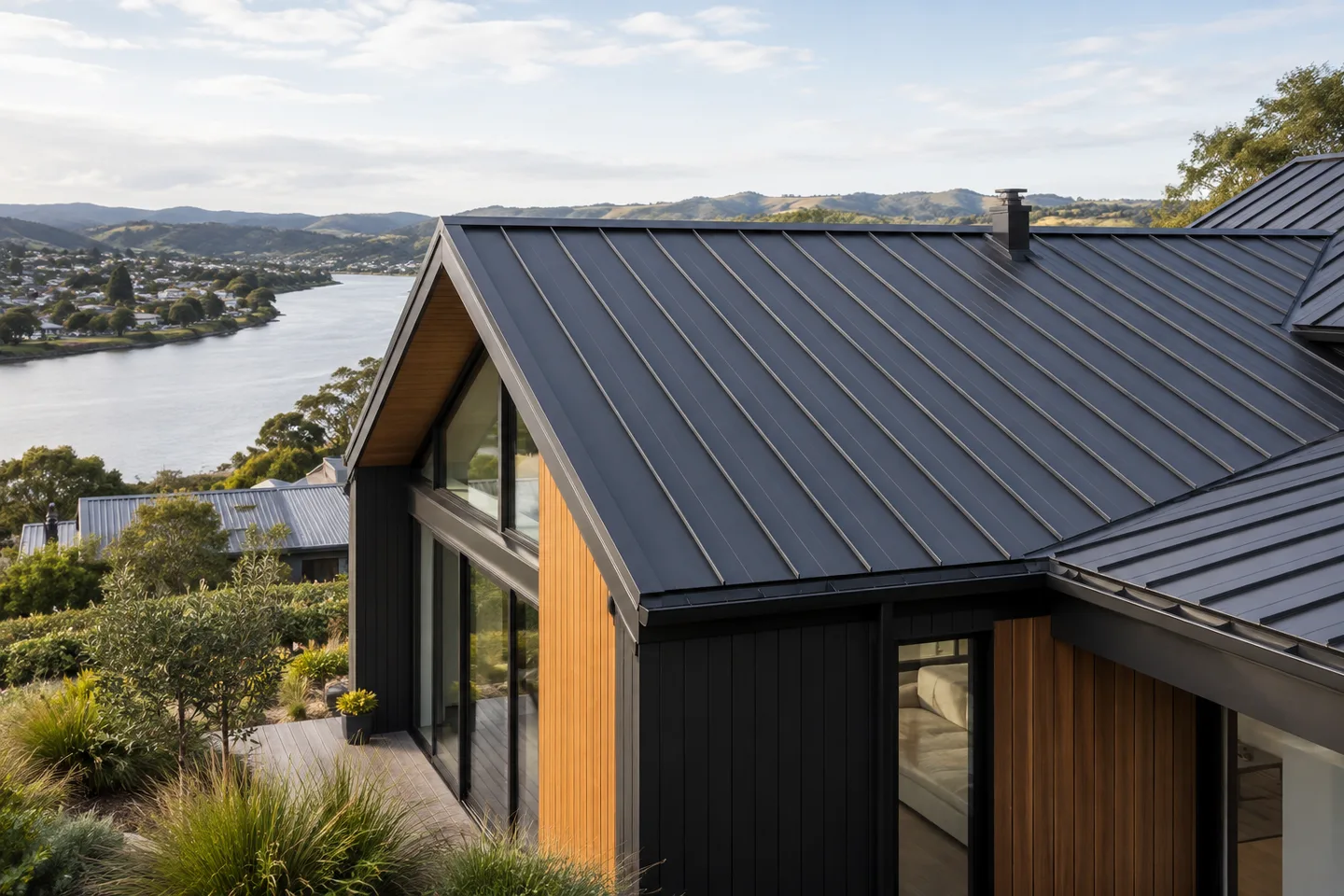
Compare profiles, coatings and roof details for a considered metal roofing specification.
View serviceYour home. The next chapter.
Start with your suburb, your roof concerns and what you want to achieve.