Roof zones
Map the roof into areas that correspond with the spaces used beneath it.
Business premises
Warehouse Roofing in Whanganui: warehouse projects need agreement on the roof scope and the way work affects stored goods and loading areas.
06 880 1066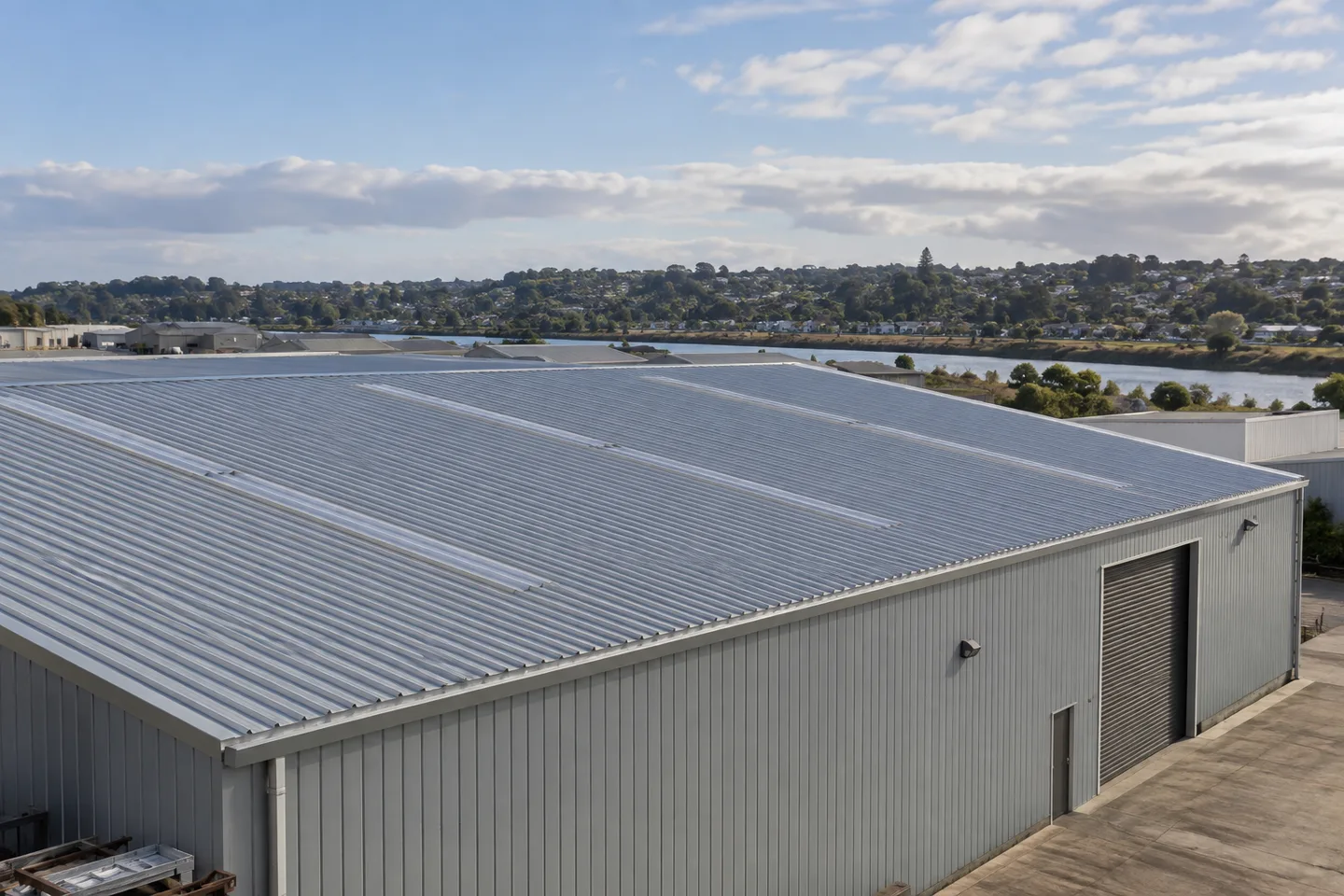
Let’s start with your property
Warehouse roofs cover large spans with minimal internal support, which puts particular demands on purlin spacing, sheet strength and drainage capacity that differ from standard commercial buildings. Whanganui warehouse roofing covers new installation and re-roofing for warehouse and industrial buildings, specified for the span, loading and drainage the structure actually needs. We account for skylights, roof-mounted plant, and any existing structural constraints when planning a re-roof, since warehouses often have services and equipment fixed to or penetrating the roof that residential jobs don't need to consider. Drainage sizing matters more here too, given the sheer roof area a single warehouse roof typically represents — undersized guttering on a structure this size causes serious problems quickly. We work with the building's operational schedule to minimise disruption, since warehouse downtime has a real cost to the business using it.
A clear scope. The right questions.
A considered next step.
Start with an observation
01Leaks above pallet storageA leak over stored stock costs far more in damaged goods than in roofing, and warehouse roof areas are vast. Whanganui warehouse roofing locates and resolves the entry point with minimal disruption to your operations.
02Ageing warehouse roof sheetsLarge-span roofs age across the whole area at once, so isolated repairs stop being economical beyond a certain point. Whanganui warehouse roofing assesses whether staged replacement now delivers better value than continued reactive repair.
03A planned roof refurbishmentRefurbishment is the moment to correct drainage capacity, penetrations and plant fixings that have accumulated over the building's life. Whanganui warehouse roofing coordinates that work so it happens once, around your operational schedule.
Scope notebook
Map the roof into areas that correspond with the spaces used beneath it.
Agree how stock is protected or relocated during inspection and installation.
Plan material handling around loading docks, vehicle routes and deliveries.
Identify rooftop equipment and the trades responsible for its temporary or permanent changes.
Why work with us
A leak over pallet storage costs far more in damaged goods than in roofing. We prioritise locating and stopping water entry before it reaches your inventory.
Warehouse roofs place different demands on purlin spacing, sheet strength and drainage than standard commercial buildings. We specify for the span rather than scaling a smaller approach up.
Warehouses accumulate roof-mounted services, ducting and fixings over the years. We survey and plan around what is already up there, rather than discovering it once the work is underway.
Warehouse downtime has a real cost. We stage work around your schedule, so goods keep moving while the roof is being repaired or replaced.
Two ways to frame the work
Discuss targeted warehouse repairs when the assessment supports a defined scope. Ask which adjoining components can remain and how the new work will connect.
Consider staged roof renewal when the existing condition or project brief needs a wider approach. Confirm access, interfaces and exclusions before accepting the proposal.
What to expect on site
Warehouse roofing typically involves larger equipment and material volumes than residential jobs, so expect confirmed access arrangements for trucks, lifting equipment and material storage well ahead of the work starting. We'll coordinate closely with your operations team to minimise disruption to warehouse activity, particularly around loading docks or areas directly beneath the roofing work. Noise levels can be more noticeable given the scale of the job, so we'll confirm which days involve the most activity.
Given the roof area involved, weather has a more significant impact on scheduling here than on smaller jobs, so we'll build in appropriate flexibility and keep you updated if conditions require adjusting the sequence or timeline.
Questions about warehouse roofing
Use these answers to prepare a brief for your property and clarify the proposed work.
What Affects a Roofing Quote?Describe leaks above pallet storage or the change you are planning. Existing reports, approximate age and safe photographs help establish what needs assessment.
Roof zones, Stock protection, Delivery access, Equipment interfaces all matter. The condition of adjoining materials and the practical access arrangement can expand or limit the proposed work.
Ask whether related work can share access or preparation. Keep the components, responsibilities and exclusions itemised so you can compare the combined proposal.
Roof zones: Map the roof into areas that correspond with the spaces used beneath it. Stock protection: Agree how stock is protected or relocated during inspection and installation. Delivery access: Plan material handling around loading docks, vehicle routes and deliveries. Equipment interfaces: Identify rooftop equipment and the trades responsible for its temporary or permanent changes.
Targeted warehouse repairs: Discuss targeted warehouse repairs when the assessment supports a defined scope. Ask which adjoining components can remain and how the new work will connect. Staged roof renewal: Consider staged roof renewal when the existing condition or project brief needs a wider approach. Confirm access, interfaces and exclusions before accepting the proposal.
For warehouse roofing, discuss delivery access and equipment interfaces early. Access, weather and adjoining building work can affect the sequence. Confirm material availability and how unexpected conditions will be priced before work starts.
Connected to warehouse roofing
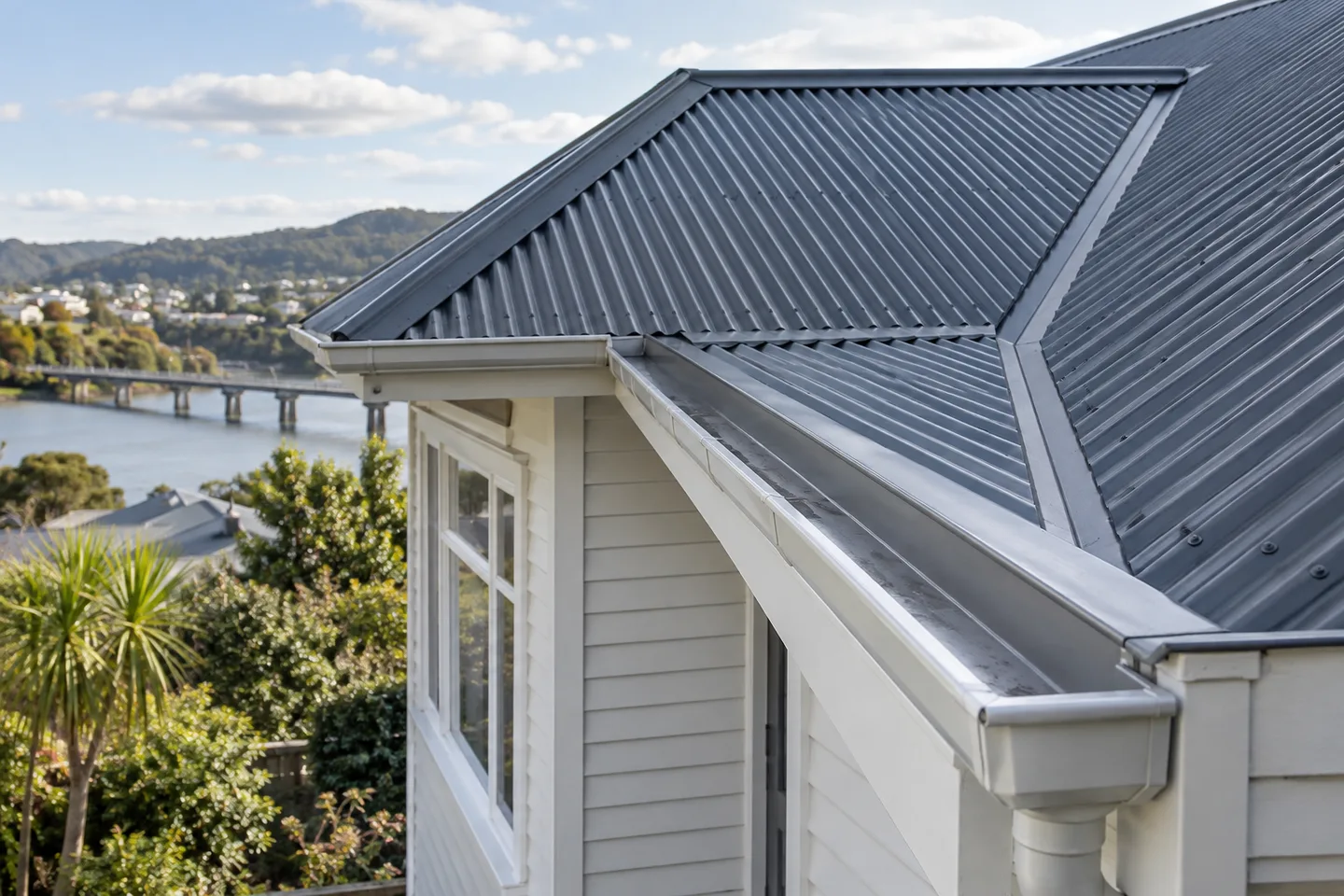
Build a practical picture of roof condition and prioritise maintenance before committing to major work.
View service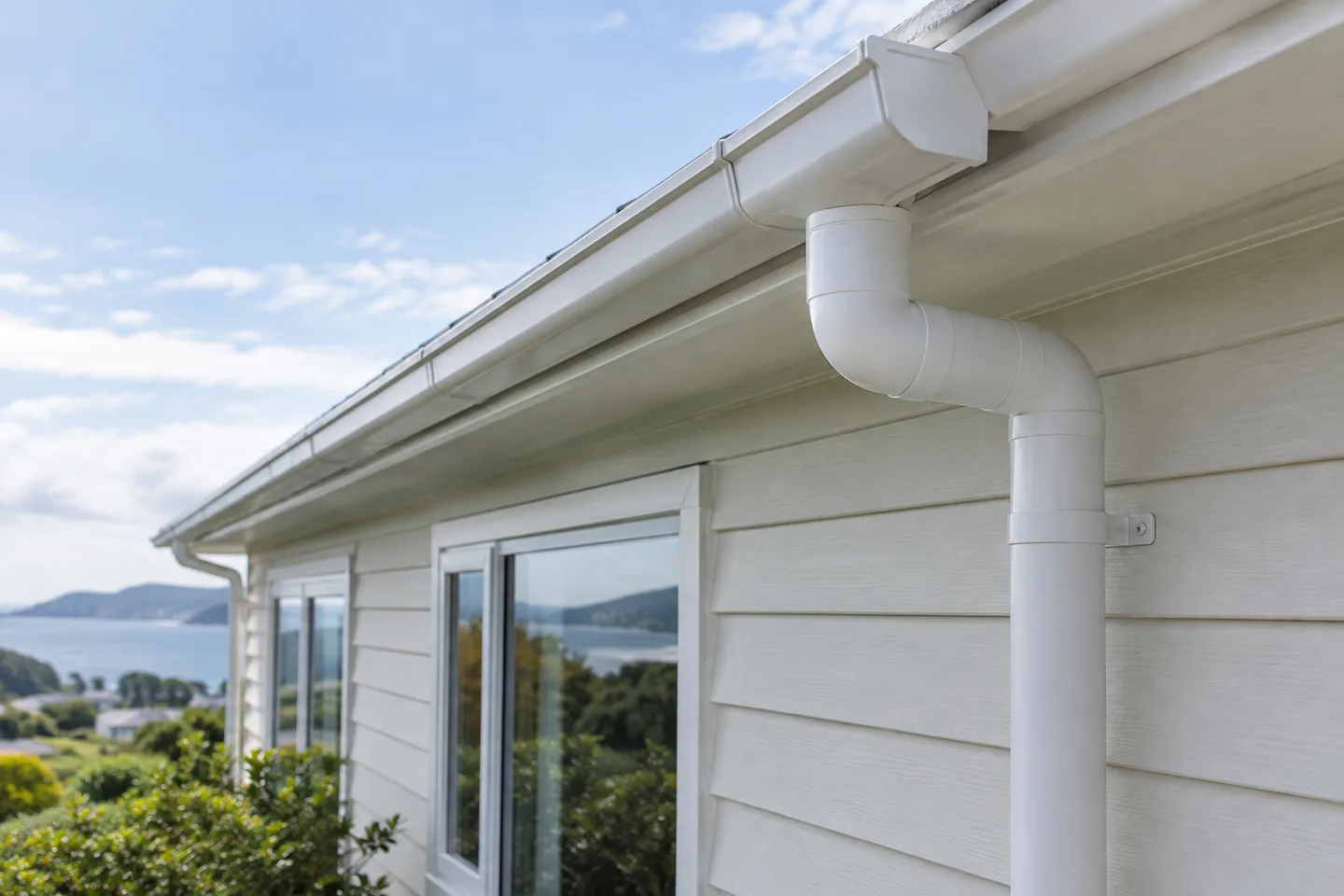
Consider gutters, outlets, downpipes and fascia together to understand roof drainage problems.
View service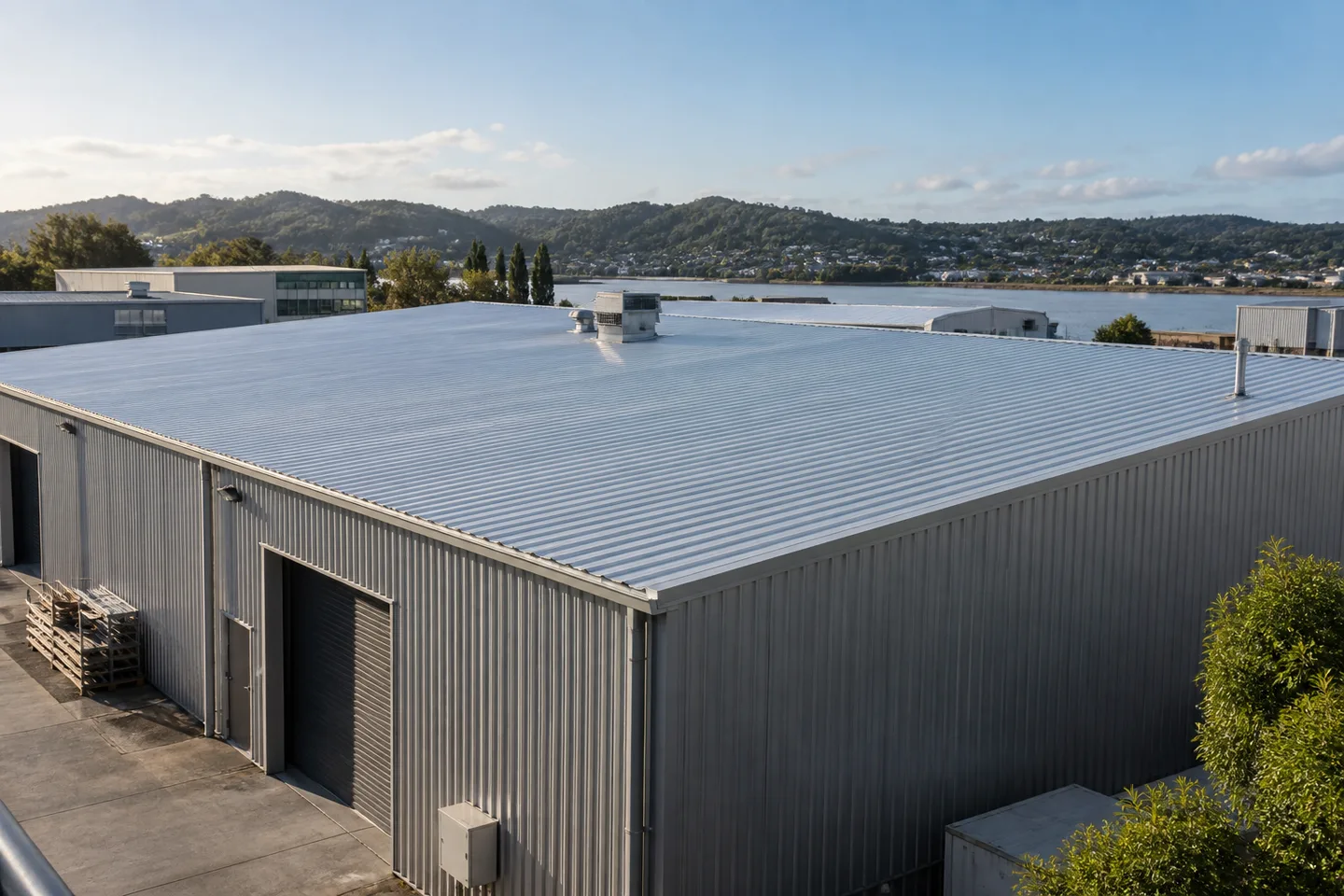
Plan roof work around building operations, access, roof-mounted equipment and the agreed maintenance scope.
View serviceYour home. The next chapter.
Start with your suburb, your roof concerns and what you want to achieve.