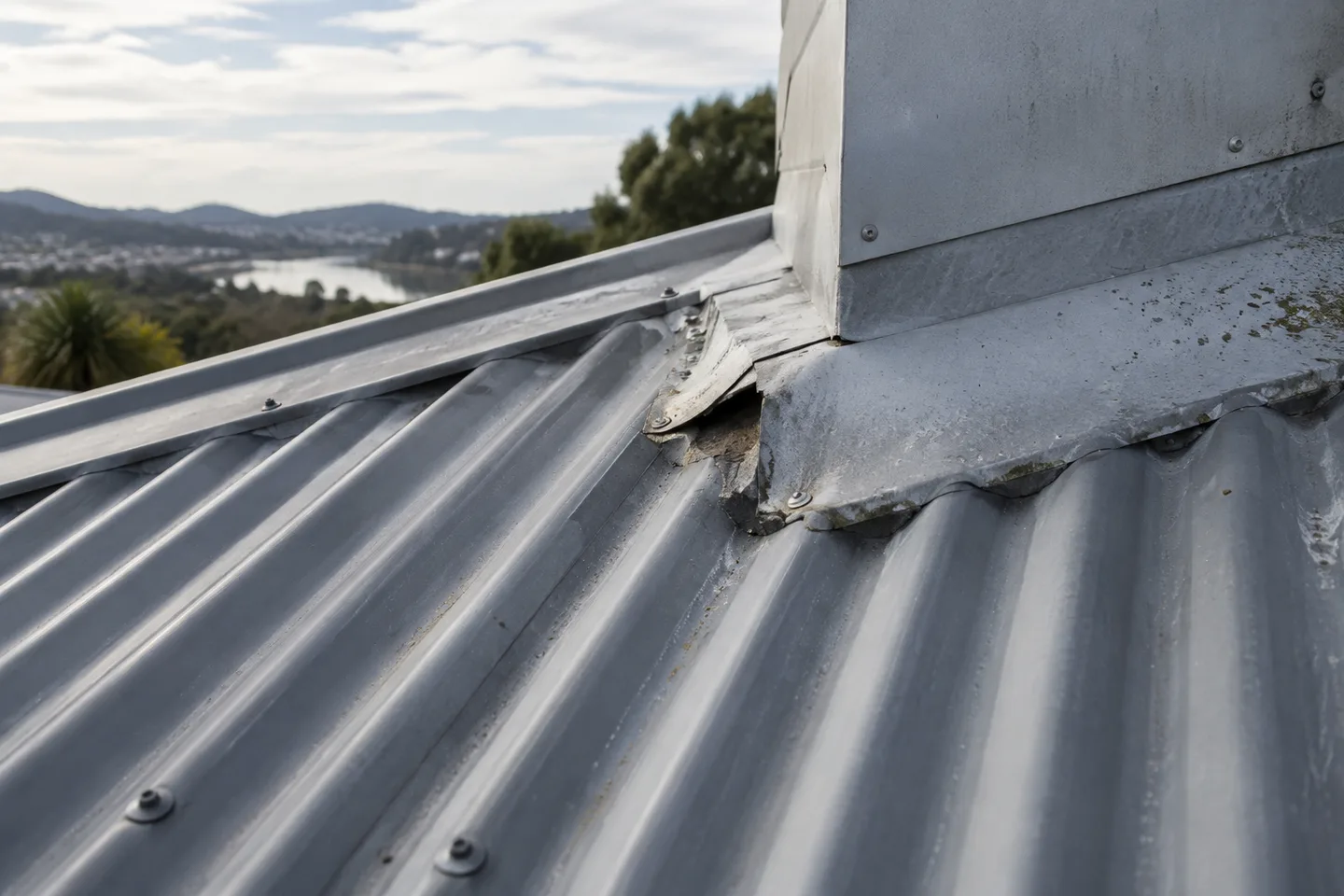
Roof Repairs
Understand leaks, damaged sheets and tired junctions before choosing a targeted repair.
View serviceBuild & renew
Plan a re-roof around the condition of your existing roof, the right materials and everyday life at home.
06 880 1066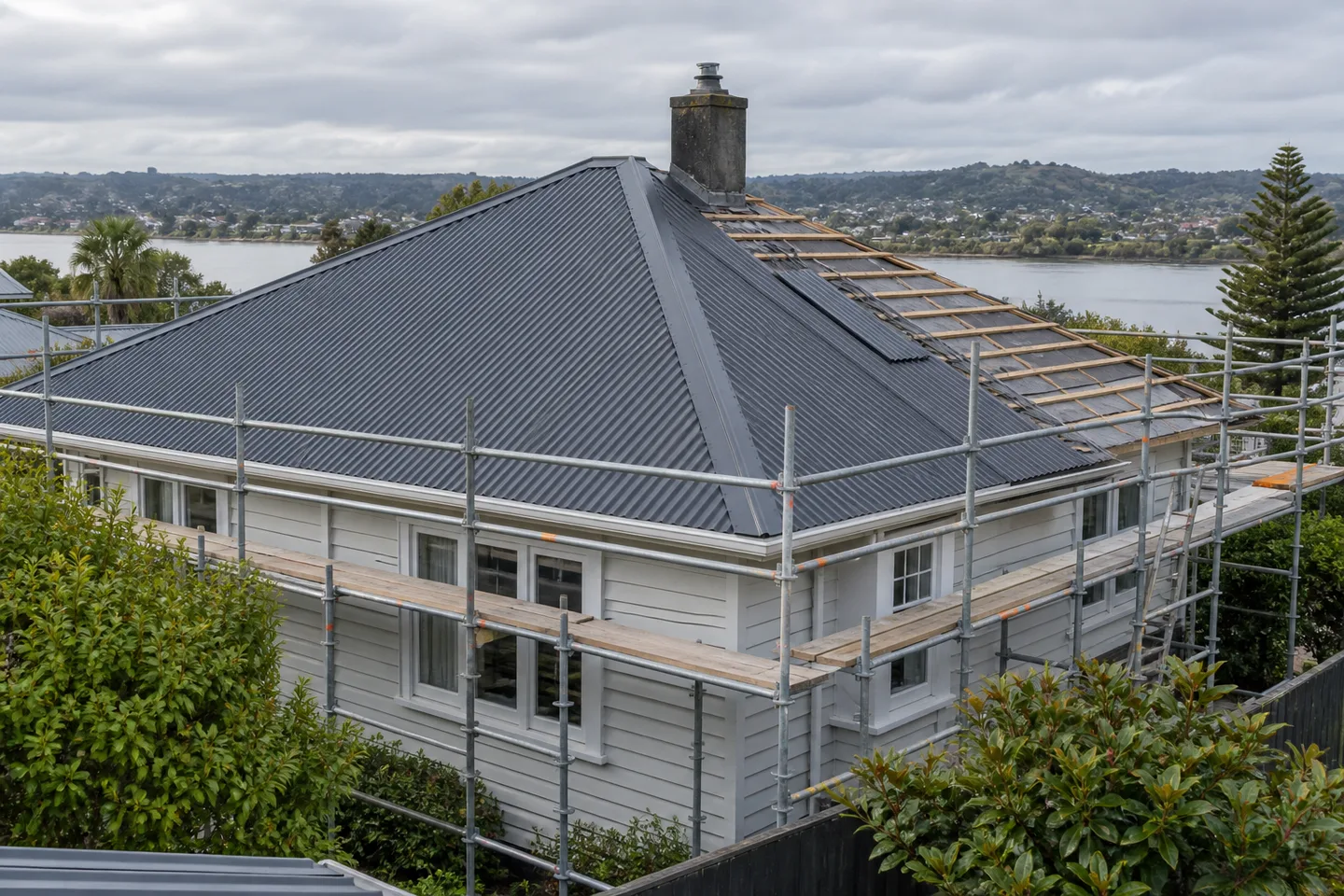
Let’s start with your property
A tired, leaking or storm-damaged roof rarely gets better with patching alone. Whanganui roof replacement covers the full strip-off, structural check and re-roof, whether you're moving to long-run steel, corrugated iron or a tiled profile. We assess the framing underneath before quoting, so hidden rot or rust doesn't turn into a surprise mid-job. Every replacement includes new underlay, flashings and fixings rated for our coastal weather, not just a like-for-like swap of the old sheets. Homeowners usually reach for a full replacement when repairs have become frequent, the roof is past 25–30 years old, or they're renovating and want everything brought up to current standard. We handle council consent, material selection and scheduling around Whanganui's weather windows, so the whole process stays straightforward from quote to final inspection.
A clear scope. The right questions.
A considered next step.
Roof Replacement · signs & starting points
Define the work
Record material, pitch, visible defects and penetrations. Identify areas that cannot be checked until cladding is removed.
Agree which cladding, underlay, flashings and fixings are being replaced, and what stays.
Set out how damaged timber or unexpected materials will be photographed, priced and approved.
Request a tidy-up scope, product records, maintenance guidance and the written terms for any warranty offered.
Why homeowners choose us
Every Whanganui roof replacement starts with checking the framing, underlay and junctions beneath the cladding, so the price reflects the real condition rather than a guess made from the ground.
Whanganui air carries salt well inland. We select coatings, fixings and flashings rated for your site, so the new roof lasts its full expected life rather than corroding early.
You receive a written scope covering what is removed, what is replaced and how hidden damage is handled, so there are no mid-job surprises or unexplained additions to the final invoice.
Re-roofing is disruptive, so we plan scaffold, deliveries and access around your household, protect the areas below, and leave the property clean when the work is finished.
Consider the alternatives
What to expect on site
A full re-roof is one of the bigger jobs we do, so we want you prepared, not surprised. Expect several days of noise, material deliveries, and a defined work zone around the house while the old roof comes off and the new one goes on. We'll talk through parking, pets, ceiling dust, and anything solar- or rainwater-related on your roof before the first sheet is removed. Access to your driveway and any side paths matters too, since scaffolding and material drop-offs need clear room.
If the forecast turns unfavourable, we'll move the date rather than open your roof in the wrong conditions — a short delay beats a rushed job that leaks. We'll confirm the final schedule with you once weather is locked in.
Questions about roof replacement
Use these answers to prepare a brief for your property and clarify the proposed work.
Repair or Replace Your Roof?Often this can be discussed, but the roof condition, access and extent of work decide what is practical. Agree safe entry routes, working hours and any times the property needs to be vacant.
Some comparable replacement work may be exempt under MBIE guidance. Changes in structure, materials or circumstances can change the answer. Confirm the scope with the council or your designer; exempt work must still comply with the Building Code.
Not necessarily. Condensation needs assessment of moisture sources, insulation, ventilation and the roof build-up. Include those concerns in the brief instead of assuming new sheets alone will resolve them.
Existing roof assessment: Record material, pitch, visible defects and penetrations. Identify areas that cannot be checked until cladding is removed. Removal and replacement: Agree which cladding, underlay, flashings and fixings are being replaced, and what stays. Hidden-condition allowance: Set out how damaged timber or unexpected materials will be photographed, priced and approved. Completion information: Request a tidy-up scope, product records, maintenance guidance and the written terms for any warranty offered.
Targeted replacement: Suitable for discussion when deterioration is confined to a defined roof plane and adjoining work can be detailed correctly. Complete re-roof: Consider when failures are widespread or several old and new sections would otherwise need to be joined.
Re-roofing brings noise, deliveries and a temporary work zone around the house. Discuss parking, pets, ceiling dust, solar equipment and rainwater collection before work starts. Weather can change the sequence; a proposed date is not a promise to open the roof in unsuitable conditions.
Connected to roof replacement
Understand leaks, damaged sheets and tired junctions before choosing a targeted repair.
View service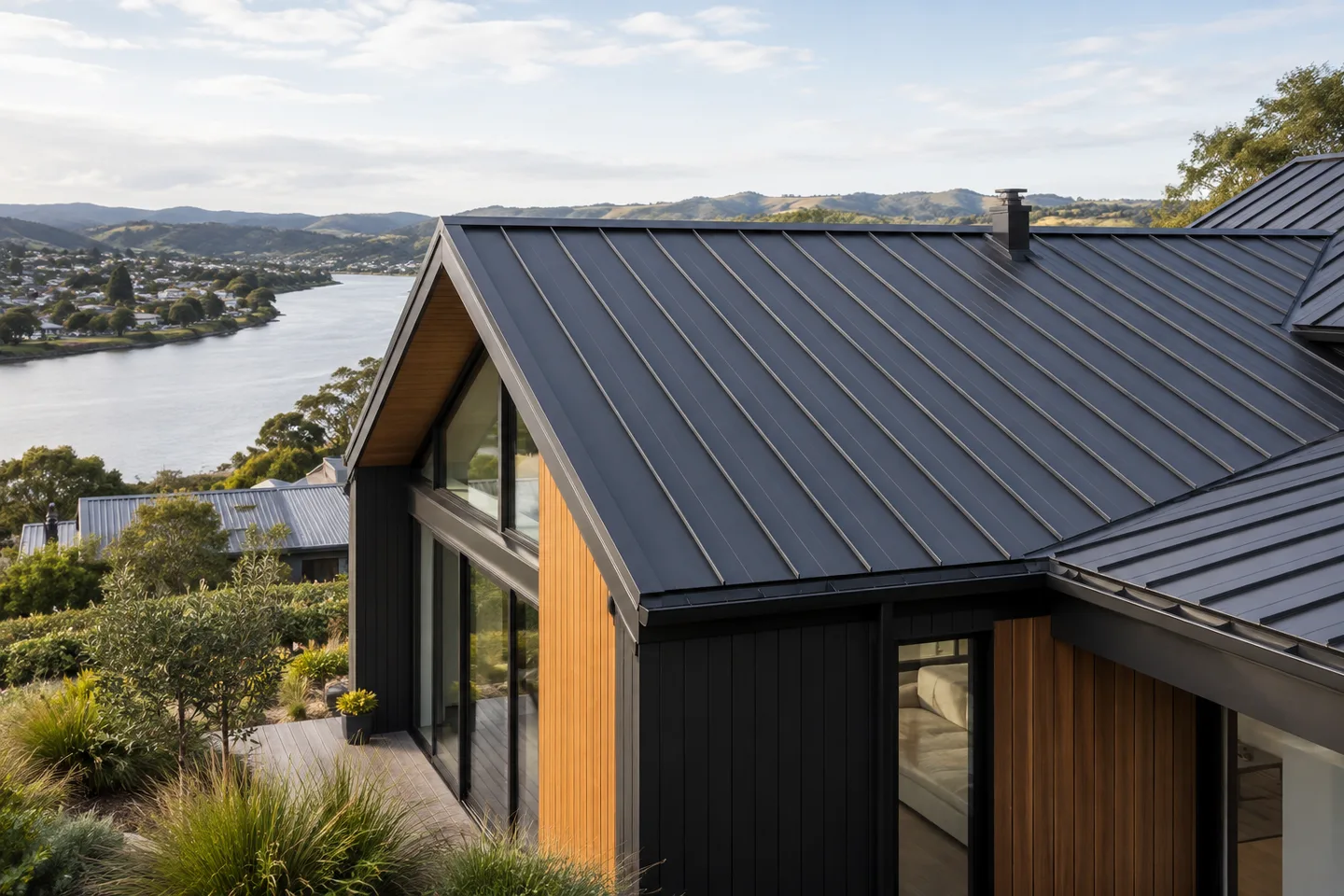
Compare profiles, coatings and roof details for a considered metal roofing specification.
View service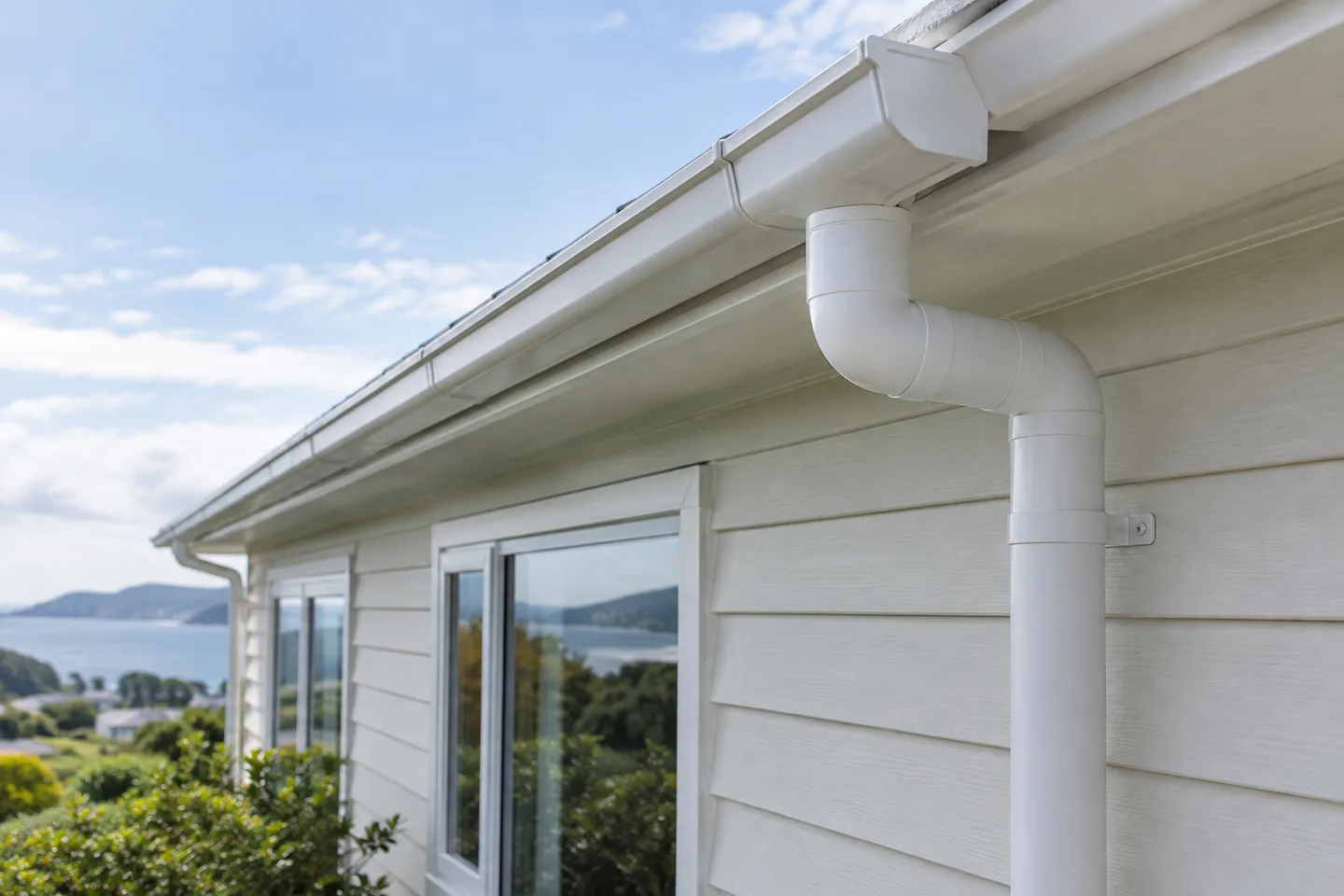
Consider gutters, outlets, downpipes and fascia together to understand roof drainage problems.
View serviceYour home. The next chapter.
Start with your suburb, your roof concerns and what you want to achieve.