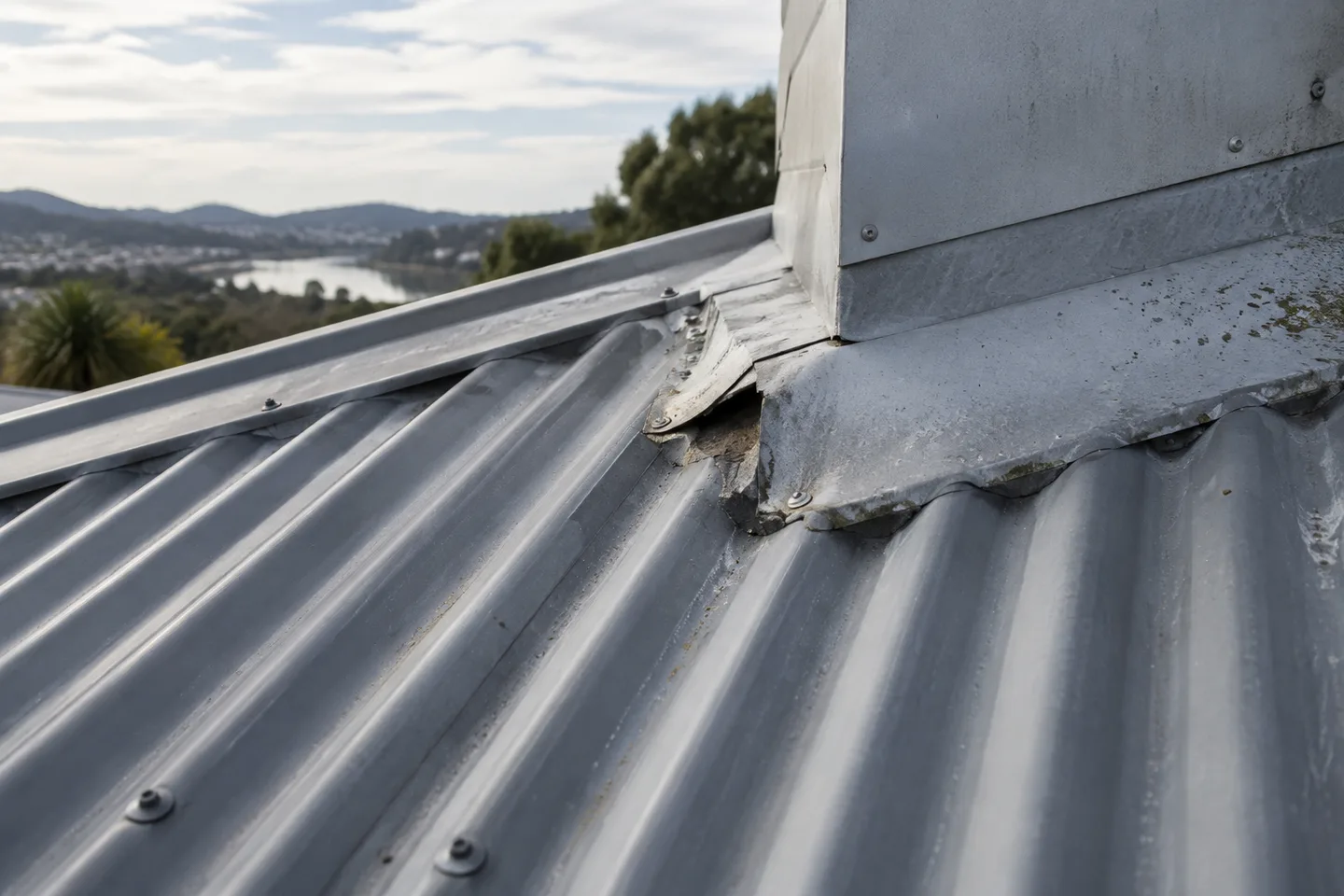
Roof Repairs
Understand leaks, damaged sheets and tired junctions before choosing a targeted repair.
View serviceRepair & maintain
Roof Rust Treatment in Whanganui: the extent of corrosion determines whether surface preparation is reasonable or material replacement needs discussion.
06 880 1066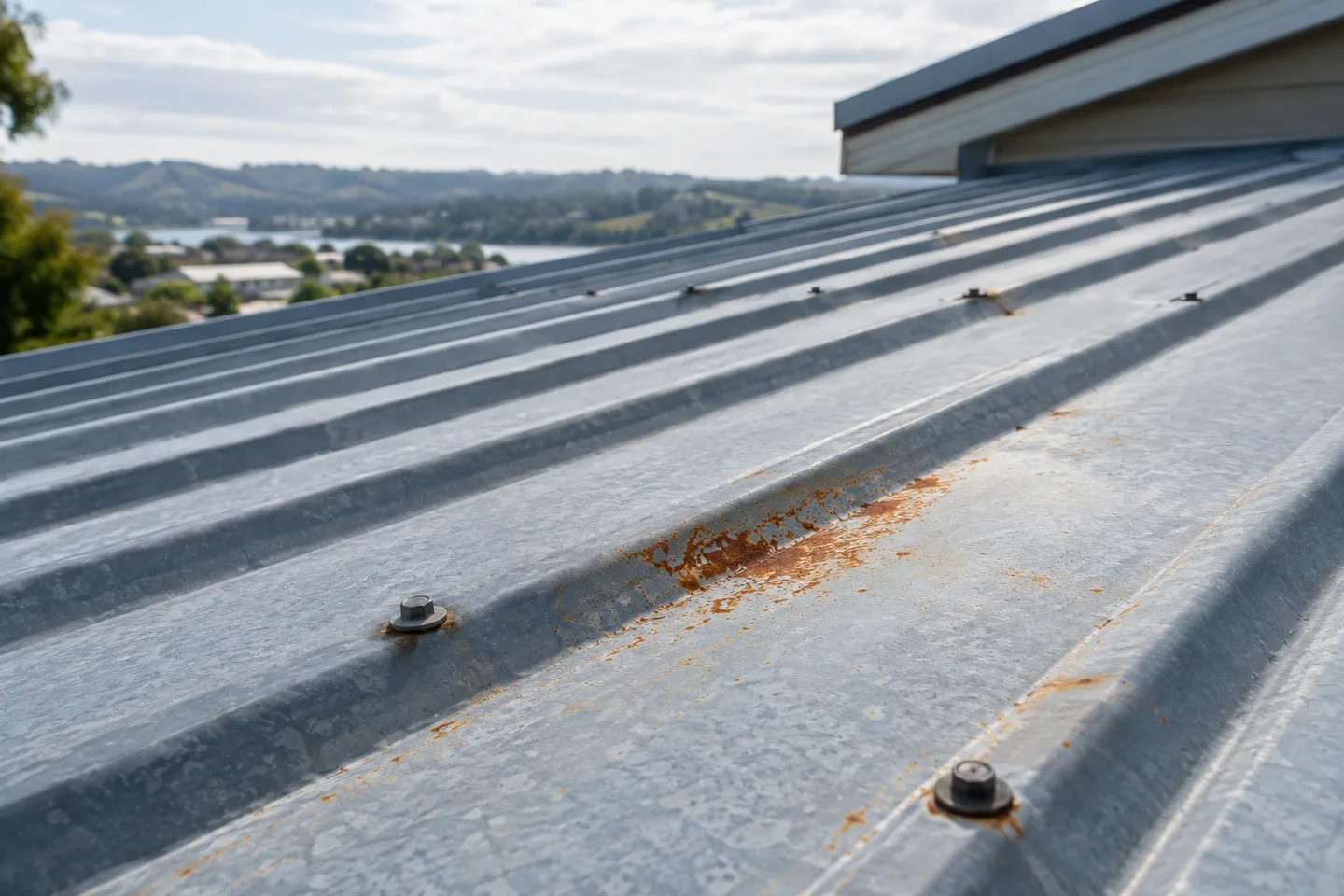
Let’s start with your property
Rust rarely stays contained to where it first appears, so treating it early is far cheaper than waiting until it's compromised a wider section of roofing. Whanganui roof rust treatment covers assessing the extent and cause of corrosion, then treating, priming and recoating affected areas, or replacing sheets where rust has gone through to the point of structural weakness. Coastal air, trapped moisture under debris, and damaged protective coatings are the most common causes we see locally, and addressing the underlying cause matters as much as treating the visible rust itself. We'll tell you honestly whether an area is treatable or whether sheet replacement is the more sensible long-term option, since painting over advanced rust just delays a bigger job. Regular gutter clearing and roof cleaning go a long way toward preventing the trapped moisture that speeds up corrosion in the first place.
A clear scope. The right questions.
A considered next step.
Roof Rust Treatment · signs & starting points
Define the work
Map affected areas and distinguish isolated surface corrosion from widespread deterioration.
Check for perforation or weakened material before discussing a coating repair.
Specify a preparation method appropriate to the substrate and proposed coating.
Request the coating supplier’s requirements and identify areas that need replacement instead.
Why homeowners choose us
Rust returns when it's painted over. We establish why corrosion started, address trapped moisture or coating breakdown, then treat back to sound material before recoating.
Where corrosion has gone through, we say so rather than coating over it. You get a clear view of what is treatable and what genuinely needs replacing.
Whanganui roofs face salt-laden air and sheltered areas that never wash clean. We know where corrosion starts locally and check those places before they become visible problems.
Preparation determines coating life far more than the product does. We prepare surfaces properly, so the treatment protects the steel rather than simply hiding the rust for a season.
Consider the alternatives
What to expect on site
Rust treatment involves preparation work — cleaning, priming and treating affected areas — before any coating is applied, so expect the job to run over more than one visit if treatment and top-coating need to be done in separate stages. We'll confirm access needed and flag any areas where rust is more extensive than initially visible, since this can affect the scope and timeline. Noise is generally moderate, from surface preparation rather than cutting or fixing.
This work is particularly weather-sensitive, since coatings need dry conditions and adequate curing time to bond properly, so we'll confirm timing around a settled weather window rather than rushing a coat on ahead of forecast rain.
Questions about roof rust treatment
Use these answers to prepare a brief for your property and clarify the proposed work.
What Affects a Roofing Quote?Describe surface rust on exposed edges or the change you are planning. Existing reports, approximate age and safe photographs help establish what needs assessment.
Corrosion extent, Metal thickness condition, Preparation method, Coating compatibility all matter. The condition of adjoining materials and the practical access arrangement can expand or limit the proposed work.
Ask whether related work can share access or preparation. Keep the components, responsibilities and exclusions itemised so you can compare the combined proposal.
Corrosion extent: Map affected areas and distinguish isolated surface corrosion from widespread deterioration. Metal thickness condition: Check for perforation or weakened material before discussing a coating repair. Preparation method: Specify a preparation method appropriate to the substrate and proposed coating. Coating compatibility: Request the coating supplier’s requirements and identify areas that need replacement instead.
Surface restoration: Discuss surface restoration when the assessment supports a defined scope. Ask which adjoining components can remain and how the new work will connect. Component replacement: Consider component replacement when the existing condition or project brief needs a wider approach. Confirm access, interfaces and exclusions before accepting the proposal.
For roof rust treatment, discuss preparation method and coating compatibility early. Access, weather and adjoining building work can affect the sequence. Confirm material availability and how unexpected conditions will be priced before work starts.
Connected to roof rust treatment
Understand leaks, damaged sheets and tired junctions before choosing a targeted repair.
View service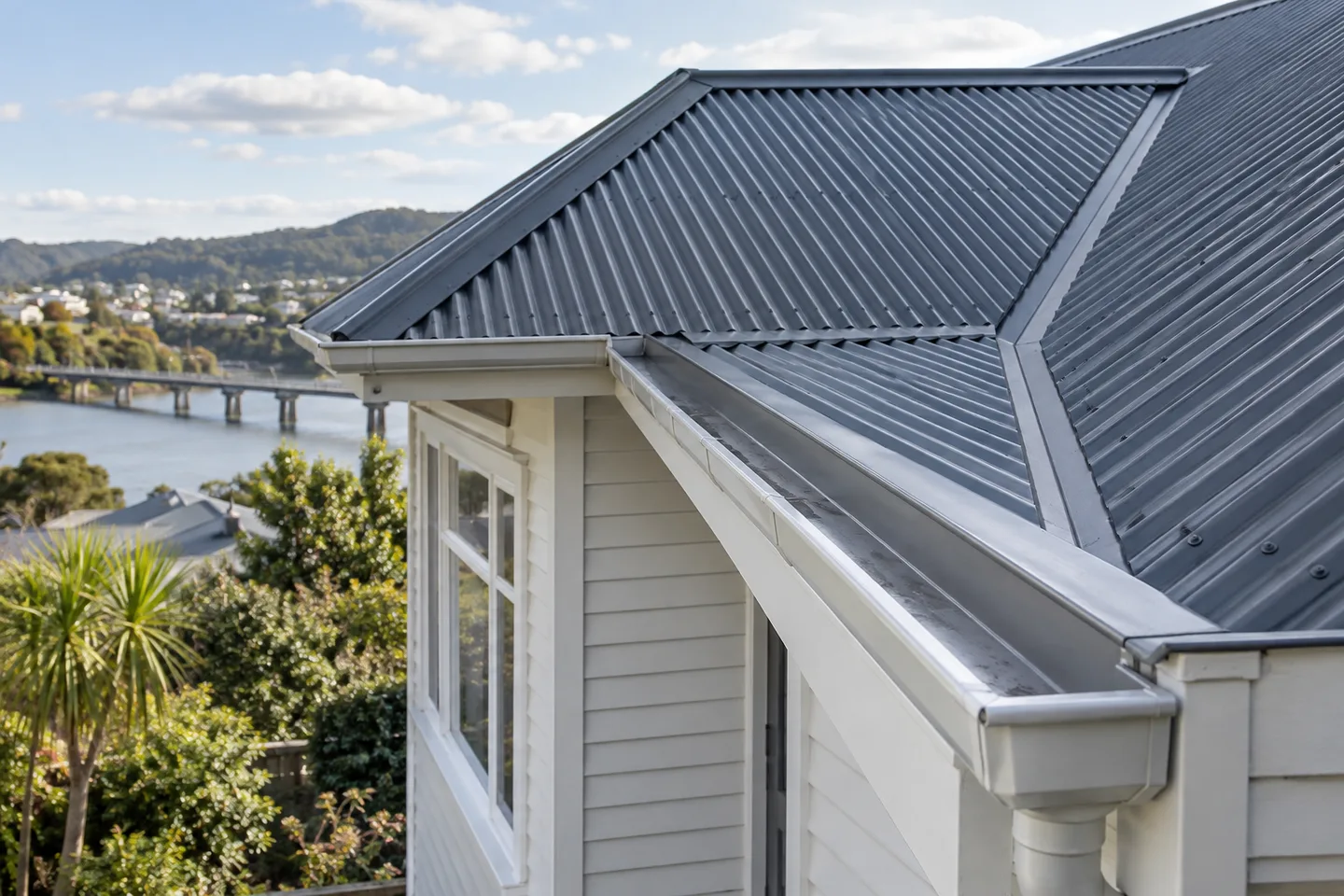
Build a practical picture of roof condition and prioritise maintenance before committing to major work.
View service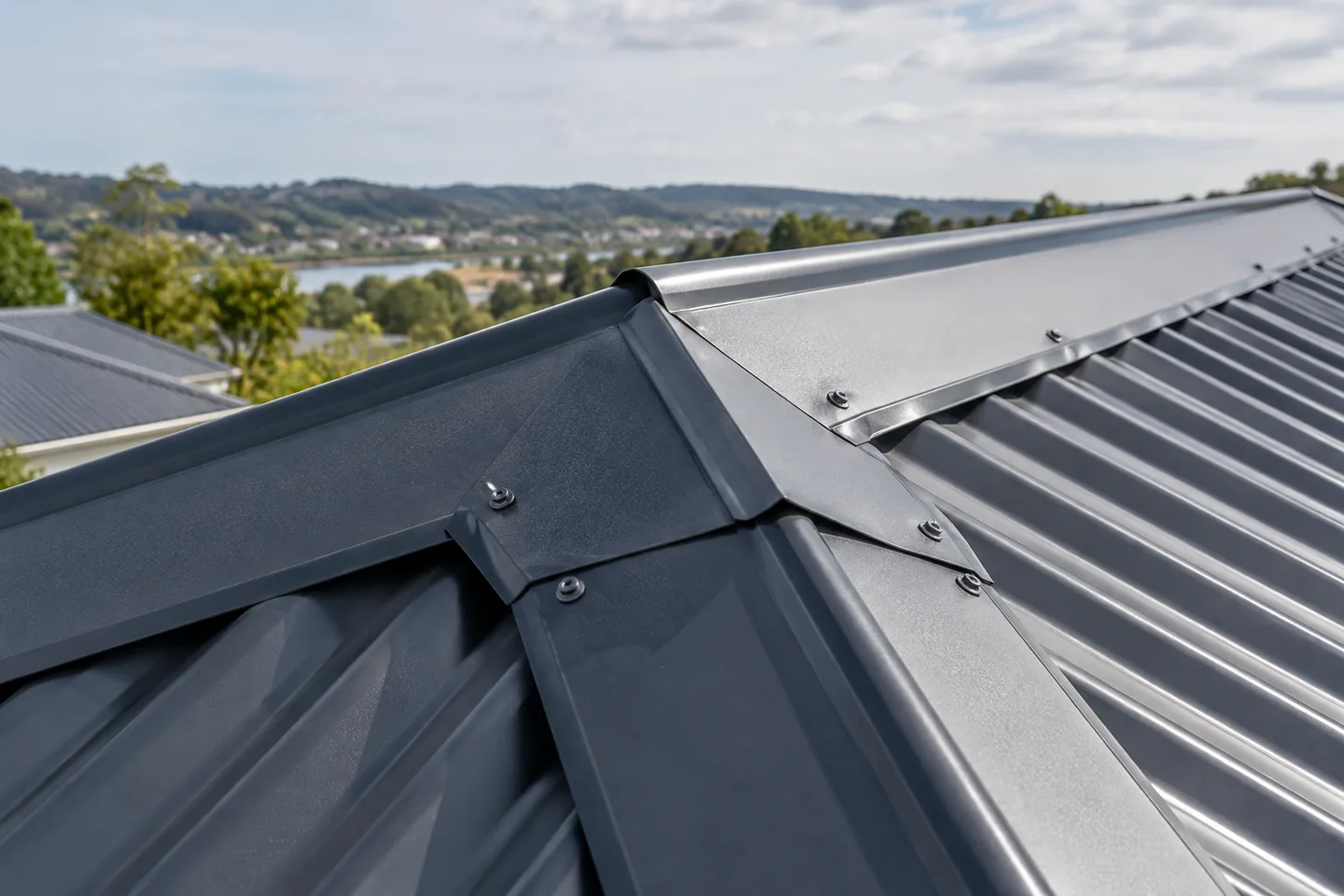
Focus on the junctions that keep roof edges, ridges and penetrations weather-resistant.
View serviceYour home. The next chapter.
Start with your suburb, your roof concerns and what you want to achieve.