Repair & maintain
Whanganui Roof Repairs
Understand leaks, damaged sheets and tired junctions before choosing a targeted repair.
06 880 1066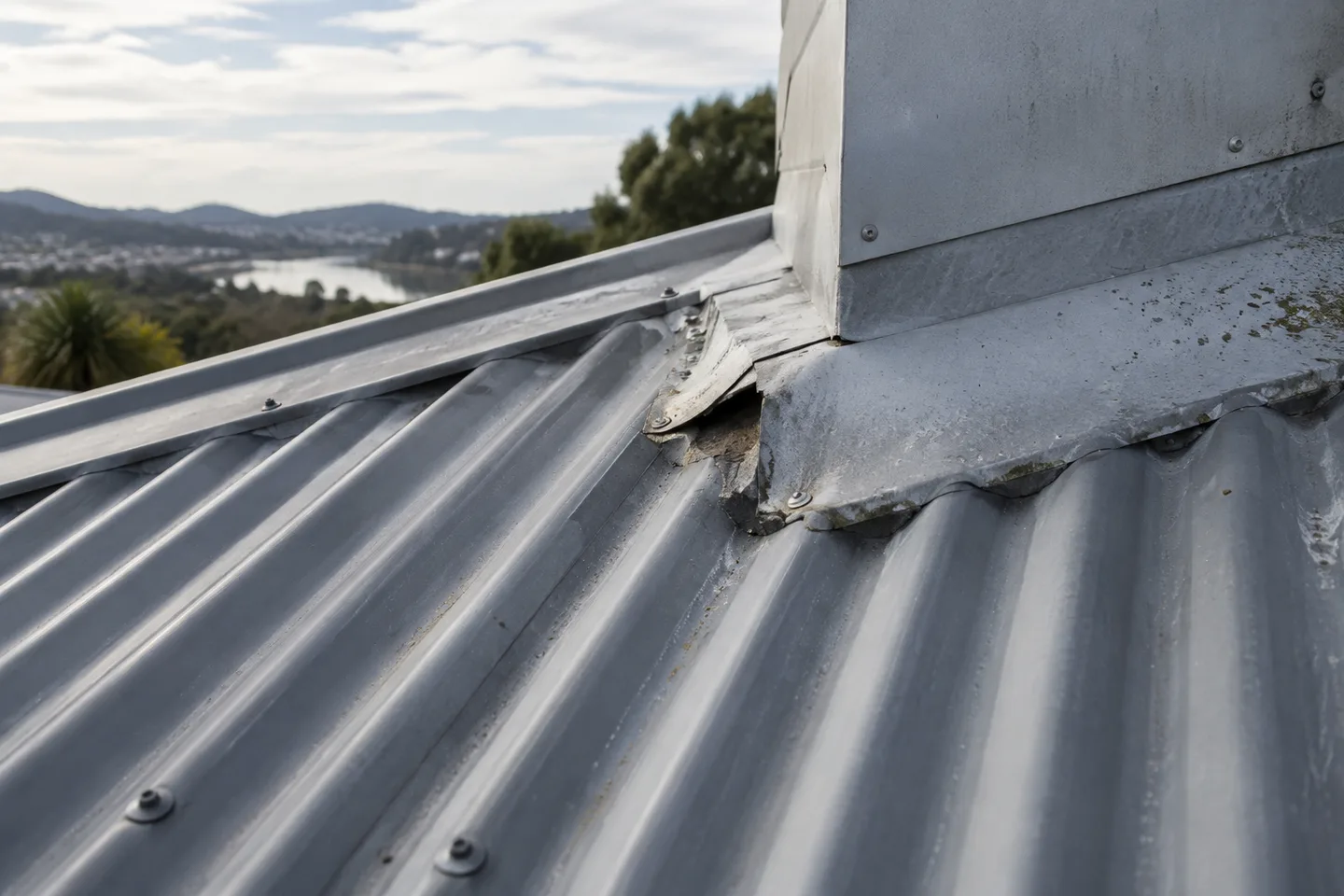
Let’s start with your property
Roof Repairs Whanganui
Not every roof problem calls for a full replacement — a lot of leaks, loose fixings and localised damage can be properly repaired if they're caught and addressed correctly. Whanganui roof repairs covers everything from a handful of loose screws to storm-damaged sheets, cracked flashings and isolated corrosion, assessed on-site before we recommend a fix. We look for the actual cause of a leak rather than just patching the visible symptom, since a repair that doesn't address the source tends to reappear within a season or two. Common repair calls include leaks around penetrations, lifted ridge capping, and rust starting at fixing points or roof edges. We'll always tell you honestly if a repair is the right call or if the roof's condition means a replacement will save you money over the next few years.
A clear scope. The right questions.
A considered next step.
What brought you here?
Why You Need A Roof Repairs Service in Whanganui
Loose or displaced flashing edges visible from the ground
Flashings hold the junctions where water is most concentrated, so a lifted edge lets rain track straight into the roof space. Whanganui roof repairs refix or replace that detail before wind works it further loose and the leak becomes structural.Localised corrosion around laps or fixings
Corrosion at laps and fixings means the protective coating has been breached, and it spreads outward from every affected point. Targeted Whanganui roof repairs treat or replace those areas early, while the surrounding sheets are still sound enough to save.Recurring leaks despite earlier patching
A leak that keeps coming back was never properly diagnosed, because the patch covered a symptom somewhere downstream of the real entry point. Whanganui roof repairs trace the actual water path first, so the fix holds instead of moving the problem along.The detail that matters
Roof Repairs Contractors in Whanganui: How We Work
Not every roof problem calls for a full replacement — a lot of leaks, loose fixings and localised damage can be properly repaired if they're caught and addressed correctly. Whanganui roof repairs covers everything from a handful of loose screws to storm-damaged sheets, cracked flashings and isolated corrosion, assessed on-site before we recommend a fix. We look for the actual cause of a leak rather than just patching the visible symptom, since a repair that doesn't address the source tends to reappear within a season or two. Common repair calls include leaks around penetrations, lifted ridge capping, and rust starting at fixing points or roof edges. We'll always tell you honestly if a repair is the right call or if the roof's condition means a replacement will save you money over the next few years.
Leak history
Record when water appears, the rain direction and any previous repairs.
Roof investigation
Check accessible flashings, sheet laps, penetrations and drainage paths.
Defined repair
Identify the component to be repaired and distinguish temporary measures from a durable repair.
Follow-up observations
Agree what to monitor and when further investigation may be needed.
Compare the scope
Quick Fix or Sign of a Bigger Problem?
Flashing or fixing repair
A local defect may suit a limited scope where surrounding materials remain serviceable.
Sheet replacement
A damaged sheet may need replacement rather than a surface patch. Matching profile and detailing need checking.
What sets us apart
Why Choose Our Whanganui Roof Repairs Experts?
- 01
We find the cause, not the symptom
A stain rarely sits below the leak. Our Whanganui roof repairs trace the actual water path first, so the repair addresses the entry point and the problem genuinely stops.
- 02
Honest repair-or-replace advice
If a repair won't last, we say so. You get a clear view of what the roof needs now and what it will need later, so you can spend sensibly.
- 03
Matched materials and details
Repairs are made with compatible profiles, flashings and fixings rather than whatever is nearest to hand, so the patched area performs like the rest of the roof around it.
- 04
Fast, practical response
Leaks get worse with every rainfall. We prioritise active water entry, make the building safe, then return with a durable fix once the source is properly confirmed.
What to expect on site
Before Our Whanganui Roofers Start: What Homeowners Should Know
Most roof repairs are quicker and less disruptive than a full re-roof, but we'll still confirm access needed for ladders, and let you know if any specific areas of the roof will be walked on during the job. Expect some noise from cutting or fixing work, though usually limited to a few hours rather than multiple days. If the repair involves a section directly above a bedroom or living space, we'll try to schedule around times that suit you where possible.
Weather matters here too — some repairs, particularly anything involving removing and refitting flashing or sheets, can't be done safely in heavy rain, so we may need to adjust timing if conditions turn. We'll always confirm before we arrive if the schedule needs to shift.
Questions about roof repairs
Frequently Asked Questions
Use these answers to prepare a brief for your property and clarify the proposed work.
Understanding Roof LeaksWhy does the leak only appear in some storms?
Wind direction, rainfall intensity and drainage conditions can affect water entry. A record of the conditions helps narrow the investigation but cannot diagnose the cause on its own.
Is sealant a lasting solution?
That depends on the joint and the cause. Sealant cannot substitute for every failed lap, corroded sheet or incorrectly formed flashing. Ask why the proposed repair suits the detail.
Do you offer emergency call-outs?
For urgent repairs, contact a provider with confirmed emergency availability directly and describe the issue from a safe position.
What should a roof repairs quote include?
Leak history: Record when water appears, the rain direction and any previous repairs. Roof investigation: Check accessible flashings, sheet laps, penetrations and drainage paths. Defined repair: Identify the component to be repaired and distinguish temporary measures from a durable repair. Follow-up observations: Agree what to monitor and when further investigation may be needed.
What options should I discuss before choosing the work?
Flashing or fixing repair: A local defect may suit a limited scope where surrounding materials remain serviceable. Sheet replacement: A damaged sheet may need replacement rather than a surface patch. Matching profile and detailing need checking.
What should I plan for before work begins?
Access equipment can be needed even for a small repair. Wet or windy conditions may prevent safe investigation. Keep away from wet electrical fittings and avoid climbing onto the roof to find a leak; arrange appropriate help for immediate hazards.
Connected to roof repairs
Other Roofing Services in Whanganui
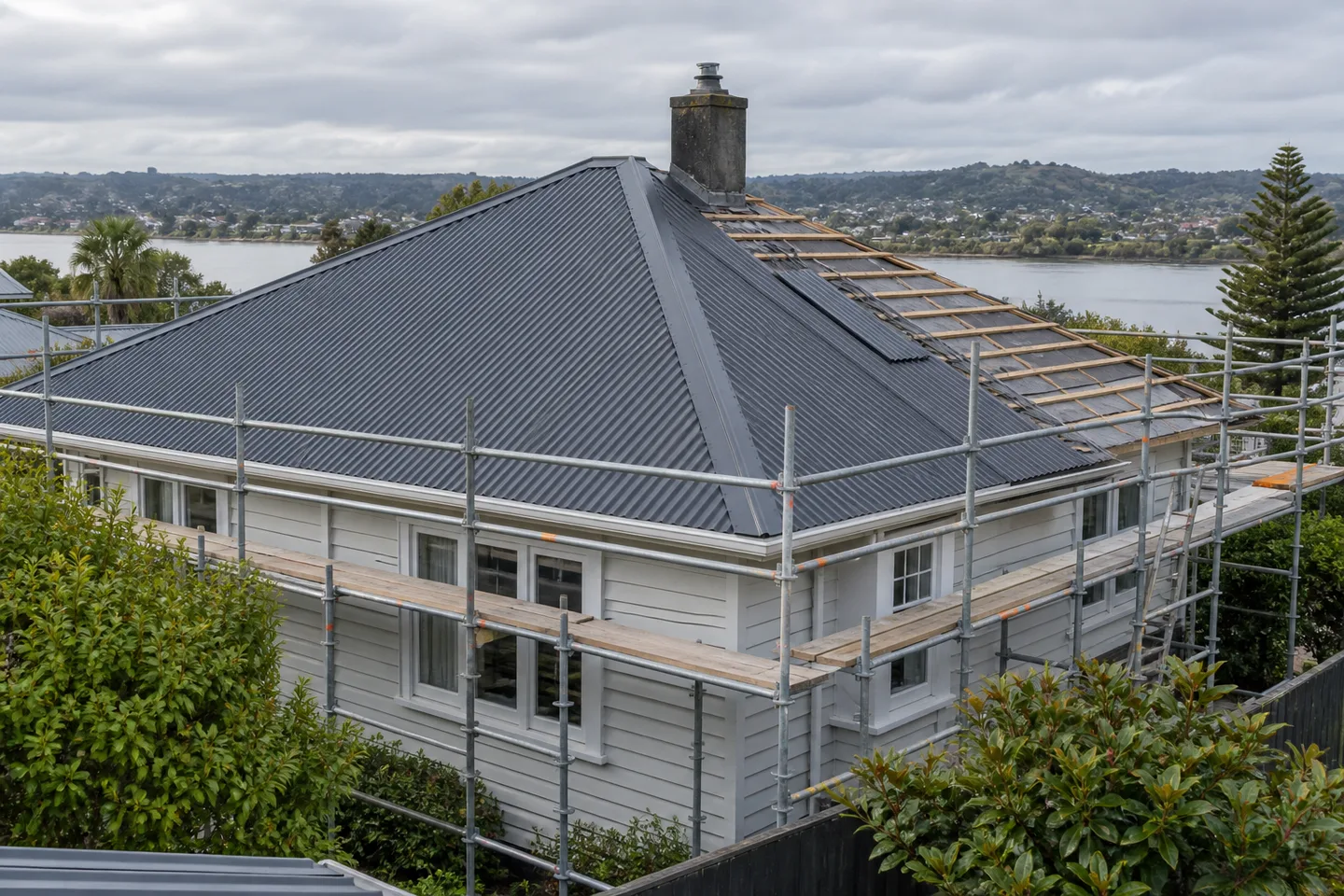
Roof Replacement
Plan a re-roof around the condition of your existing roof, the right materials and everyday life at home.
View service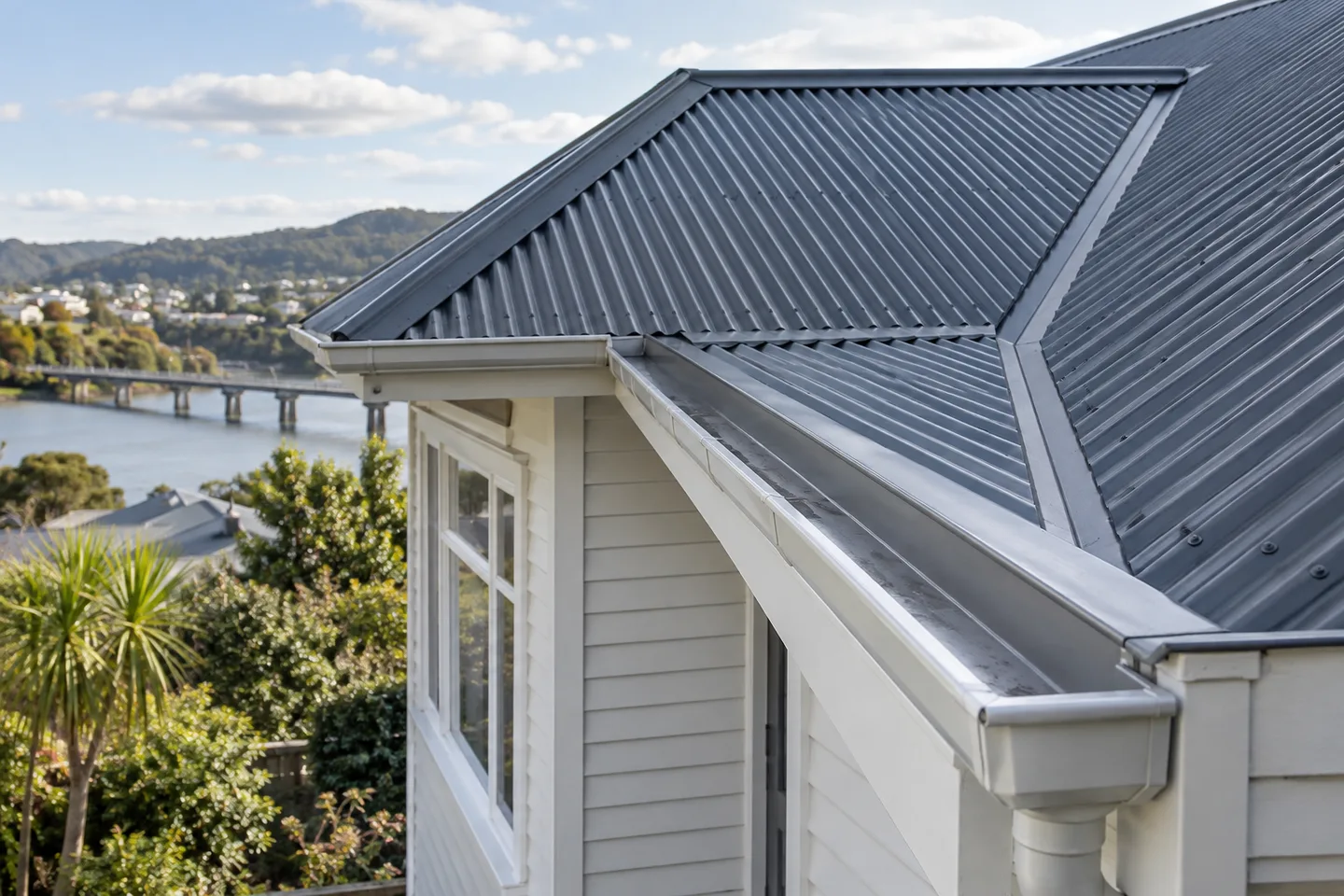
Roof Inspections & Maintenance
Build a practical picture of roof condition and prioritise maintenance before committing to major work.
View service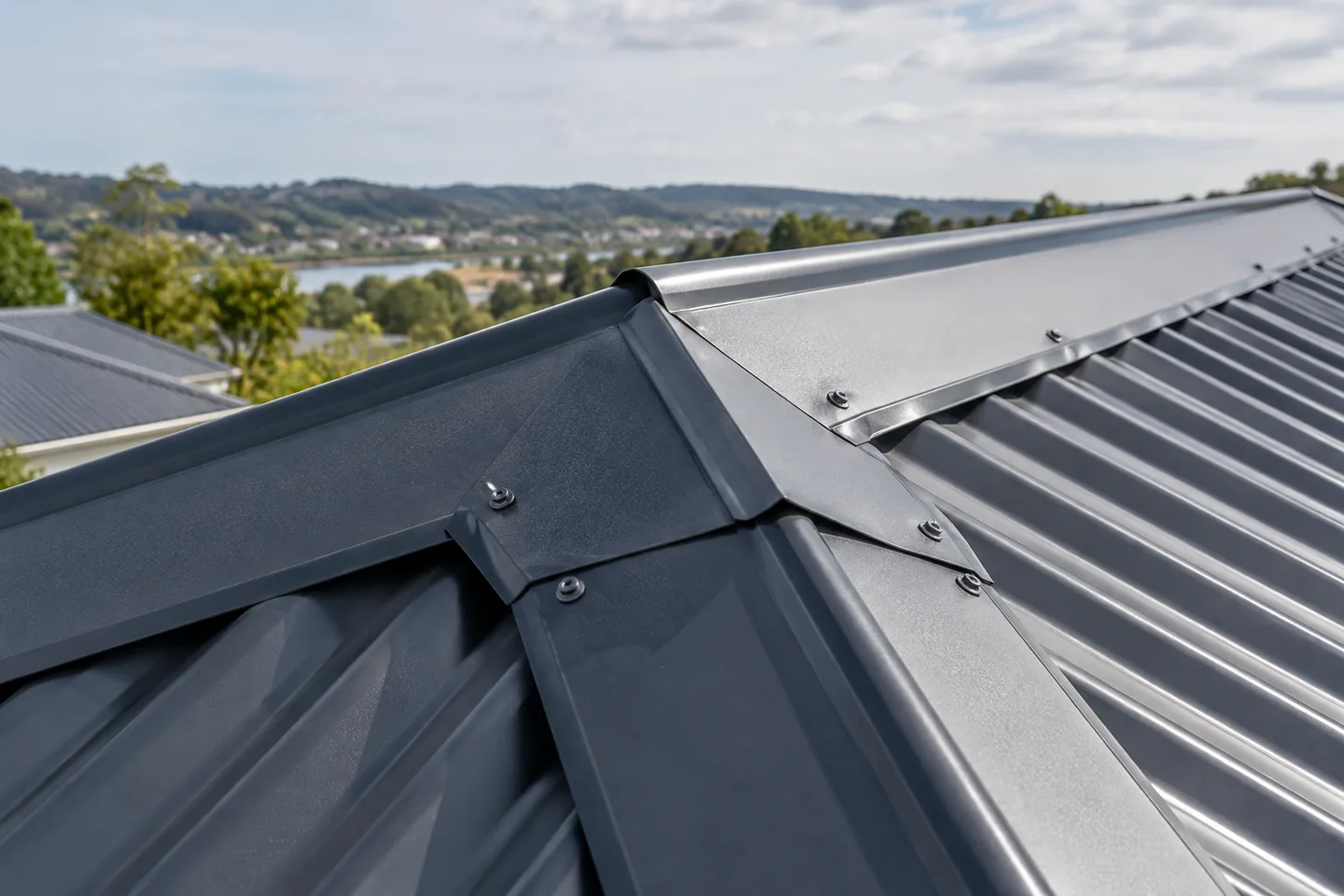
Flashings & Ridge Repairs
Focus on the junctions that keep roof edges, ridges and penetrations weather-resistant.
View serviceYour home. The next chapter.
Let’s get your roof right.
Start with your suburb, your roof concerns and what you want to achieve.