Material identification
Identify the roof material before disturbance. Suspect asbestos-containing material needs specialist assessment.
Repair & maintain
Roof Cleaning in Whanganui: select the cleaning method around the actual cladding, coating and rainwater collection arrangements.
06 880 1066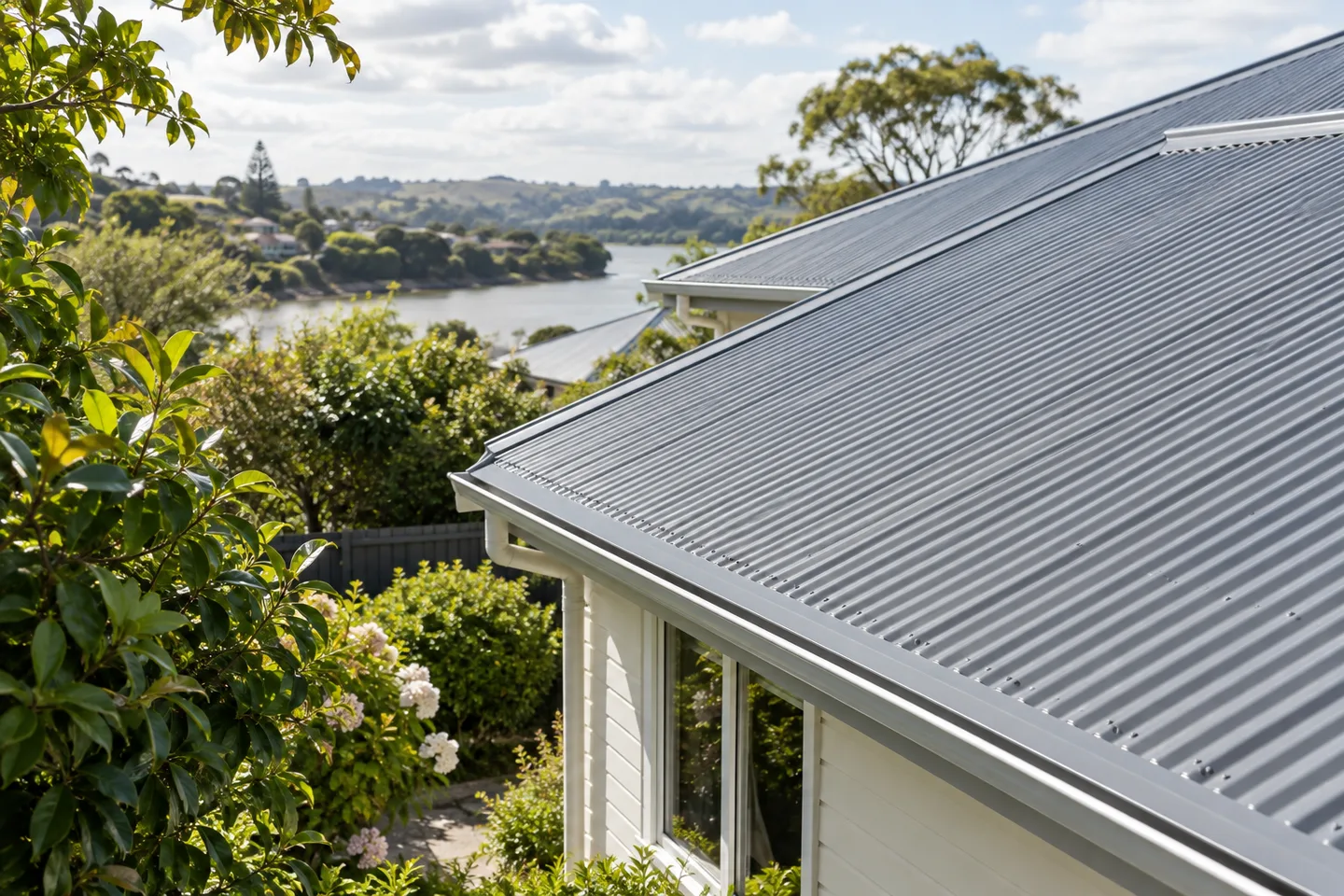
Let’s start with your property
A roof covered in moss, lichen, leaf debris or built-up grime isn't just an appearance issue — it holds moisture against the roofing material and accelerates wear over time. Whanganui roof cleaning covers a full wash-down using pressure and technique suited to your specific roofing material, since the wrong pressure or method can damage coatings or force water under sheet laps. We clear valleys and gutters of built-up debris as part of the job, since that's usually where moisture sits longest and causes the most damage. Regular cleaning, roughly every one to two years depending on how shaded or exposed your roof is, keeps coatings performing as intended and makes it much easier to spot early rust or damage during the process. It's a straightforward job that pays for itself in extended roof life, particularly on shaded or tree-lined properties.
A clear scope. The right questions.
A considered next step.
Start with an observation
01Debris collecting on roof areasDebris holds moisture against the roof long after rain has stopped, and that constant dampness is what drives corrosion. Whanganui roof cleaning removes it and clears the valleys and gutters where it gathers most persistently.
02Surface grime in sheltered zonesSheltered areas never get washed by rain, so salt and grime build up and accelerate wear exactly where nobody looks. Whanganui roof cleaning reaches those zones using methods matched to your roofing material and its coating.
03A maintenance programme due for reviewCleaning is the point where early rust, loose fixings and failing seals become visible while they're still cheap to address. Whanganui roof cleaning turns routine maintenance into an inspection opportunity rather than just a cosmetic improvement.
Scope notebook
Identify the roof material before disturbance. Suspect asbestos-containing material needs specialist assessment.
Agree a method supported by the roof or coating supplier; do not assume high-pressure cleaning is suitable.
Discuss rainwater tanks, gardens and where cleaning runoff will go.
Arrange competent access and keep occupants clear of the work area.
Why work with us
The wrong pressure damages coatings or forces water under laps. We match technique to your specific roofing material, so cleaning protects the roof rather than shortening its life.
Debris does the most damage where it sits longest. Valleys, gutters and sheltered zones are cleared as part of the job, not treated as a separate visit.
Cleaning puts us across the whole roof, so early rust, loose fixings and failing seals get reported while they are still inexpensive to put right.
Trapped moisture and grime are what drive corrosion. Regular cleaning keeps coatings performing as intended, which is considerably cheaper than bringing forward a full roof replacement.
Two ways to frame the work
Discuss routine surface care when the assessment supports a defined scope. Ask which adjoining components can remain and how the new work will connect.
Consider targeted debris removal when the existing condition or project brief needs a wider approach. Confirm access, interfaces and exclusions before accepting the proposal.
What to expect on site
Roof cleaning is one of our lower-disruption services, generally completed in a single visit with equipment set up around the property to reach all roof areas safely. We'll confirm access needed for hoses or pressure washing equipment, and flag if any garden beds or outdoor areas near the roofline need temporary protection from runoff. Noise is moderate during the wash itself but doesn't extend beyond the visit.
We generally avoid cleaning in heavy rain, not because it damages anything, but because visibility and safety on a wet roof are reduced — light rain beforehand or afterward isn't usually an issue. We'll confirm timing with you and let you know roughly how long the visit will take based on your roof size.
Questions about roof cleaning
Use these answers to prepare a brief for your property and clarify the proposed work.
What Affects a Roofing Quote?Describe debris collecting on roof areas or the change you are planning. Existing reports, approximate age and safe photographs help establish what needs assessment.
Material identification, Cleaning compatibility, Runoff management, Access planning all matter. The condition of adjoining materials and the practical access arrangement can expand or limit the proposed work.
Ask whether related work can share access or preparation. Keep the components, responsibilities and exclusions itemised so you can compare the combined proposal.
Material identification: Identify the roof material before disturbance. Suspect asbestos-containing material needs specialist assessment. Cleaning compatibility: Agree a method supported by the roof or coating supplier; do not assume high-pressure cleaning is suitable. Runoff management: Discuss rainwater tanks, gardens and where cleaning runoff will go. Access planning: Arrange competent access and keep occupants clear of the work area.
Routine surface care: Discuss routine surface care when the assessment supports a defined scope. Ask which adjoining components can remain and how the new work will connect. Targeted debris removal: Consider targeted debris removal when the existing condition or project brief needs a wider approach. Confirm access, interfaces and exclusions before accepting the proposal.
For roof cleaning, discuss runoff management and access planning early. Access, weather and adjoining building work can affect the sequence. Confirm material availability and how unexpected conditions will be priced before work starts.
Connected to roof cleaning
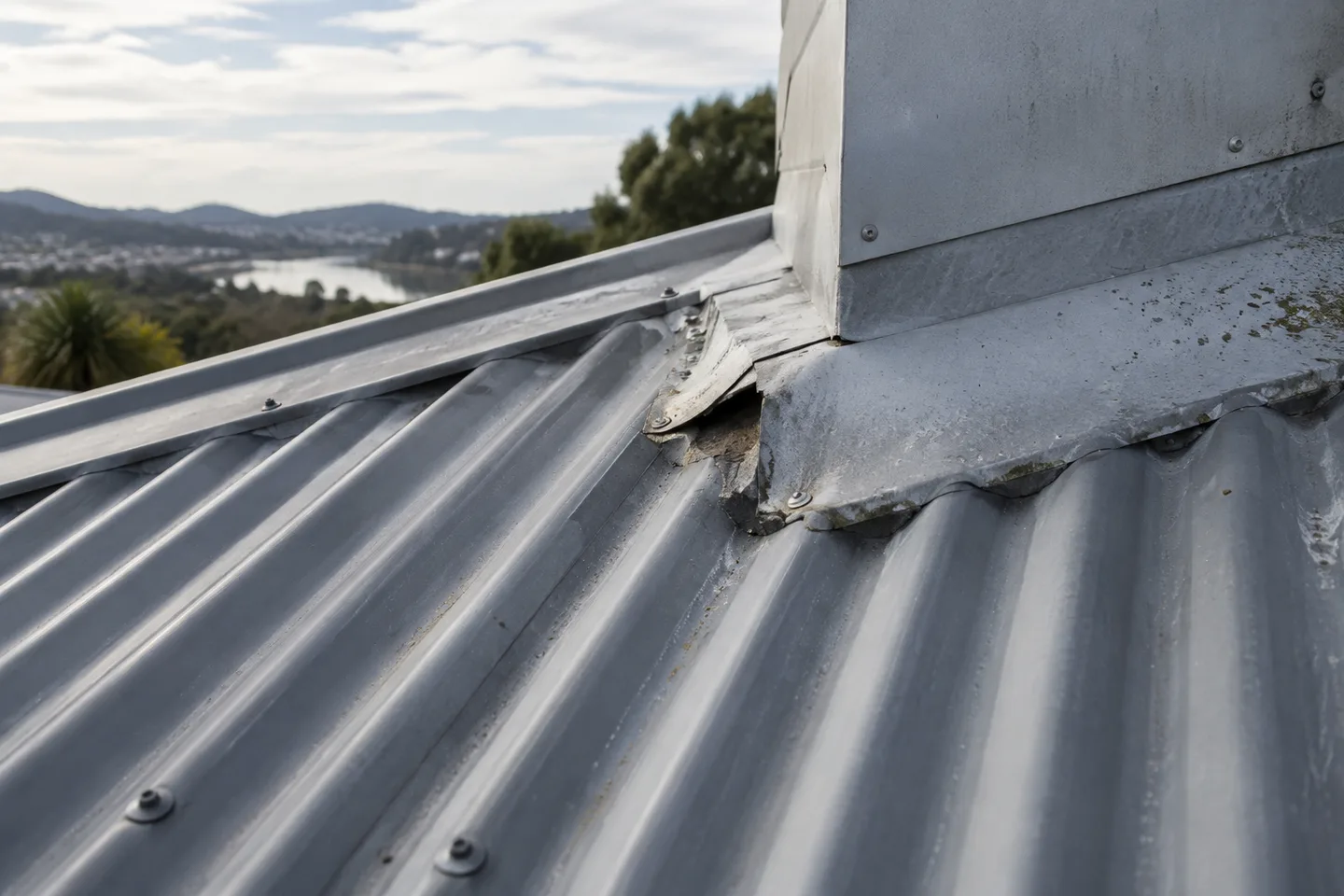
Understand leaks, damaged sheets and tired junctions before choosing a targeted repair.
View service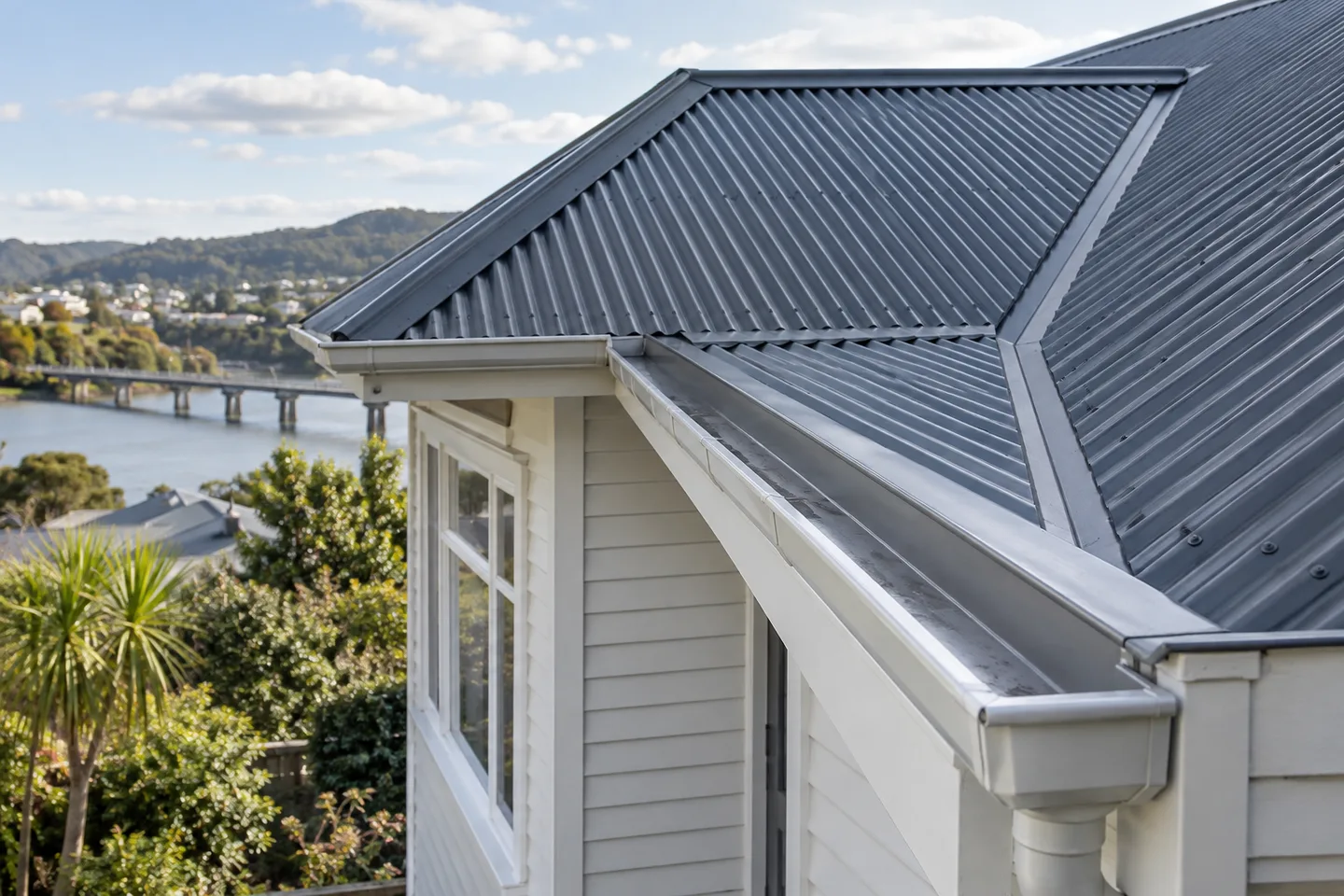
Build a practical picture of roof condition and prioritise maintenance before committing to major work.
View service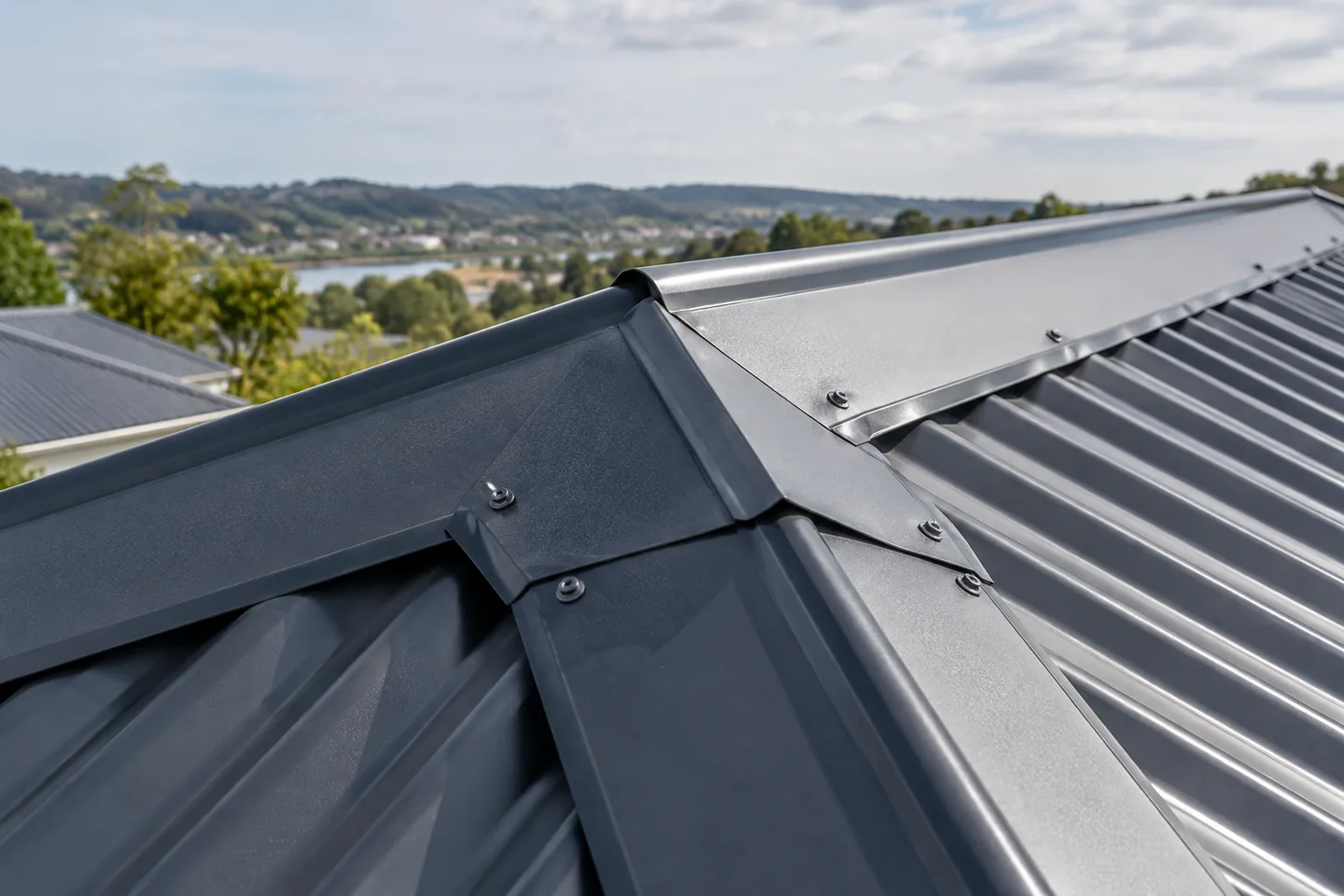
Focus on the junctions that keep roof edges, ridges and penetrations weather-resistant.
View serviceYour home. The next chapter.
Start with your suburb, your roof concerns and what you want to achieve.