Upstream detail
Inspect the uphill junction where runoff approaches the chimney.
Roof junctions
Chimney Flashing Repairs in Whanganui: a chimney leak investigation should consider the roof flashings and chimney condition together.
06 880 1066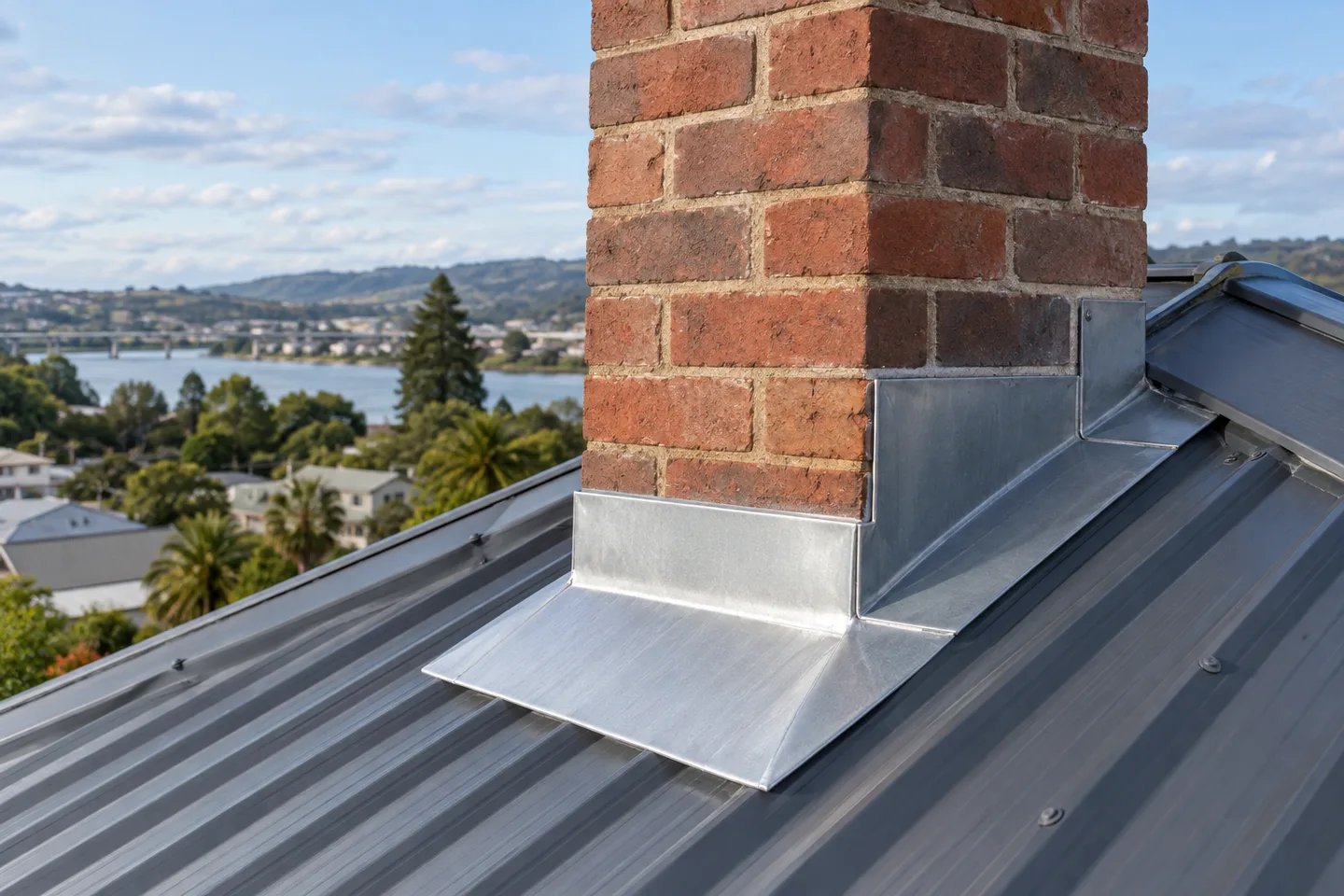
Let’s start with your property
Chimneys are one of the most common sources of roof leaks, since the junction between a masonry or metal chimney and the surrounding roof material is inherently harder to seal than a flat roof surface. Whanganui chimney flashing repairs covers resealing, refitting or replacing flashing around chimney bases, including apron, step and cover flashings depending on the chimney's construction and the roof pitch it sits on. We check for cracked mortar or render at the chimney base as well as the flashing itself, since masonry deterioration is a common contributing factor to chimney leaks that flashing repair alone won't fully resolve. This is a job worth having assessed properly rather than just resealing visible gaps, since chimney leaks that go unaddressed can lead to significant water damage in the ceiling and wall cavity around the chimney breast over time.
A clear scope. The right questions.
A considered next step.
Start with an observation
01Stains around a chimney breastChimneys interrupt the roof plane and concentrate water around their base, making them one of the most common leak sources. Whanganui chimney flashing repairs address the junction and the masonry condition contributing to it.
02Old patching at chimney cornersCorners are the hardest part of a chimney to seal, which is why they attract repeated patching rather than a proper fix. Whanganui chimney flashing repairs fit correctly formed apron, step and cover flashings instead.
03Corroded metal around the chimney baseMetal at the chimney base sits in a wet, sheltered position where it corrodes faster than the open roof. Whanganui chimney flashing repairs replace it before water reaches the ceiling and wall cavity behind the breast.
Scope notebook
Inspect the uphill junction where runoff approaches the chimney.
Include both side junctions and the lower apron in the condition assessment.
Distinguish masonry or chimney-top concerns from defects in the roof flashings.
State whether masonry repairs or other specialist work require a separate contractor.
Why work with us
Chimney leaks are often part flashing and part cracked mortar. We check both, so the repair addresses the whole cause rather than half of it.
Chimney junctions need properly shaped flashings, not sealant at the corners. We fit the right components for the chimney's construction and the pitch it sits on.
Corners are where chimney flashing most often fails and where repeated patching accumulates. We detail them properly, because that's what stops the leak returning.
An unaddressed chimney leak damages the ceiling and wall cavity around the breast. We treat it as a priority, since the internal repair costs far more than the flashing.
Two ways to frame the work
Discuss flashing renewal when the assessment supports a defined scope. Ask which adjoining components can remain and how the new work will connect.
Consider wider chimney investigation when the existing condition or project brief needs a wider approach. Confirm access, interfaces and exclusions before accepting the proposal.
What to expect on site
Chimney flashing repairs are focused on the base of your chimney, so expect activity limited to that specific junction rather than across the wider roof, typically completed within a few hours depending on the chimney's construction. We'll confirm access needed to reach the chimney safely, and let you know if we need to check mortar or render condition alongside the flashing itself. Noise is minimal to moderate, from resealing or refitting work.
Because this junction is exposed while flashing is removed or resealed, we avoid this work in wet weather to prevent moisture entering during the repair. We'll confirm timing once conditions look settled enough to complete and properly seal the repair in one visit.
Questions about chimney flashing repairs
Use these answers to prepare a brief for your property and clarify the proposed work.
What Affects a Roofing Quote?Describe stains around a chimney breast or the change you are planning. Existing reports, approximate age and safe photographs help establish what needs assessment.
Upstream detail, Side flashings, Masonry condition, Other-trade boundaries all matter. The condition of adjoining materials and the practical access arrangement can expand or limit the proposed work.
Ask whether related work can share access or preparation. Keep the components, responsibilities and exclusions itemised so you can compare the combined proposal.
Upstream detail: Inspect the uphill junction where runoff approaches the chimney. Side flashings: Include both side junctions and the lower apron in the condition assessment. Masonry condition: Distinguish masonry or chimney-top concerns from defects in the roof flashings. Other-trade boundaries: State whether masonry repairs or other specialist work require a separate contractor.
Flashing renewal: Discuss flashing renewal when the assessment supports a defined scope. Ask which adjoining components can remain and how the new work will connect. Wider chimney investigation: Consider wider chimney investigation when the existing condition or project brief needs a wider approach. Confirm access, interfaces and exclusions before accepting the proposal.
For chimney flashing repairs, discuss masonry condition and other-trade boundaries early. Access, weather and adjoining building work can affect the sequence. Confirm material availability and how unexpected conditions will be priced before work starts.
Connected to chimney flashing repairs
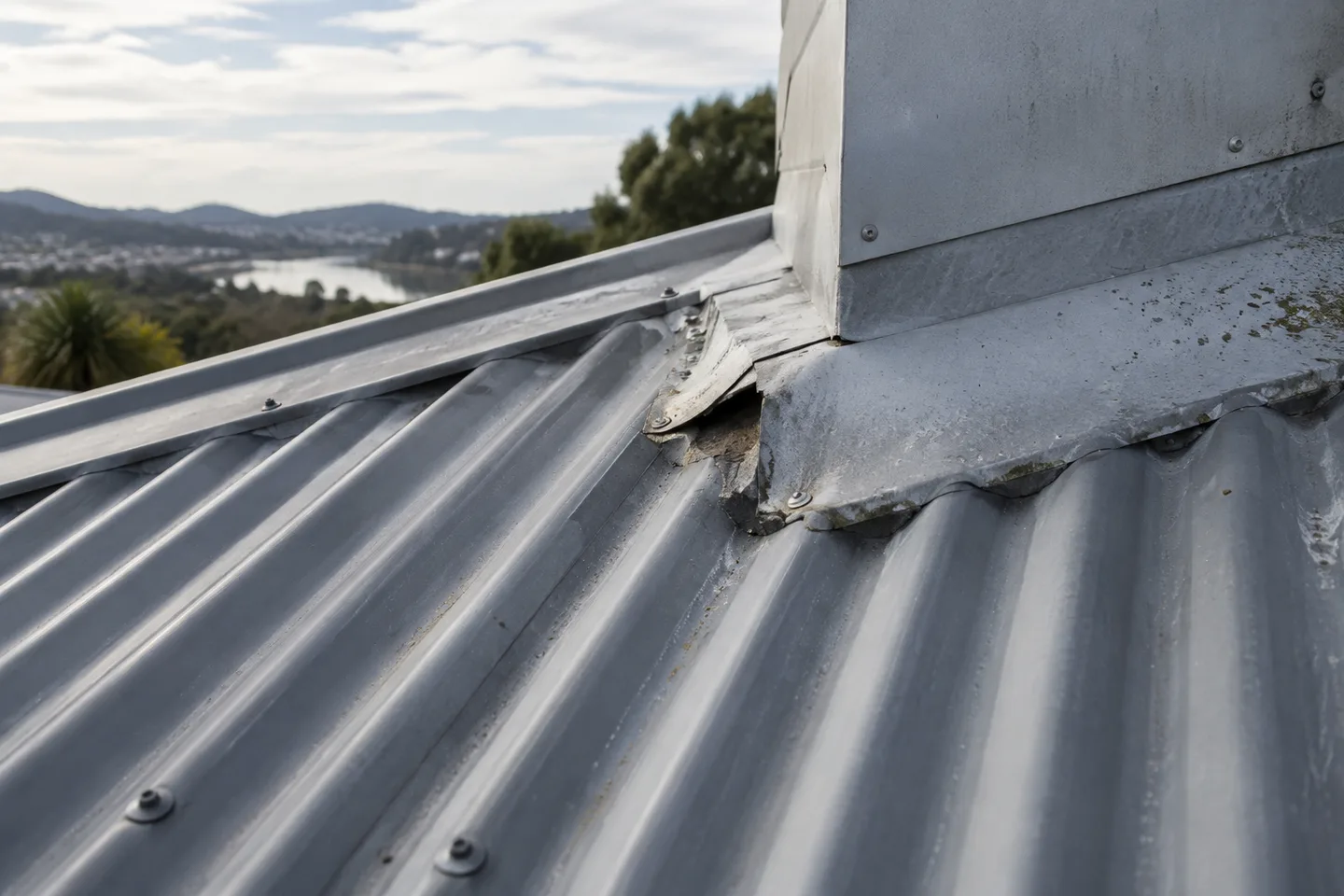
Understand leaks, damaged sheets and tired junctions before choosing a targeted repair.
View service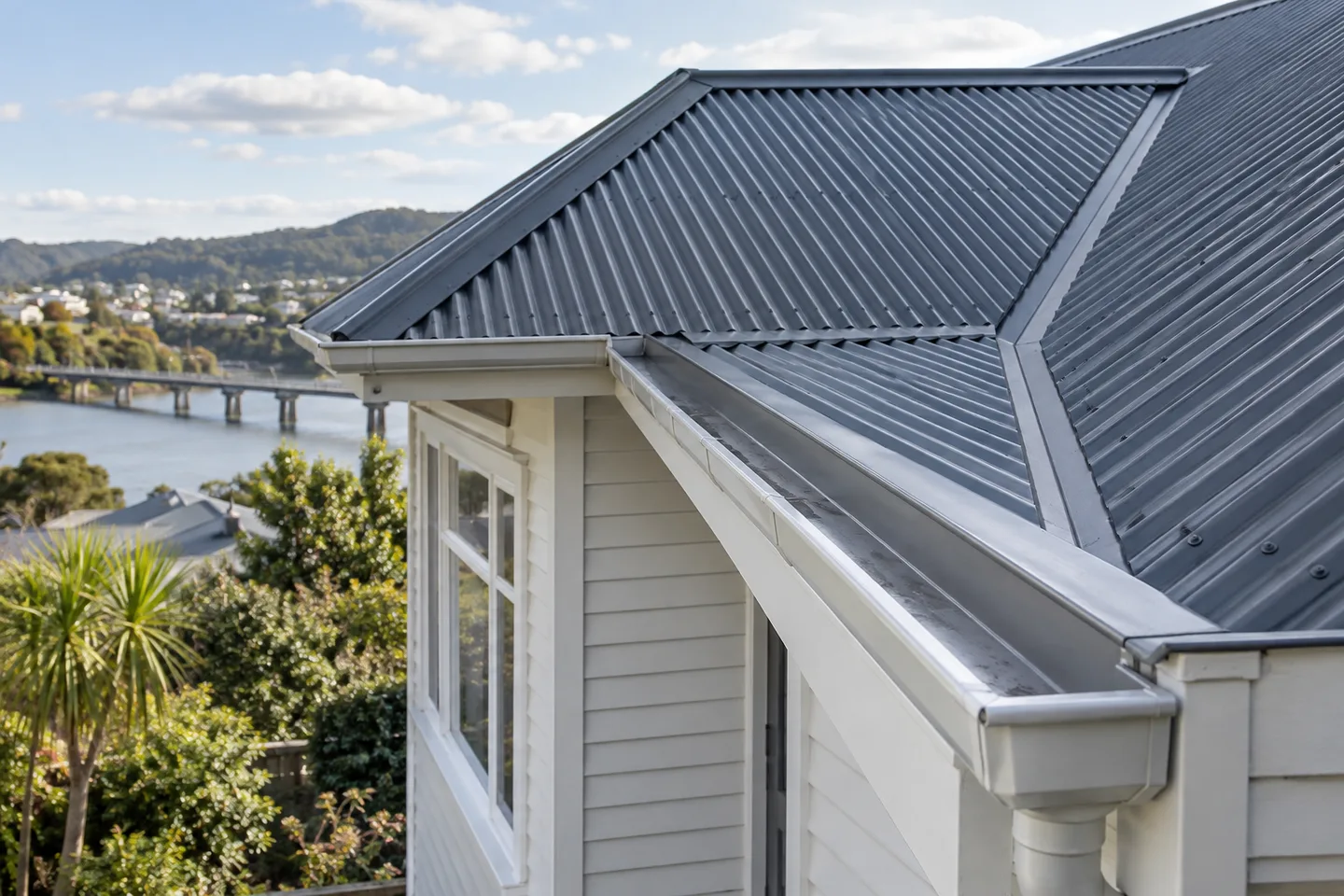
Build a practical picture of roof condition and prioritise maintenance before committing to major work.
View service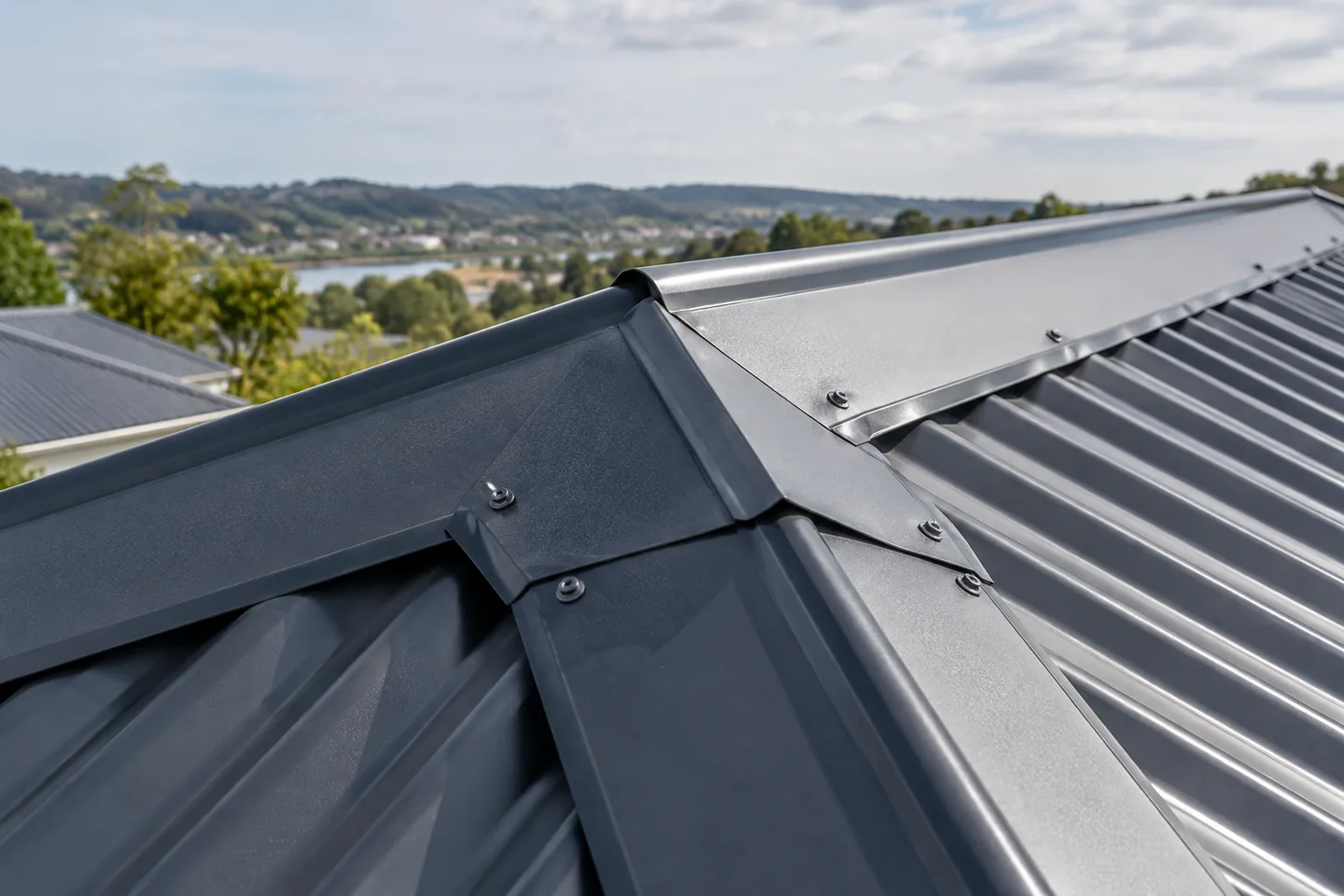
Focus on the junctions that keep roof edges, ridges and penetrations weather-resistant.
View serviceYour home. The next chapter.
Start with your suburb, your roof concerns and what you want to achieve.