Joint condition
Locate leaking joints and check whether surrounding gutter material is serviceable.
Roof drainage
Gutter Repairs in Whanganui: a gutter repair should distinguish failed joints from support problems and drainage restrictions.
06 880 1066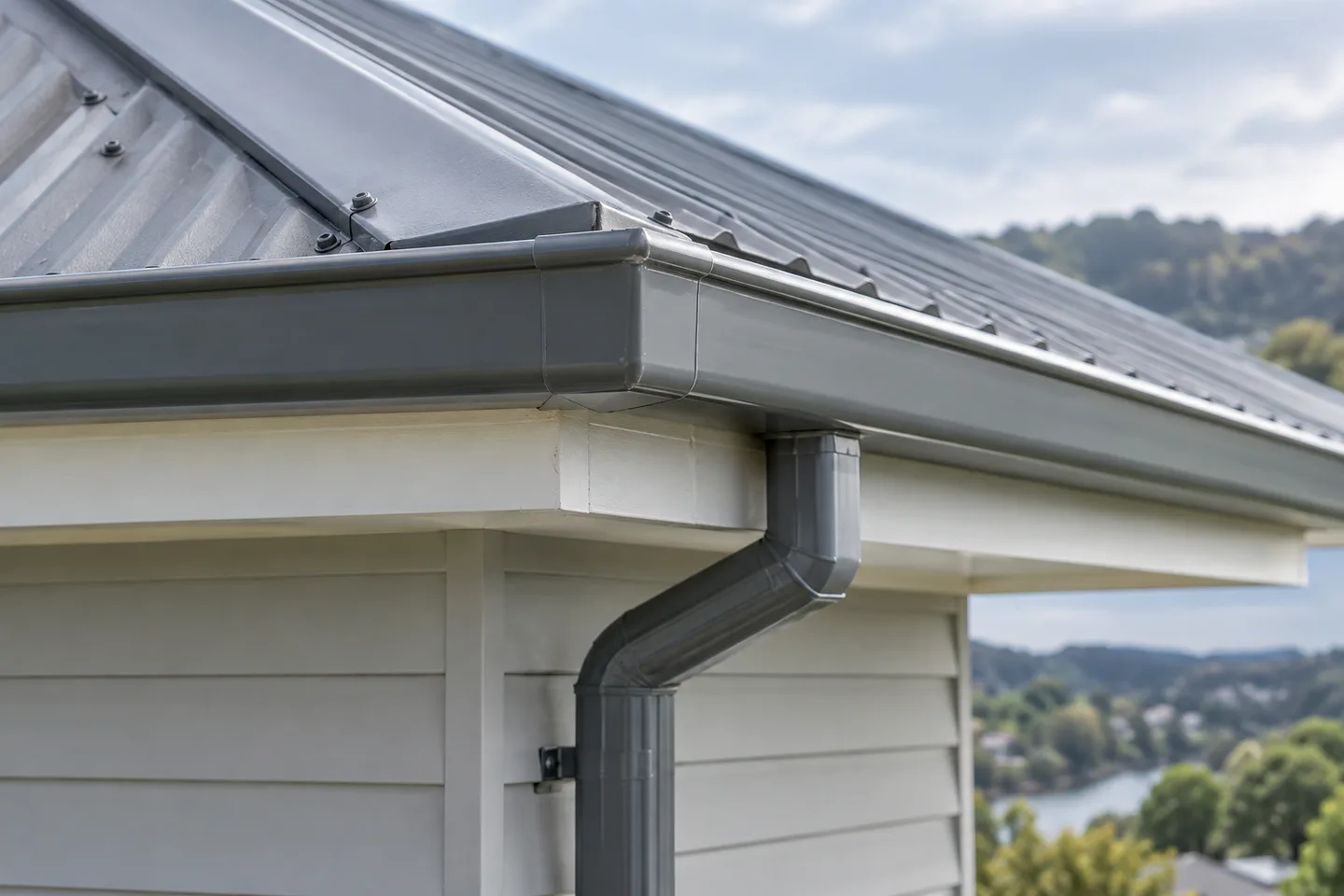
Let’s start with your property
Not every gutter problem needs full replacement — sagging brackets, small leaks at joins, and localised rust can often be properly repaired at a fraction of the cost. Whanganui gutter repairs covers refixing sagging sections, resealing leaking joins, patching or replacing damaged lengths, and correcting fall where water is pooling instead of draining. We assess whether a repair will genuinely last or whether it's a temporary fix ahead of a bigger job, since gutters showing widespread corrosion are rarely worth repairing piece by piece. Common repair calls include gutters overflowing during heavy rain, visible sagging between brackets, and rust holes that have started letting water through onto fascia or cladding below. We'll give you an honest assessment of repair versus replacement based on the gutter's overall condition, not just the specific issue you've called about.
A clear scope. The right questions.
A considered next step.
Is this your starting point?
Drips from a gutter jointA dripping joint puts water onto fascia, cladding and foundations continuously rather than carrying it safely away. Whanganui gutter repairs reseal or replace that connection while the rest of the run is still sound.
One sagging gutter sectionA single sagging section usually means a failed bracket or fixing base rather than a system at the end of its life. Whanganui gutter repairs correct the fall locally, which is far cheaper than full replacement.
Overflow at a particular cornerOverflow in one place points to a blockage, an undersized outlet or a fall problem at that specific point. Whanganui gutter repairs diagnose which it is, so the fix matches the cause rather than replacing sound guttering.
A closer look at the scope
Locate leaking joints and check whether surrounding gutter material is serviceable.
Assess loose supports and their fixing base where a run has sagged.
Review the gutter alignment rather than assuming every overflow begins with a blockage.
Check the outlet and connected downpipe as part of tracing the problem.
Your options
Discuss joint repair when the assessment supports a defined scope. Ask which adjoining components can remain and how the new work will connect.
Consider short-section replacement when the existing condition or project brief needs a wider approach. Confirm access, interfaces and exclusions before accepting the proposal.
Reasons to choose us
Not every gutter problem needs full replacement. Where the run is otherwise sound, we fix the specific fault at a fraction of what a replacement would cost.
Overflow at one corner means a blockage, an undersized outlet or a fall problem. We identify which, so the fix matches the cause rather than replacing sound guttering.
If a repair will only buy a season, we say so. You get a clear view of whether to repair now or plan replacement instead.
A sagging section usually means a failed bracket or fixing base. We restore correct fall so water drains properly, rather than resealing a joint that will fail again.
What to expect on site
Gutter repairs are generally targeted and quick, limited to specific sections rather than the whole roofline, so expect activity in one or two areas for a matter of hours. We'll confirm ladder access to the relevant sections and let you know if any materials need to be sourced before the repair can be completed. Noise is minimal, mostly from refitting brackets or resealing joins.
This work can often proceed in light rain since it's a smaller, more contained job than full replacement, though we'll avoid working at height in heavy rain or high wind for safety. We'll confirm the visit once we've assessed what the repair actually needs, since some issues are quicker to fix than others.
Questions about gutter repairs
Use these answers to prepare a brief for your property and clarify the proposed work.
Maintaining Gutters & DownpipesDescribe drips from a gutter joint or the change you are planning. Existing reports, approximate age and safe photographs help establish what needs assessment.
Joint condition, Bracket spacing assessment, Gutter alignment, Outlet checks all matter. The condition of adjoining materials and the practical access arrangement can expand or limit the proposed work.
Ask whether related work can share access or preparation. Keep the components, responsibilities and exclusions itemised so you can compare the combined proposal.
Joint condition: Locate leaking joints and check whether surrounding gutter material is serviceable. Bracket spacing assessment: Assess loose supports and their fixing base where a run has sagged. Gutter alignment: Review the gutter alignment rather than assuming every overflow begins with a blockage. Outlet checks: Check the outlet and connected downpipe as part of tracing the problem.
Joint repair: Discuss joint repair when the assessment supports a defined scope. Ask which adjoining components can remain and how the new work will connect. Short-section replacement: Consider short-section replacement when the existing condition or project brief needs a wider approach. Confirm access, interfaces and exclusions before accepting the proposal.
For gutter repairs, discuss gutter alignment and outlet checks early. Access, weather and adjoining building work can affect the sequence. Confirm material availability and how unexpected conditions will be priced before work starts.
Connected to gutter repairs
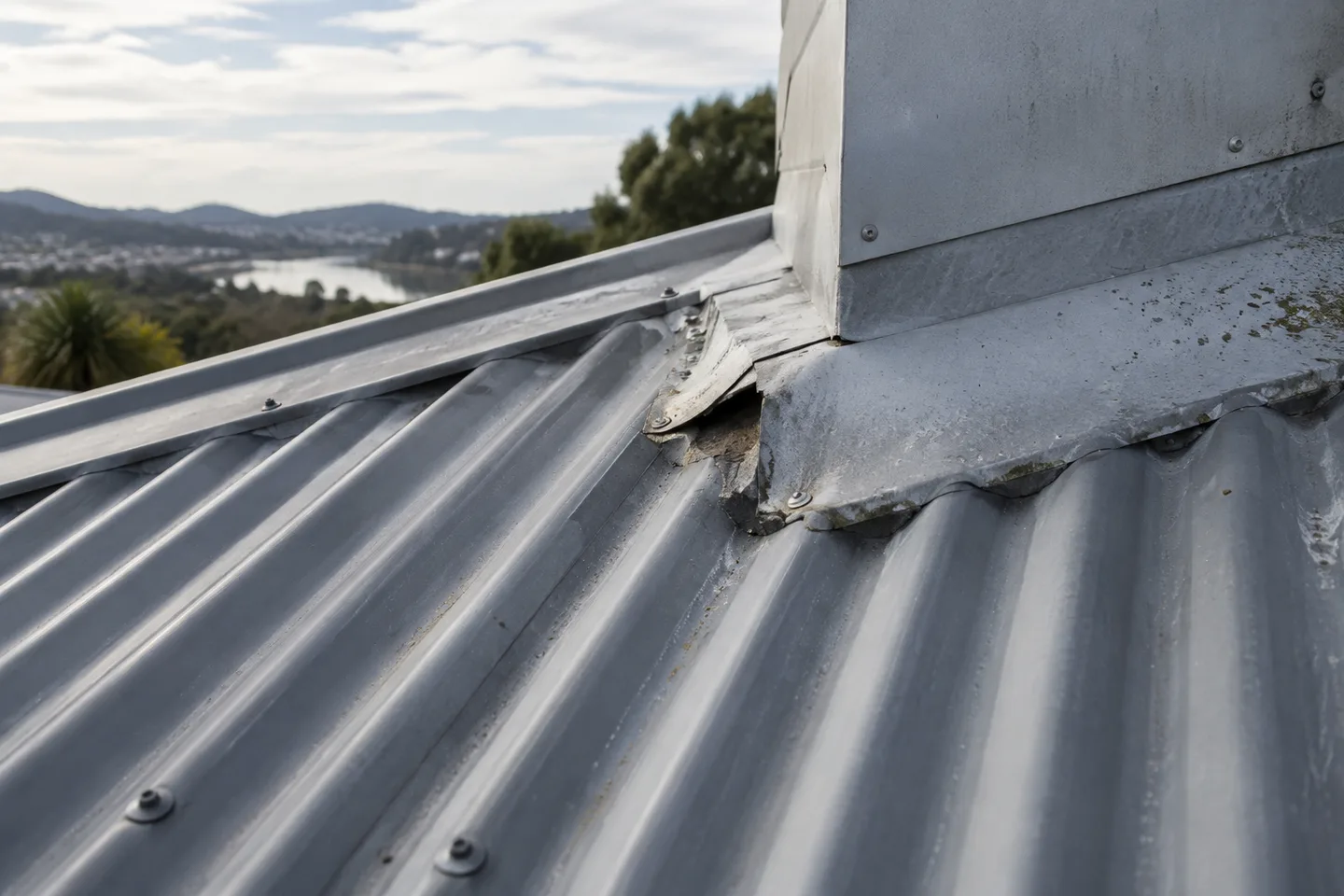
Understand leaks, damaged sheets and tired junctions before choosing a targeted repair.
View service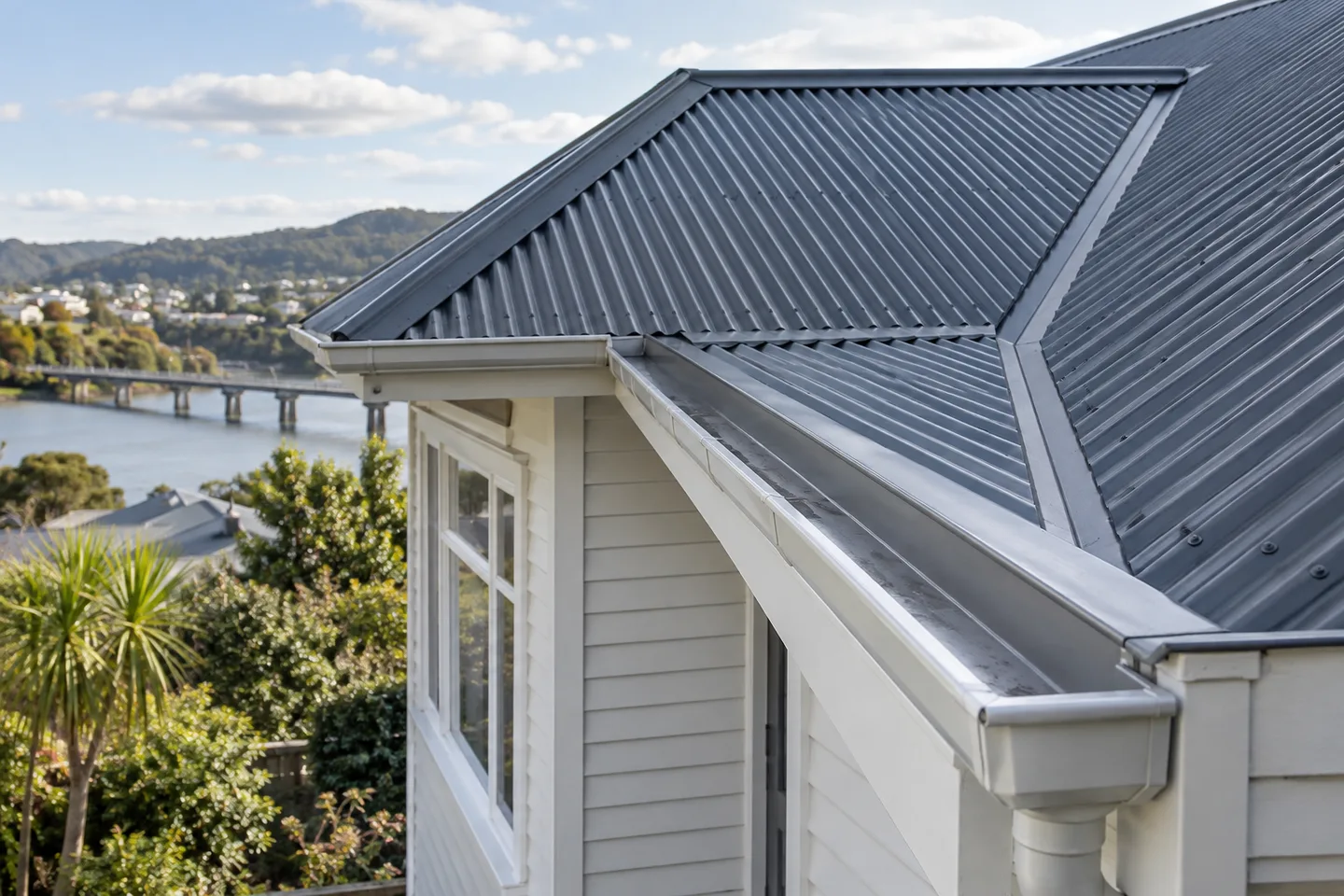
Build a practical picture of roof condition and prioritise maintenance before committing to major work.
View service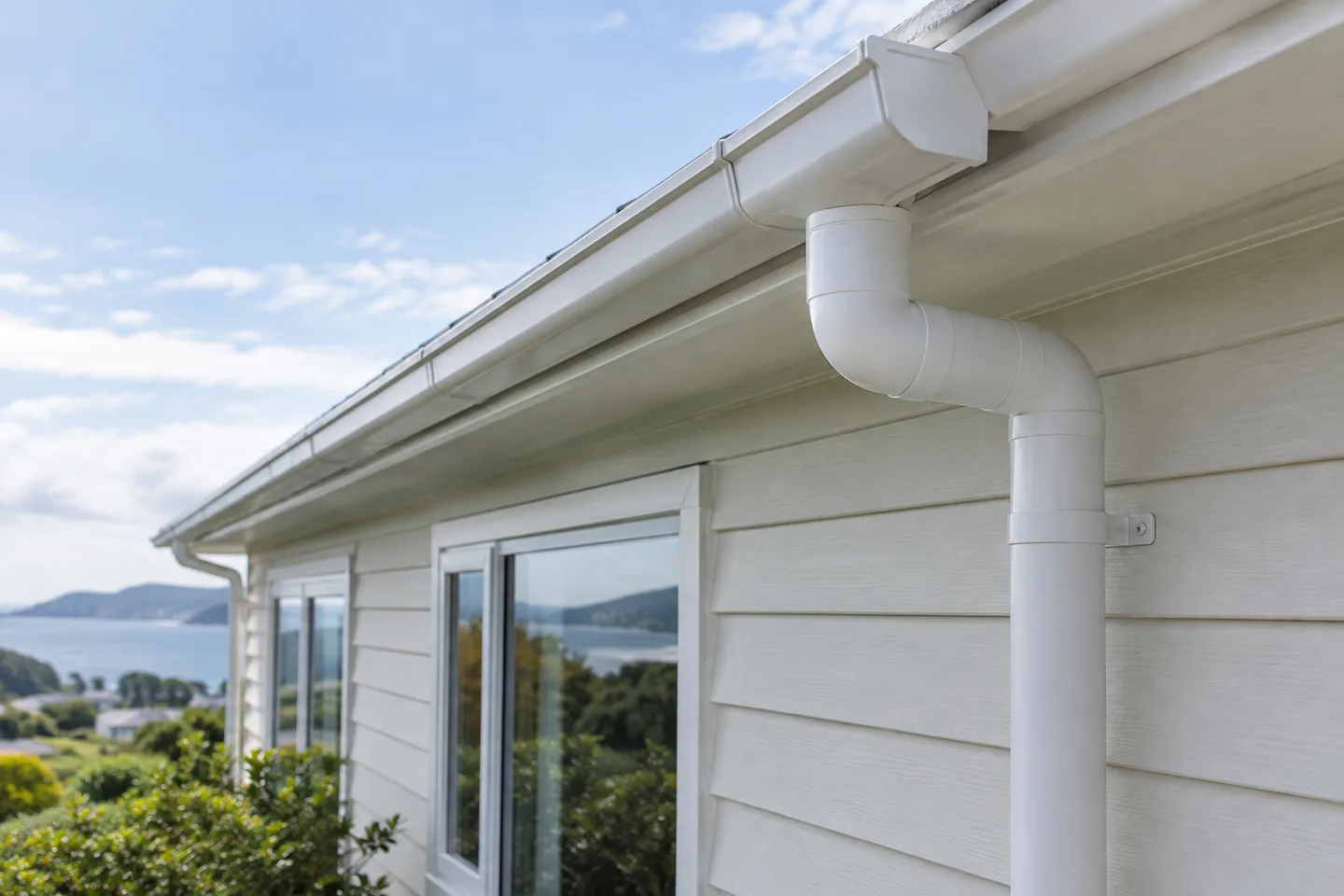
Consider gutters, outlets, downpipes and fascia together to understand roof drainage problems.
View serviceYour home. The next chapter.
Start with your suburb, your roof concerns and what you want to achieve.