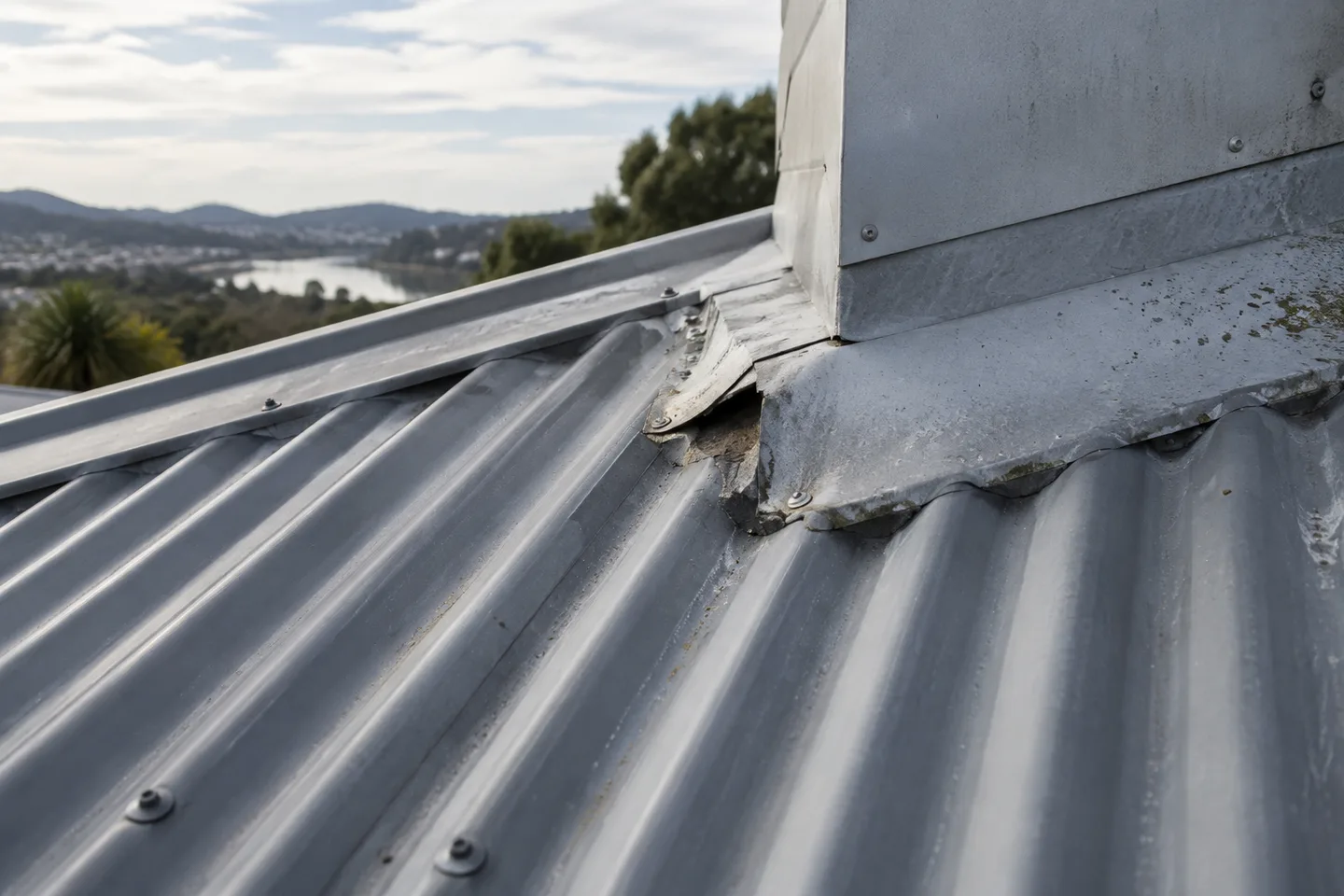
Roof Repairs
Understand leaks, damaged sheets and tired junctions before choosing a targeted repair.
View serviceRoof drainage
Box Gutter Assessment in Whanganui: internal and box gutters need a system-specific assessment of condition, outlets and overflow arrangements.
06 880 1066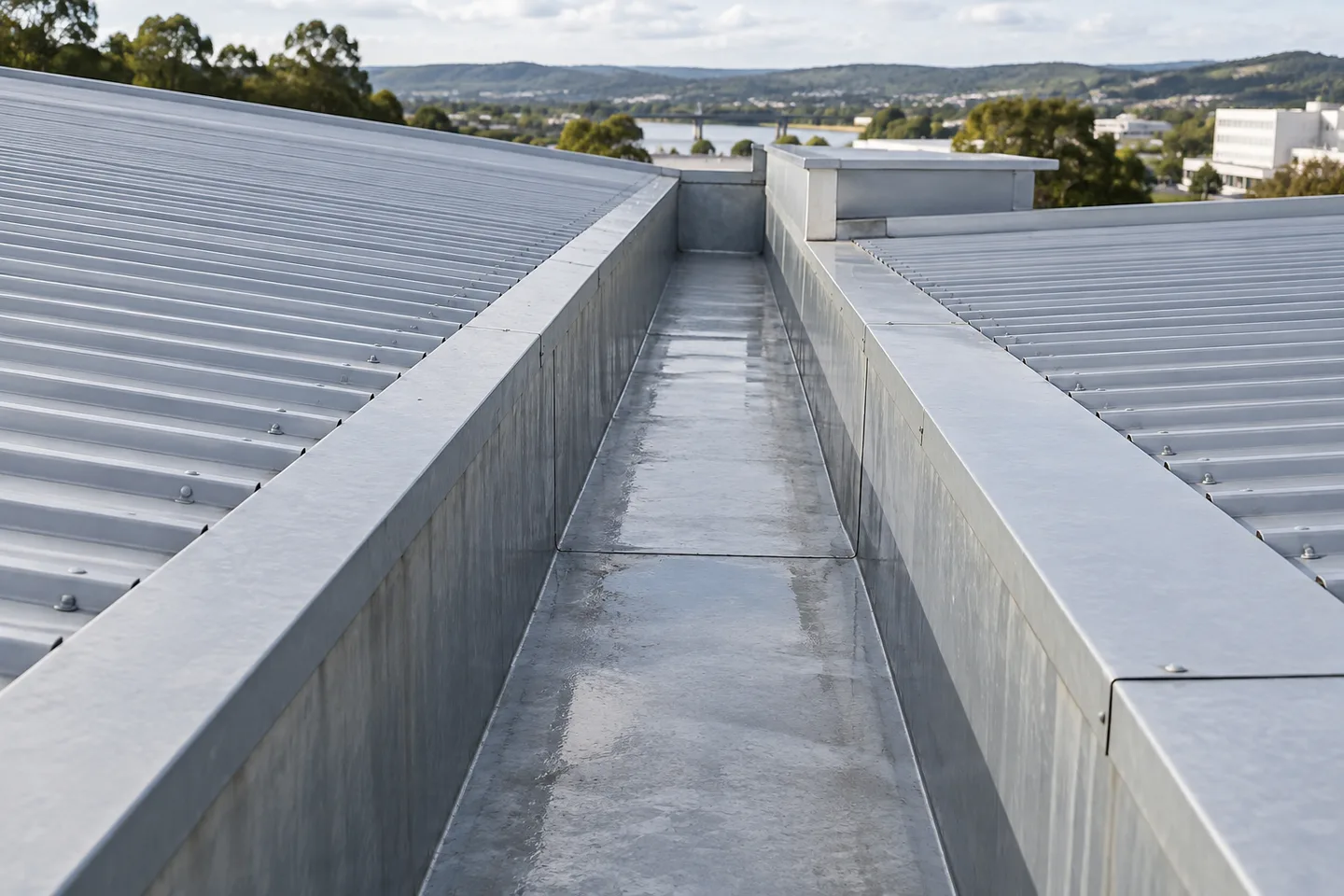
Let’s start with your property
Box gutters sit differently to standard spouting — recessed into the roofline rather than hanging off the edge — which makes them prone to problems that aren't always visible from the ground. Whanganui box gutter assessment covers checking fall, outlet capacity, lining condition and overflow provisions, since a box gutter that can't handle a heavy rain event sends water directly into the roof space or ceiling rather than just overflowing outside. We look specifically for ponding, lining deterioration, and undersized outlets, which are the most common causes of box gutter failure we see. Older homes with box gutters often need this assessed more carefully than standard spouting, since a failure here tends to cause internal damage rather than the more visible external overflow of a regular gutter. We'll provide a clear report on condition and any remedial work needed.
A clear scope. The right questions.
A considered next step.
Box Gutter Assessment · signs & starting points
Define the work
Record visible corrosion, joints and areas where the channel cannot be inspected.
Identify outlets and connections that may need separate drainage assessment.
Ask a suitable designer to assess overflow arrangements where these are unclear.
Separate the inspection findings from any specialist design or membrane work required.
Why homeowners choose us
A box gutter sits within the roofline, so an overflow enters your ceiling rather than running down a wall. That risk is why assessment matters more than with standard spouting.
We assess whether the channel and its outlets can handle a heavy rain event, and whether there is adequate overflow provision if they cannot.
Standing water corrodes linings continuously and out of sight. We inspect the lining and outlets and give you a clear written account of remaining condition.
Box gutters are common on older Whanganui properties and were often built to different standards. We assess yours for how it was actually constructed.
Consider the alternatives
What to expect on site
A box gutter assessment is generally a focused, non-invasive visit, involving inspection of the gutter lining, fall and outlets from both above and, where needed, from inside the roof space. We'll confirm access to both areas and let you know if we need to lift any capping or covering to properly assess the gutter's condition. Noise and disruption are minimal, similar to a standard inspection.
Because box gutters are recessed into the roofline, assessing them properly sometimes takes a little longer than a standard gutter check, so we'll give you a realistic timeframe before we start. Weather has limited impact on the assessment itself, though we'll avoid inspecting during active heavy rain for both safety and visibility reasons.
Questions about box gutter assessment
Use these answers to prepare a brief for your property and clarify the proposed work.
Maintaining Gutters & DownpipesDescribe water entry near an internal gutter or the change you are planning. Existing reports, approximate age and safe photographs help establish what needs assessment.
Channel condition, Outlet arrangement, Overflow route, Specialist design needs all matter. The condition of adjoining materials and the practical access arrangement can expand or limit the proposed work.
Ask whether related work can share access or preparation. Keep the components, responsibilities and exclusions itemised so you can compare the combined proposal.
Channel condition: Record visible corrosion, joints and areas where the channel cannot be inspected. Outlet arrangement: Identify outlets and connections that may need separate drainage assessment. Overflow route: Ask a suitable designer to assess overflow arrangements where these are unclear. Specialist design needs: Separate the inspection findings from any specialist design or membrane work required.
Condition assessment: Discuss condition assessment when the assessment supports a defined scope. Ask which adjoining components can remain and how the new work will connect. Designed remedial scope: Consider designed remedial scope when the existing condition or project brief needs a wider approach. Confirm access, interfaces and exclusions before accepting the proposal.
For box gutter assessment, discuss overflow route and specialist design needs early. Access, weather and adjoining building work can affect the sequence. Confirm material availability and how unexpected conditions will be priced before work starts.
Connected to box gutter assessment
Understand leaks, damaged sheets and tired junctions before choosing a targeted repair.
View service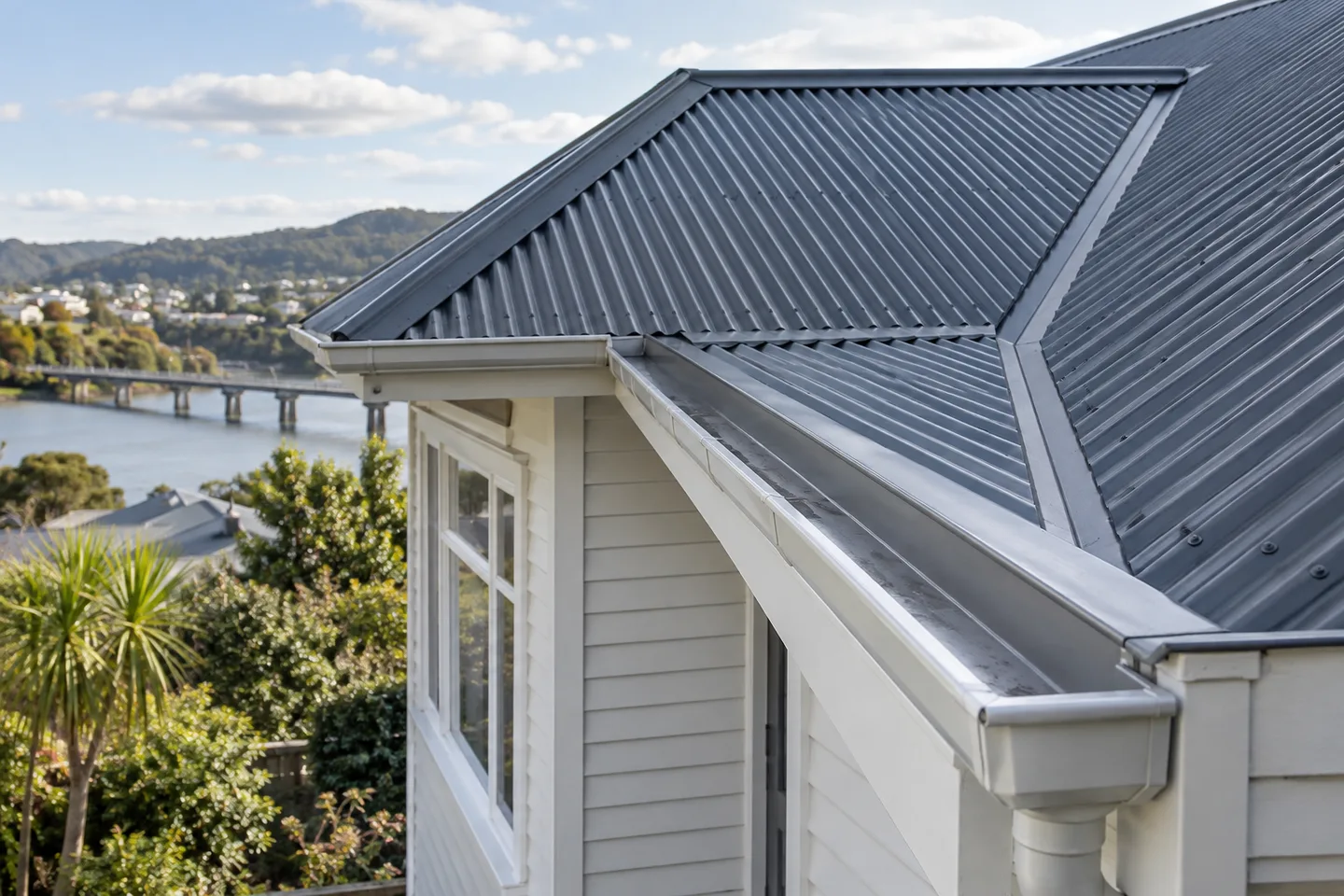
Build a practical picture of roof condition and prioritise maintenance before committing to major work.
View service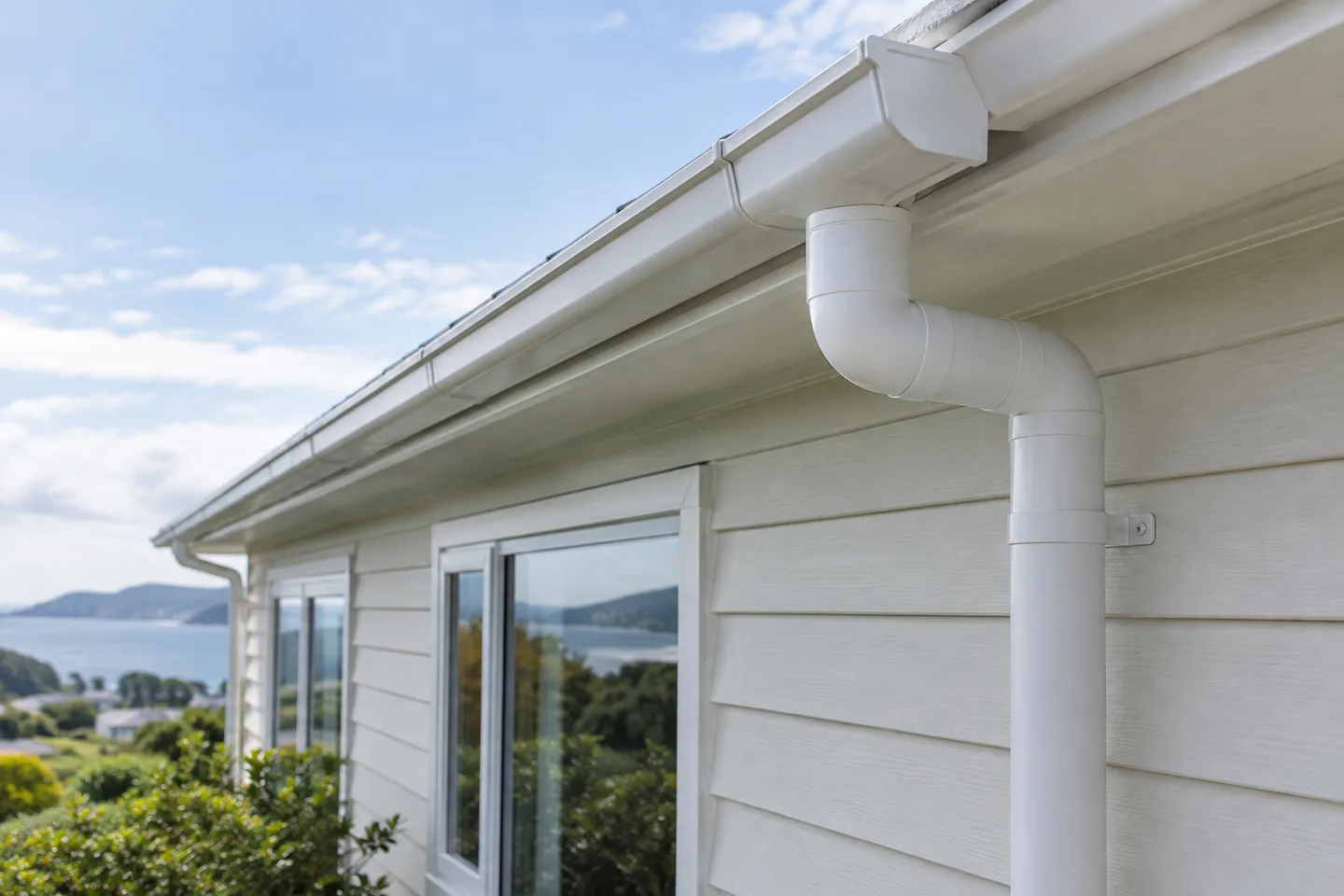
Consider gutters, outlets, downpipes and fascia together to understand roof drainage problems.
View serviceYour home. The next chapter.
Start with your suburb, your roof concerns and what you want to achieve.