Penetration type
Identify what passes through the roof and whether the equipment is staying, changing or being removed.
Roof junctions
Roof Penetration Repairs in Whanganui: pipes and equipment openings need compatible components and a durable connection to the roof covering.
06 880 1066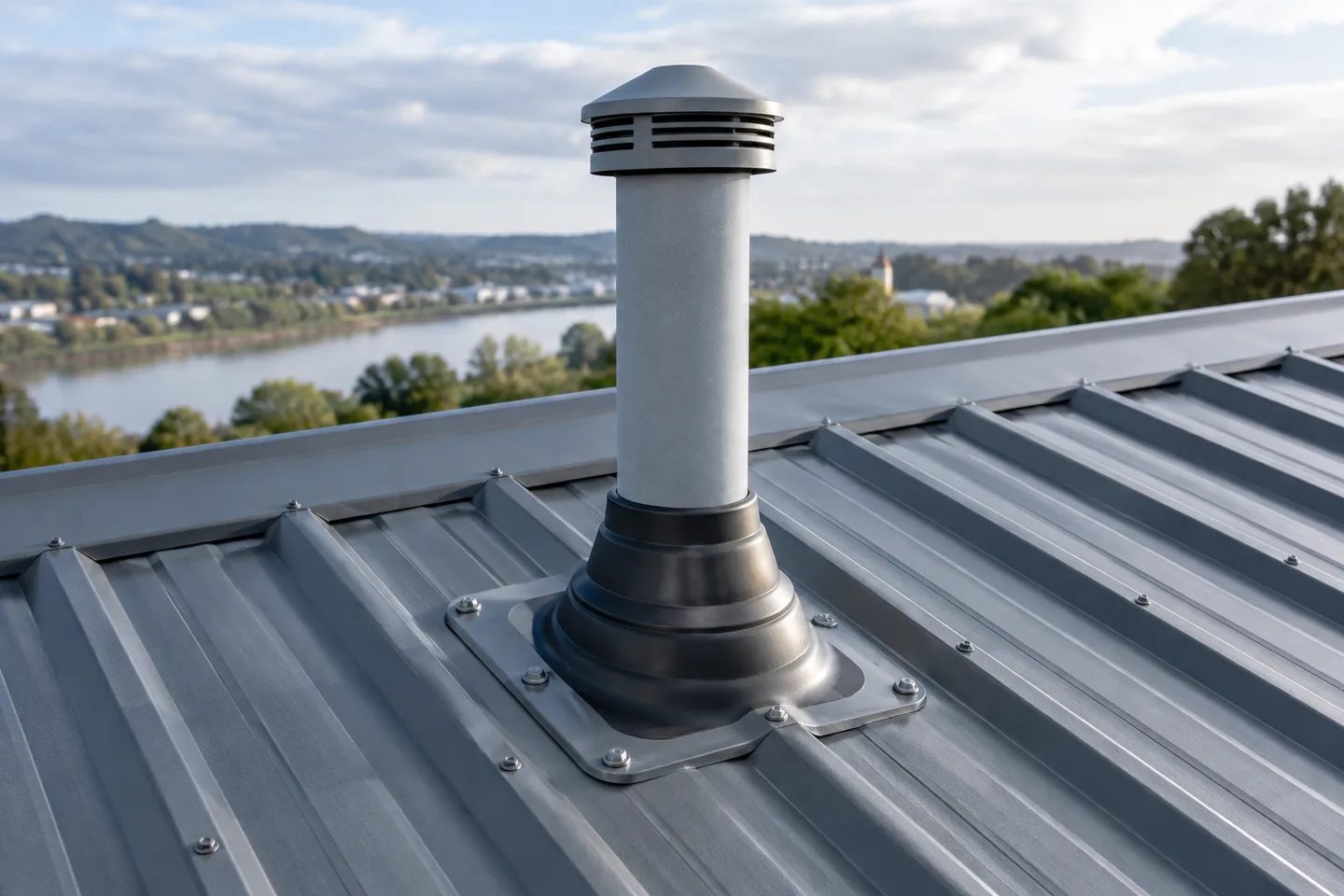
Let’s start with your property
Every pipe, vent, flue or fixture that passes through your roof creates a joint that has to be sealed and flashed correctly, and these penetrations are consistently among the most common sources of roof leaks. Whanganui roof penetration repairs covers resealing, refitting or replacing flashing boots and collars around plumbing vents, flues, aerials and other roof penetrations where the seal has failed or deteriorated with age. Rubber and plastic flashing boots in particular have a limited service life and often need replacing well before the roofing sheets themselves show any wear, especially with UV exposure breaking down the material over time. We check each penetration individually rather than assuming they've all failed the same way, since the right fix depends on the type of penetration and how it was originally flashed. This is often a quick, cost-effective repair once the specific failure point is identified.
A clear scope. The right questions.
A considered next step.
Is this your starting point?
A split pipe flashing bootRubber boots perish under UV long before the roof does, and a split one leaves an open hole around the pipe. Whanganui roof penetration repairs replace the boot before water tracks down the pipe into the ceiling.
Leaks near a vent pipeEvery penetration interrupts the roof's weather barrier and relies entirely on its flashing to stay sealed. Whanganui roof penetration repairs restore that seal with a component suited to the pipe and to the roof profile.
Old equipment openings left in the roofRedundant openings from removed aerials, flues or equipment are often capped temporarily and then forgotten. Whanganui roof penetration repairs close them properly, removing a leak path that no longer serves any purpose at all.
A closer look at the scope
Identify what passes through the roof and whether the equipment is staying, changing or being removed.
Check for splits, deterioration and unsuitable old patching around the weathering component.
Review the roof sheet and the way the penetration flashing meets its profile.
Coordinate equipment isolation or changes with the responsible trade before roof work begins.
Your options
Discuss replace a weathering component when the assessment supports a defined scope. Ask which adjoining components can remain and how the new work will connect.
Consider close a redundant opening when the existing condition or project brief needs a wider approach. Confirm access, interfaces and exclusions before accepting the proposal.
Reasons to choose us
Each pipe, vent and flue fails differently depending on how it was originally flashed. We assess them one at a time rather than assuming a single common fix.
Boots and collars are selected for the pipe size and the roof profile they sit on, because a component that almost fits is a leak waiting to happen.
Old aerial and flue openings are often capped temporarily and forgotten. We close them permanently, removing a leak path that no longer serves any purpose at all.
Once the failure point is identified, most penetration repairs are fast and inexpensive. We find it precisely, so you're not paying for exploratory work.
What to expect on site
Penetration repairs are generally quick, targeted jobs focused on specific points where pipes, vents or flues pass through your roof, so expect activity limited to those exact spots rather than the wider roof area. We'll confirm access to each penetration and let you know if multiple points are being addressed in the same visit. Noise is minimal, mostly from resealing or refitting flashing boots and collars. Because these points are briefly exposed during the repair, we avoid this work in wet weather to prevent water entering while the seal is being redone.
We'll confirm timing once conditions look dry enough to complete the repair and properly re-seal each penetration in a single visit.
Questions about roof penetration repairs
Use these answers to prepare a brief for your property and clarify the proposed work.
What Affects a Roofing Quote?Describe a split pipe flashing boot or the change you are planning. Existing reports, approximate age and safe photographs help establish what needs assessment.
Penetration type, Boot condition, Sheet interface, Equipment coordination all matter. The condition of adjoining materials and the practical access arrangement can expand or limit the proposed work.
Ask whether related work can share access or preparation. Keep the components, responsibilities and exclusions itemised so you can compare the combined proposal.
Penetration type: Identify what passes through the roof and whether the equipment is staying, changing or being removed. Boot condition: Check for splits, deterioration and unsuitable old patching around the weathering component. Sheet interface: Review the roof sheet and the way the penetration flashing meets its profile. Equipment coordination: Coordinate equipment isolation or changes with the responsible trade before roof work begins.
Replace a weathering component: Discuss replace a weathering component when the assessment supports a defined scope. Ask which adjoining components can remain and how the new work will connect. Close a redundant opening: Consider close a redundant opening when the existing condition or project brief needs a wider approach. Confirm access, interfaces and exclusions before accepting the proposal.
For roof penetration repairs, discuss sheet interface and equipment coordination early. Access, weather and adjoining building work can affect the sequence. Confirm material availability and how unexpected conditions will be priced before work starts.
Connected to roof penetration repairs
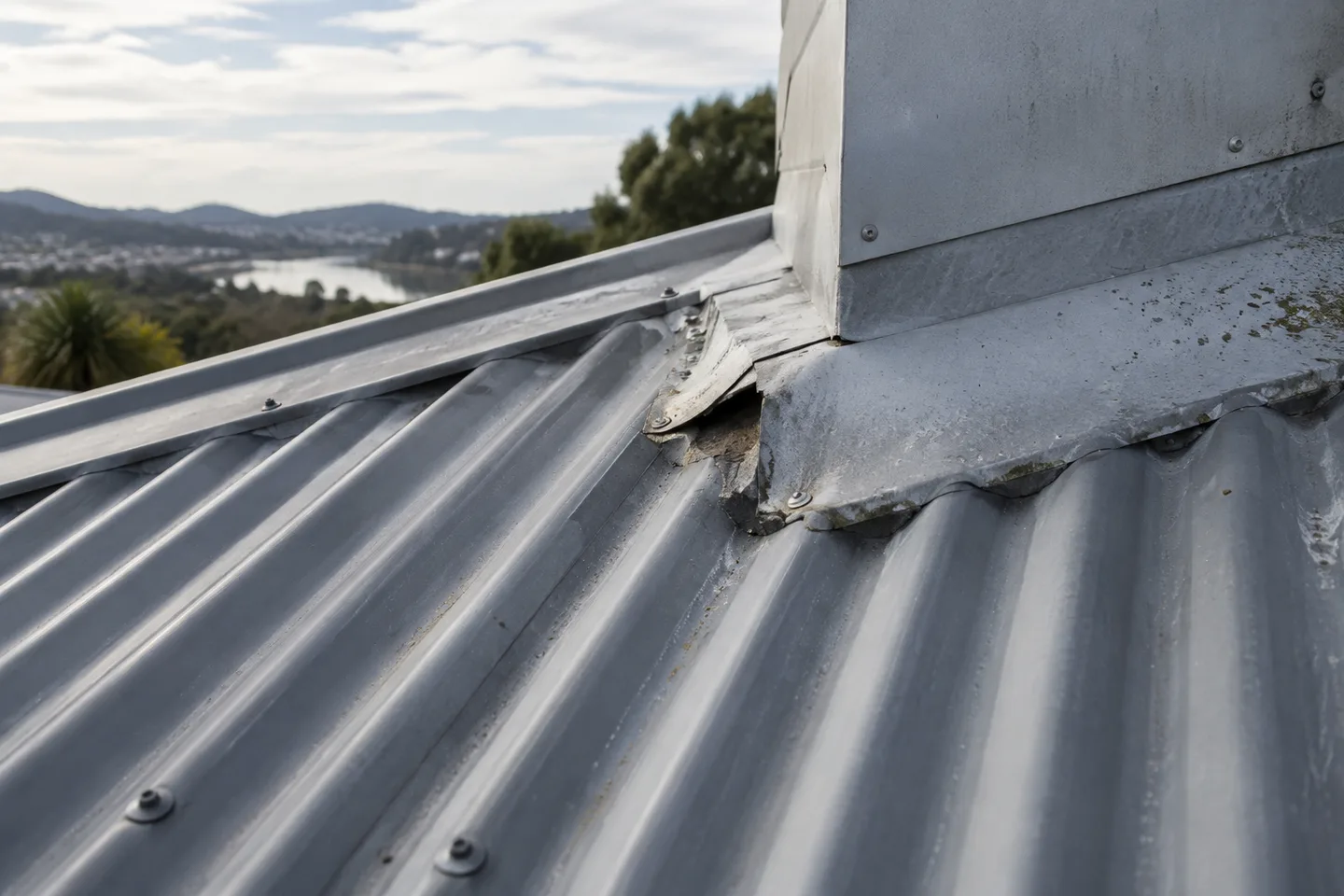
Understand leaks, damaged sheets and tired junctions before choosing a targeted repair.
View service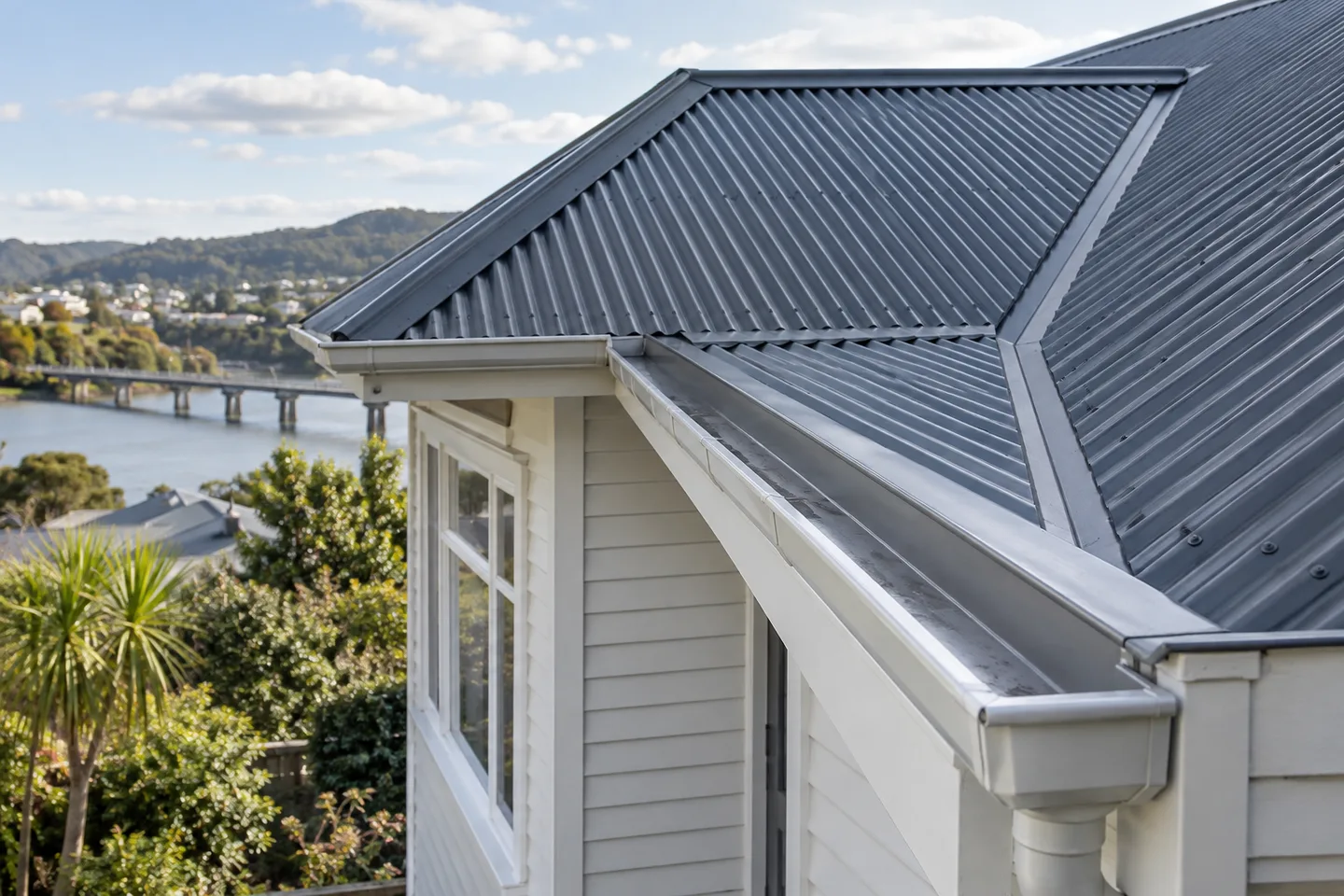
Build a practical picture of roof condition and prioritise maintenance before committing to major work.
View service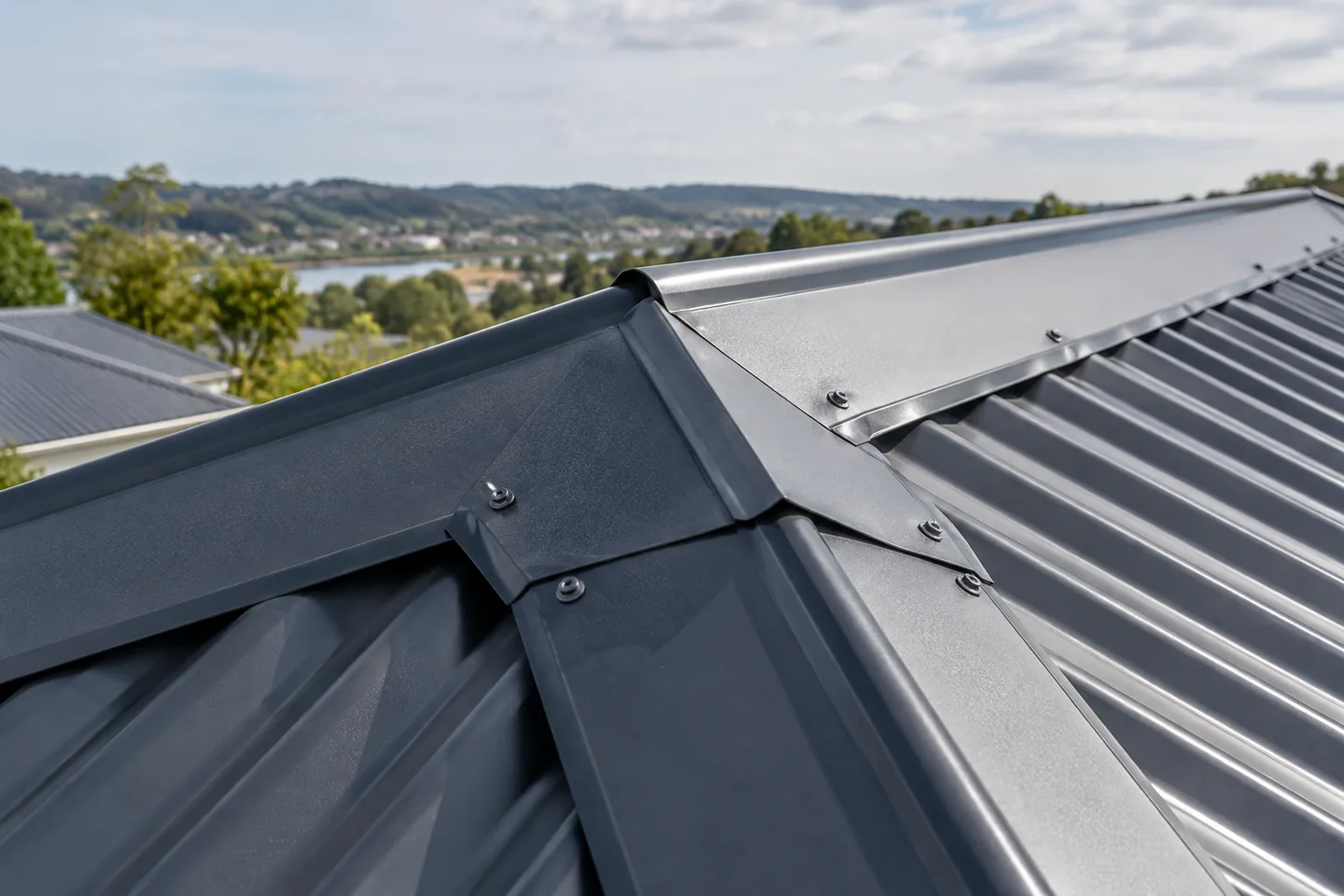
Focus on the junctions that keep roof edges, ridges and penetrations weather-resistant.
View serviceYour home. The next chapter.
Start with your suburb, your roof concerns and what you want to achieve.