Growth extent
Record where growth is concentrated and whether nearby trees contribute debris or shade.
Repair & maintain
Moss & Lichen Treatment in Whanganui: growth removal needs a method compatible with the roof and a plan for protecting surrounding planting and water collection.
06 880 1066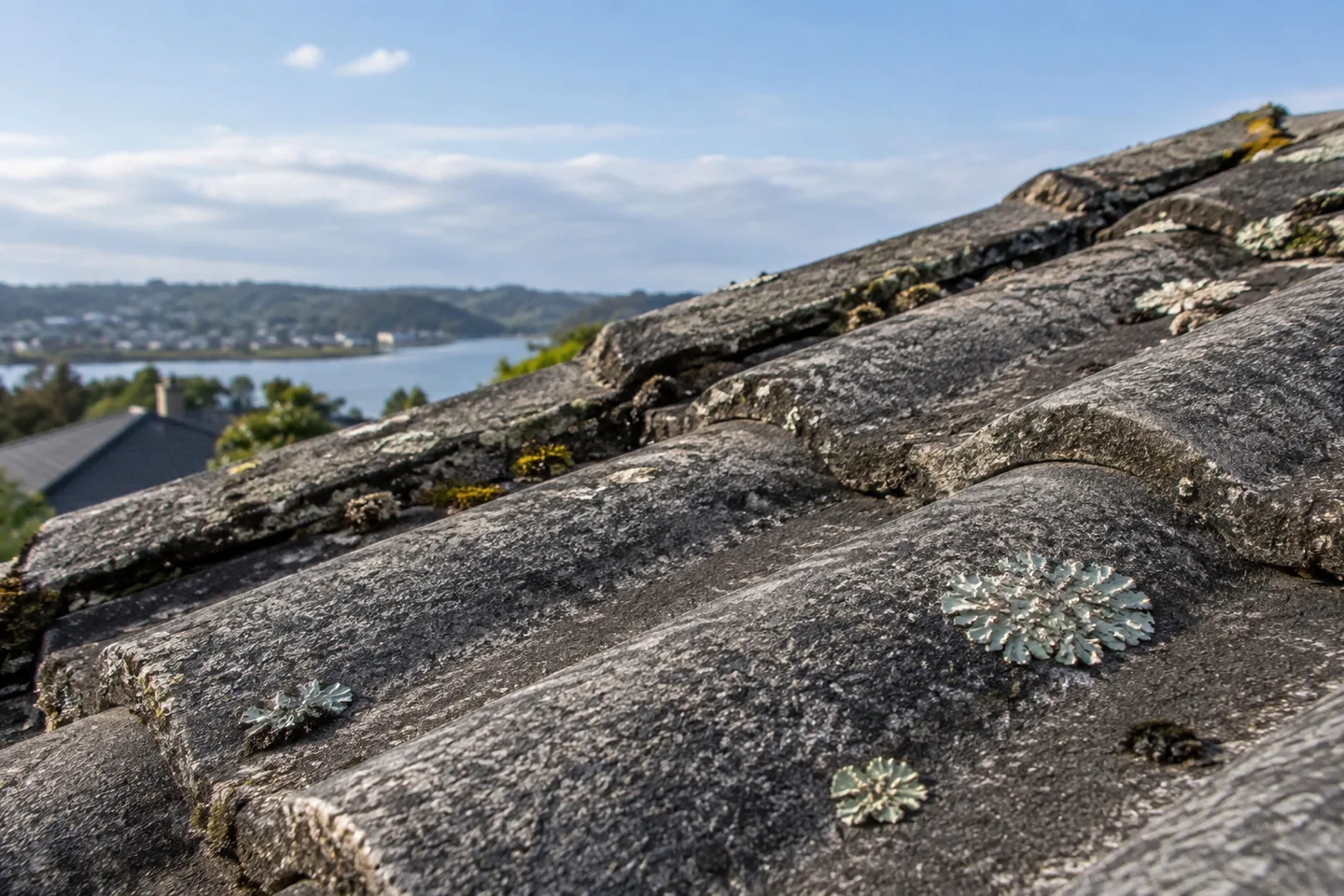
Let’s start with your property
Moss and lichen don't just look untidy — their root structures work into roofing seams and coatings, holding moisture against the surface and speeding up corrosion and coating breakdown. Whanganui moss and lichen treatment covers safe removal along with an appropriate treatment to slow regrowth, rather than just a surface clean that leaves the growth to return within a season. Shaded roof sections, valleys and areas under overhanging trees are where we see the heaviest buildup locally, and these areas often need repeat attention even after an initial treatment. We use methods and products suited to your roofing material, since some treatments that are fine on tile or concrete can affect coated steel differently. Left untreated for years, moss growth can genuinely shorten a roof's lifespan, so addressing it as part of regular maintenance is worth factoring into your upkeep schedule.
A clear scope. The right questions.
A considered next step.
Is this your starting point?
Visible lichen patchesLichen anchors into the coating itself, holding moisture against the surface and breaking down the finish from the point of attachment. Whanganui moss and lichen treatment removes it safely and treats the surface to slow any regrowth.
Moss in sheltered roof areasMoss thrives where the roof stays damp and shaded, and it spreads into laps and seams where water then sits permanently. Whanganui moss and lichen treatment clears those areas before the growth reaches the fixings and junctions.
Growth returning beneath overhanging treesUnder trees a surface clean alone leaves spores behind and the growth returns within a season. Whanganui moss and lichen treatment includes a treatment step, so you're not paying for the same clean again every year.
A closer look at the scope
Record where growth is concentrated and whether nearby trees contribute debris or shade.
Identify the roof covering and any suspect material before treatment or disturbance.
Check the treatment against the roof and coating supplier’s instructions.
Include planting and rainwater collection in the treatment and runoff plan.
Your options
Discuss local treatment when the assessment supports a defined scope. Ask which adjoining components can remain and how the new work will connect.
Consider broader maintenance plan when the existing condition or project brief needs a wider approach. Confirm access, interfaces and exclusions before accepting the proposal.
Reasons to choose us
A surface clean leaves spores behind and the growth returns within a season. We treat the surface as well, so you're not paying for the same job repeatedly.
Some treatments that suit concrete or tile will damage coated steel. We select products and methods for what your roof is actually made of.
Moss thrives where the roof stays damp and rarely dries. We work through valleys, sheltered planes and tree-covered sections where growth takes hold hardest in Whanganui.
Lichen anchors into the coating and holds moisture against the steel. Removing it early protects the finish underneath and avoids corrosion that shortens the roof's working life.
What to expect on site
Moss and lichen treatment usually follows a similar process to roof cleaning, with an additional treatment application to slow regrowth in affected areas. Expect a single visit in most cases, with equipment access needed similar to a standard clean. We'll flag any garden areas below heavily affected roof sections that might need temporary protection from runoff during treatment. Noise levels are low to moderate, mainly from any pressure washing involved before treatment is applied.
Weather matters here — treatment products generally need a dry window to work effectively rather than being washed off immediately by rain, so we'll confirm timing around a settled forecast to give the treatment the best chance of working as intended.
Questions about moss & lichen treatment
Use these answers to prepare a brief for your property and clarify the proposed work.
What Affects a Roofing Quote?Describe visible lichen patches or the change you are planning. Existing reports, approximate age and safe photographs help establish what needs assessment.
Growth extent, Roof condition, Treatment suitability, Runoff protection all matter. The condition of adjoining materials and the practical access arrangement can expand or limit the proposed work.
Ask whether related work can share access or preparation. Keep the components, responsibilities and exclusions itemised so you can compare the combined proposal.
Growth extent: Record where growth is concentrated and whether nearby trees contribute debris or shade. Roof condition: Identify the roof covering and any suspect material before treatment or disturbance. Treatment suitability: Check the treatment against the roof and coating supplier’s instructions. Runoff protection: Include planting and rainwater collection in the treatment and runoff plan.
Local treatment: Discuss local treatment when the assessment supports a defined scope. Ask which adjoining components can remain and how the new work will connect. Broader maintenance plan: Consider broader maintenance plan when the existing condition or project brief needs a wider approach. Confirm access, interfaces and exclusions before accepting the proposal.
For moss & lichen treatment, discuss treatment suitability and runoff protection early. Access, weather and adjoining building work can affect the sequence. Confirm material availability and how unexpected conditions will be priced before work starts.
Connected to moss & lichen treatment
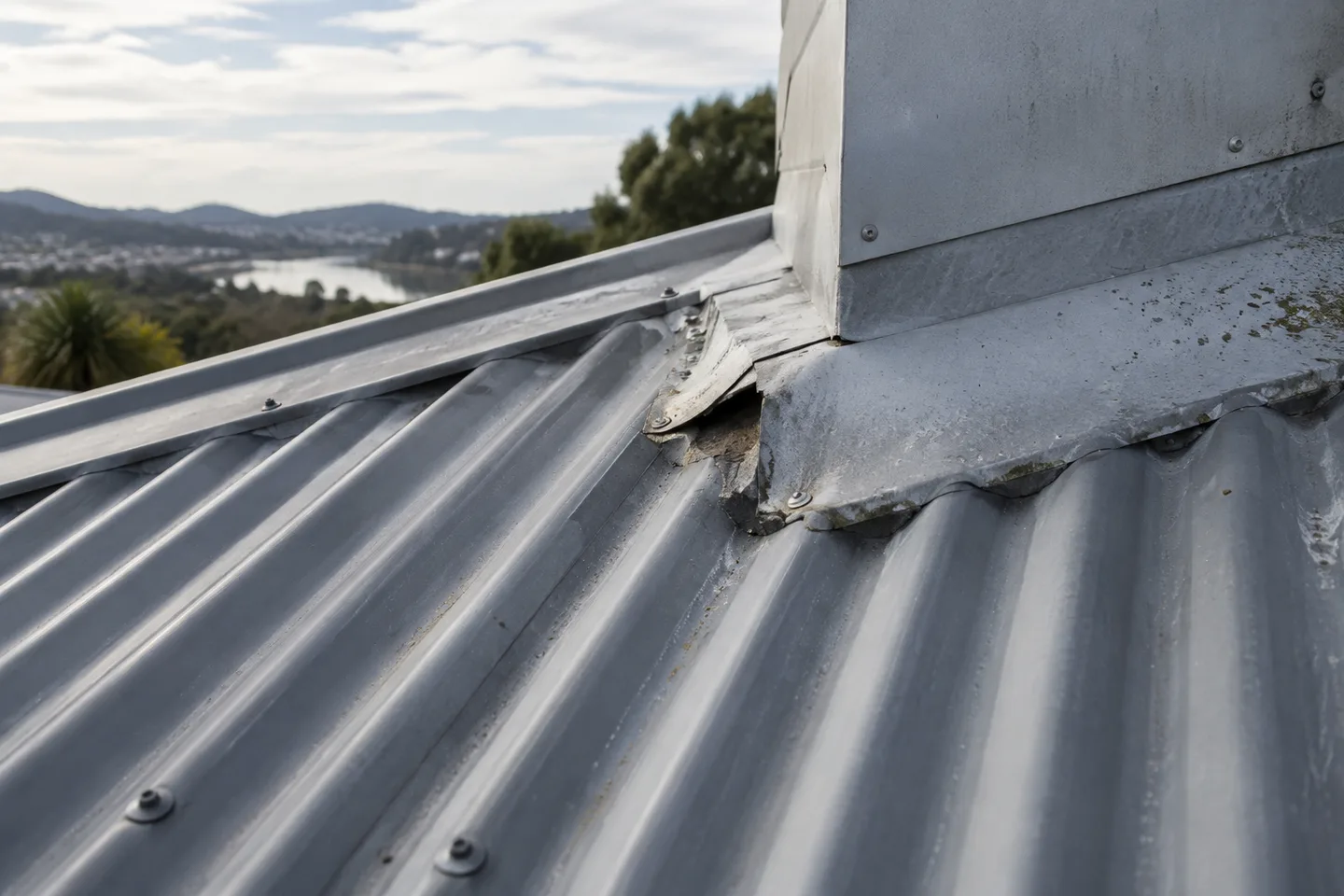
Understand leaks, damaged sheets and tired junctions before choosing a targeted repair.
View service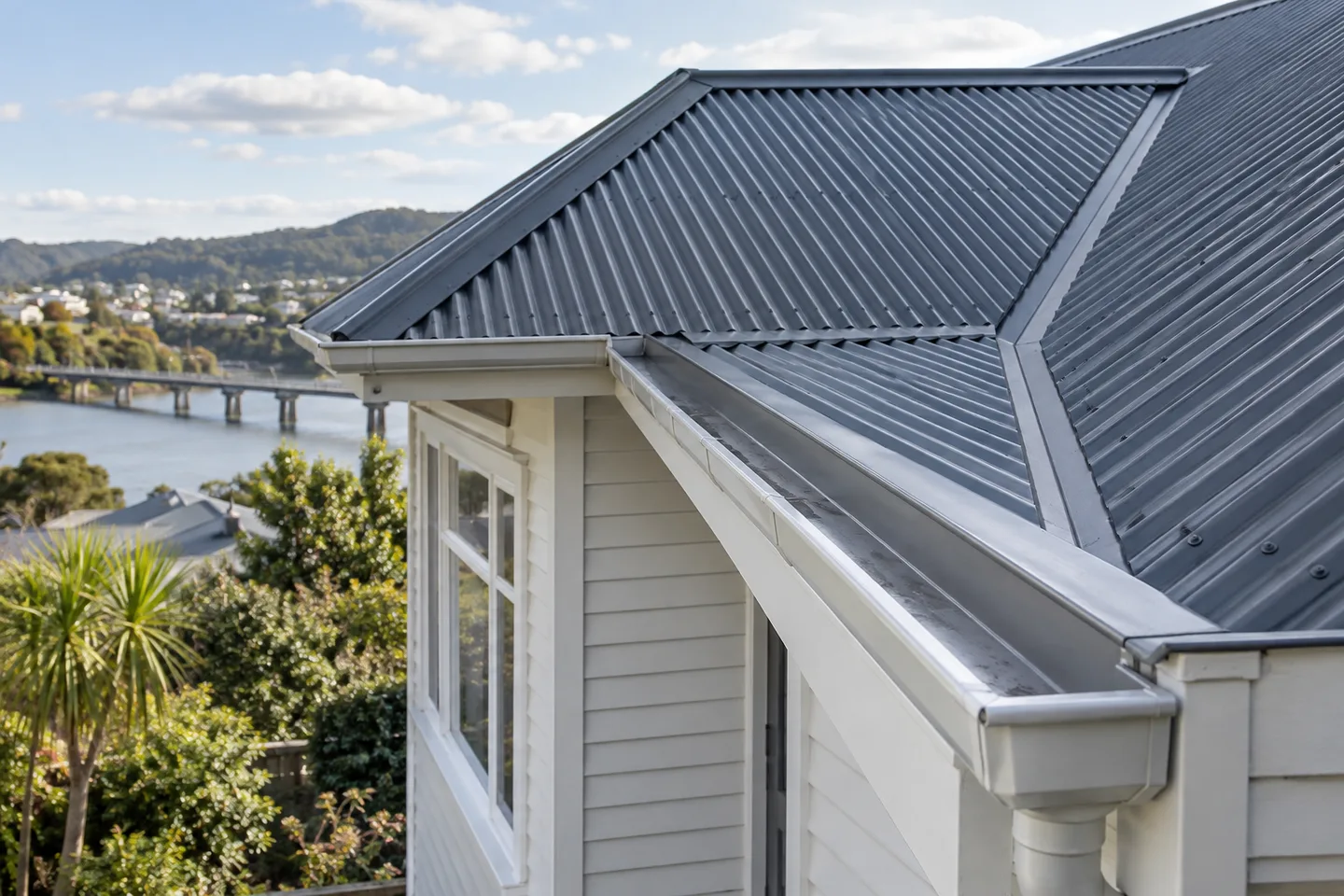
Build a practical picture of roof condition and prioritise maintenance before committing to major work.
View service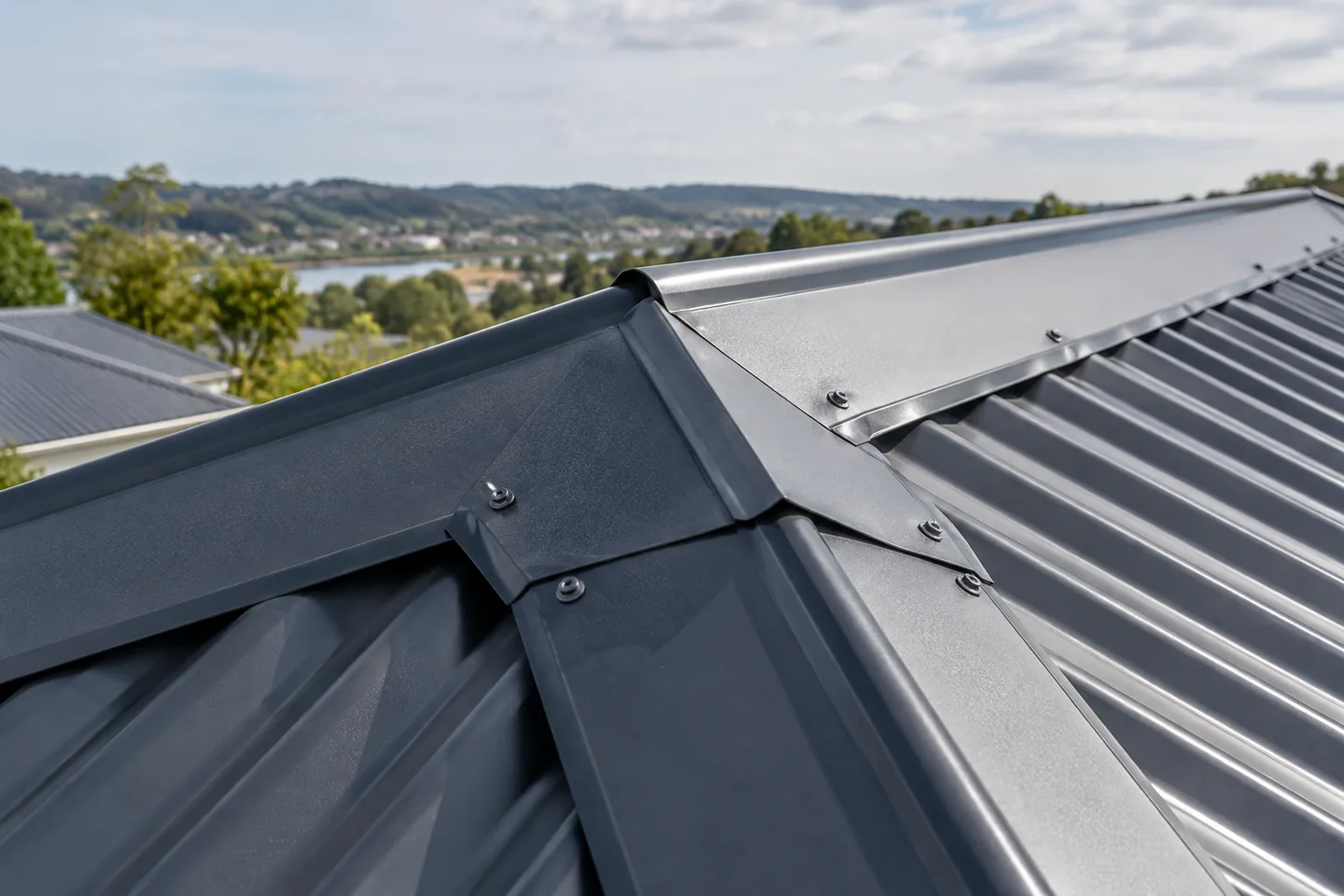
Focus on the junctions that keep roof edges, ridges and penetrations weather-resistant.
View serviceYour home. The next chapter.
Start with your suburb, your roof concerns and what you want to achieve.