Roof junctions
Whanganui Roof Valley Replacement
Roof Valley Replacement in Whanganui: a valley handles runoff from adjoining roof planes and needs attention to surrounding sheets and outlet details.
06 880 1066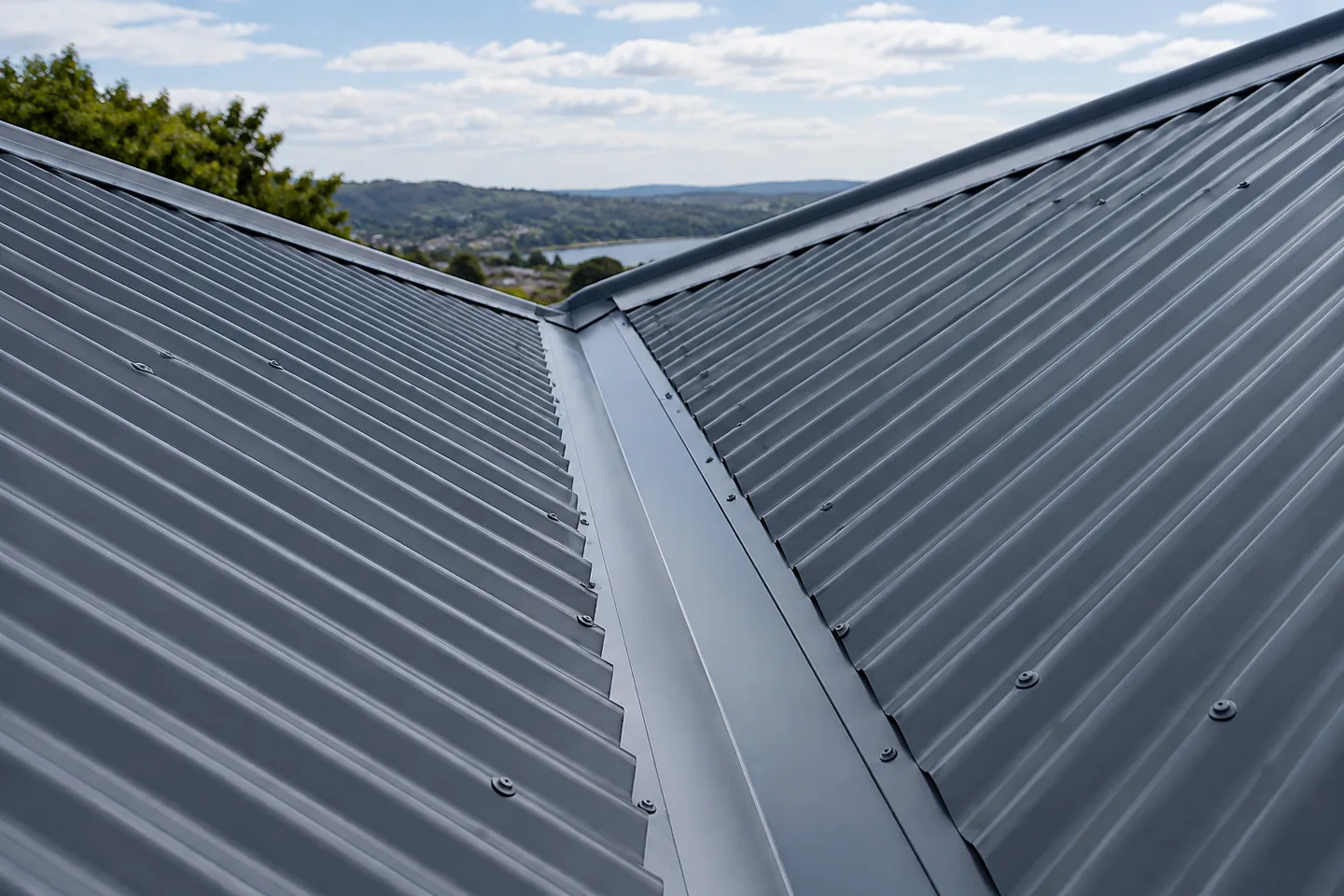
Let’s start with your property
Roof Valley Replacement Whanganui
Valleys carry more concentrated water flow than any other part of a roof, which makes them one of the first places to fail once the flashing material starts to deteriorate. Whanganui roof valley replacement covers removing worn or corroded valley flashing and installing new valley material sized correctly for the water volume the roof's catchment area actually generates. We check for debris buildup and correct fall while we're there, since a valley that's pitched incorrectly or regularly clogged with leaves and debris will fail faster regardless of how new the flashing material is. Valley leaks often show up as water stains some distance from the actual valley itself, since water can travel along the underlay or framing before it becomes visible inside. This is a common repair on older roofs and one that's worth prioritising, given how much water passes through a valley during heavy rain.
A clear scope. The right questions.
A considered next step.
What brought you here?
Why You Need A Roof Valley Replacement Service in Whanganui
Debris gathering between roof slopes
Debris caught in a valley dams the flow and holds water against the flashing permanently. Whanganui roof valley replacement clears the cause and restores a channel sized for the water your roof actually sheds during heavy rain.Water marks beneath an internal roof corner
Marks below an internal corner point almost always to the valley above, even when they appear some distance away. Whanganui roof valley replacement addresses the source rather than redecorating around a stain that keeps returning.The detail that matters
Roof Valley Replacement Contractors in Whanganui: How We Work
Valleys carry more concentrated water flow than any other part of a roof, which makes them one of the first places to fail once the flashing material starts to deteriorate. Whanganui roof valley replacement covers removing worn or corroded valley flashing and installing new valley material sized correctly for the water volume the roof's catchment area actually generates. We check for debris buildup and correct fall while we're there, since a valley that's pitched incorrectly or regularly clogged with leaves and debris will fail faster regardless of how new the flashing material is. Valley leaks often show up as water stains some distance from the actual valley itself, since water can travel along the underlay or framing before it becomes visible inside. This is a common repair on older roofs and one that's worth prioritising, given how much water passes through a valley during heavy rain.
Valley condition
Inspect the channel for corrosion, damage and debris that obscures its condition.
Contributing roof planes
Review the adjoining roof areas and refer sizing or design questions to the appropriate designer.
Sheet edge details
Include the sheet edges and their interfaces with the replacement valley.
Discharge point
Follow the valley to its discharge point and check how it connects to the receiving gutter.
Compare the scope
Clear the Valley or Replace the Flashing?
Local valley repair
Discuss local valley repair when the assessment supports a defined scope. Ask which adjoining components can remain and how the new work will connect.
Full valley replacement
Consider full valley replacement when the existing condition or project brief needs a wider approach. Confirm access, interfaces and exclusions before accepting the proposal.
What sets us apart
Why Choose Our Whanganui Roof Valley Replacement Experts?
- 01
Sized for real water volume
Valleys carry more concentrated flow than anywhere else on a roof. We size the new channel for the catchment it actually serves, not for a standard section.
- 02
Fall and debris addressed together
A valley that ponds or clogs will fail again regardless of new material. We correct the fall and clear the cause as part of the replacement.
- 03
We find the source of distant stains
Valley leaks often show some distance away, because water tracks along framing first. We connect the stain to the valley rather than treating the ceiling below it.
- 04
Prioritised before it reaches the framing
Once a valley corrodes through, water goes straight into the structure. We treat valley work as urgent, because the damage escalates faster here than anywhere else.
What to expect on site
Before Our Whanganui Roofers Start: What Homeowners Should Know
Valley replacement is generally focused on one or two specific sections of your roof rather than the whole roofline, so expect activity limited to those valley areas for the duration of the job. We'll confirm access needed to reach the valley safely, and flag if any related underlay or framing checks are needed once the old valley material is removed. Noise is moderate, from removal and fitting of new valley flashing.
Because valleys carry the most concentrated water flow on your roof, we're particularly cautious about weather here — we won't leave a valley partially open if rain is forecast, so we'll confirm timing once we're confident of completing the job in a single, dry visit.
Questions about roof valley replacement
Frequently Asked Questions
Use these answers to prepare a brief for your property and clarify the proposed work.
What Affects a Roofing Quote?What should I provide for roof valley replacement?
Describe rust in the valley channel or the change you are planning. Existing reports, approximate age and safe photographs help establish what needs assessment.
What changes the scope of this work?
Valley condition, Contributing roof planes, Sheet edge details, Discharge point all matter. The condition of adjoining materials and the practical access arrangement can expand or limit the proposed work.
Can this be combined with other roof work?
Ask whether related work can share access or preparation. Keep the components, responsibilities and exclusions itemised so you can compare the combined proposal.
What should a roof valley replacement quote include?
Valley condition: Inspect the channel for corrosion, damage and debris that obscures its condition. Contributing roof planes: Review the adjoining roof areas and refer sizing or design questions to the appropriate designer. Sheet edge details: Include the sheet edges and their interfaces with the replacement valley. Discharge point: Follow the valley to its discharge point and check how it connects to the receiving gutter.
What options should I discuss before choosing the work?
Local valley repair: Discuss local valley repair when the assessment supports a defined scope. Ask which adjoining components can remain and how the new work will connect. Full valley replacement: Consider full valley replacement when the existing condition or project brief needs a wider approach. Confirm access, interfaces and exclusions before accepting the proposal.
What should I plan for before work begins?
For roof valley replacement, discuss sheet edge details and discharge point early. Access, weather and adjoining building work can affect the sequence. Confirm material availability and how unexpected conditions will be priced before work starts.
Connected to roof valley replacement
Other Roofing Services in Whanganui
Roof Repairs
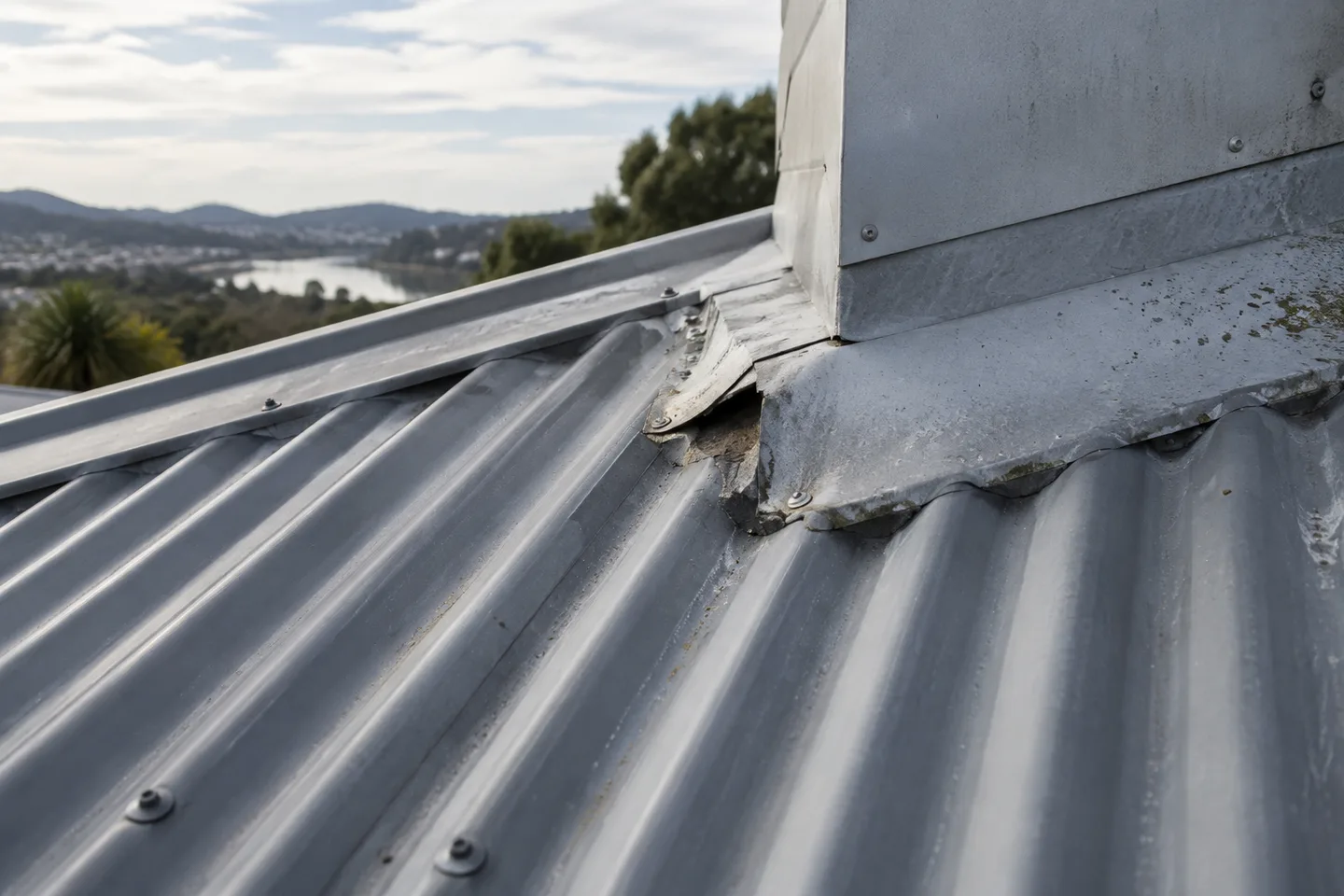
Understand leaks, damaged sheets and tired junctions before choosing a targeted repair.
View service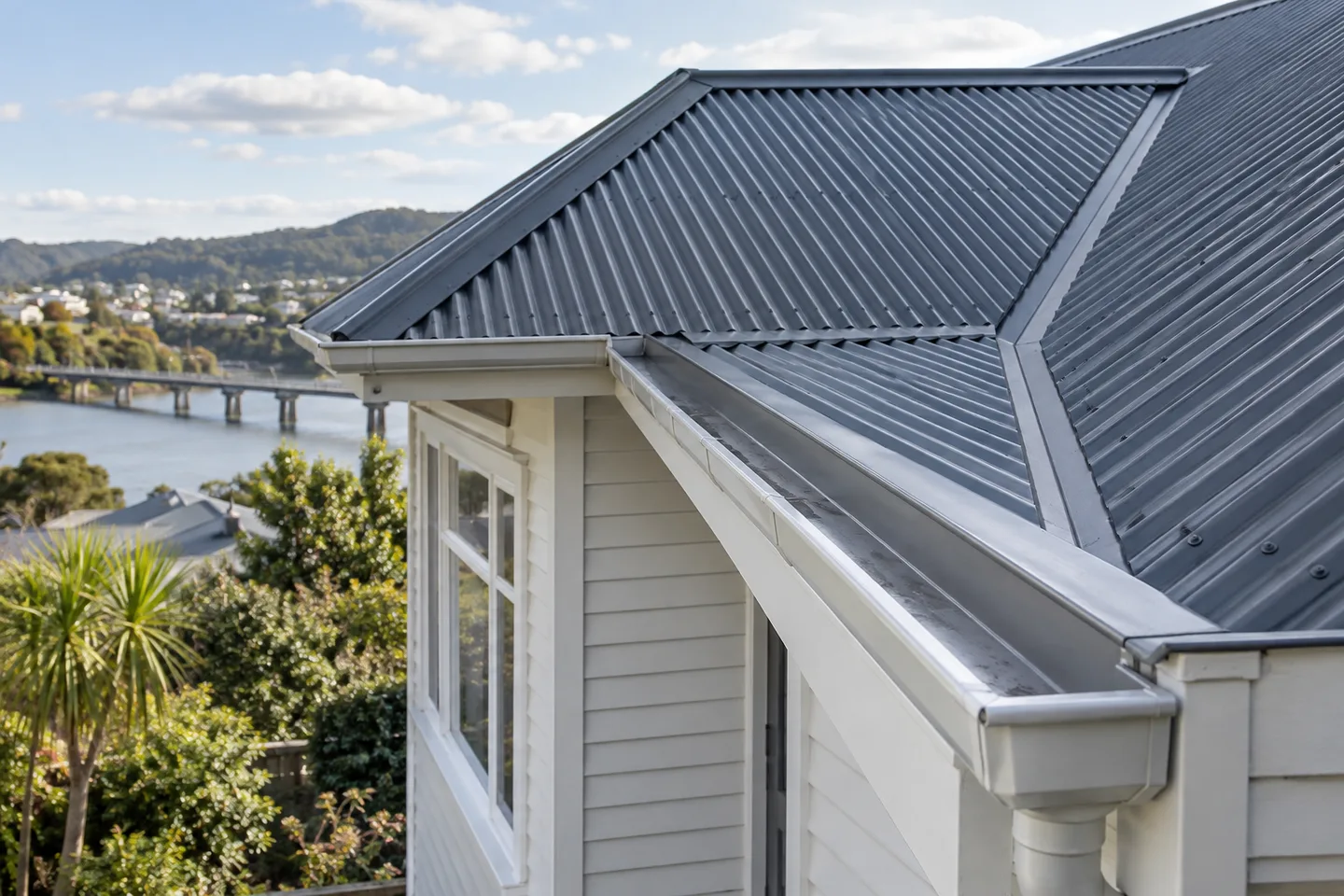
Roof Inspections & Maintenance
Build a practical picture of roof condition and prioritise maintenance before committing to major work.
View service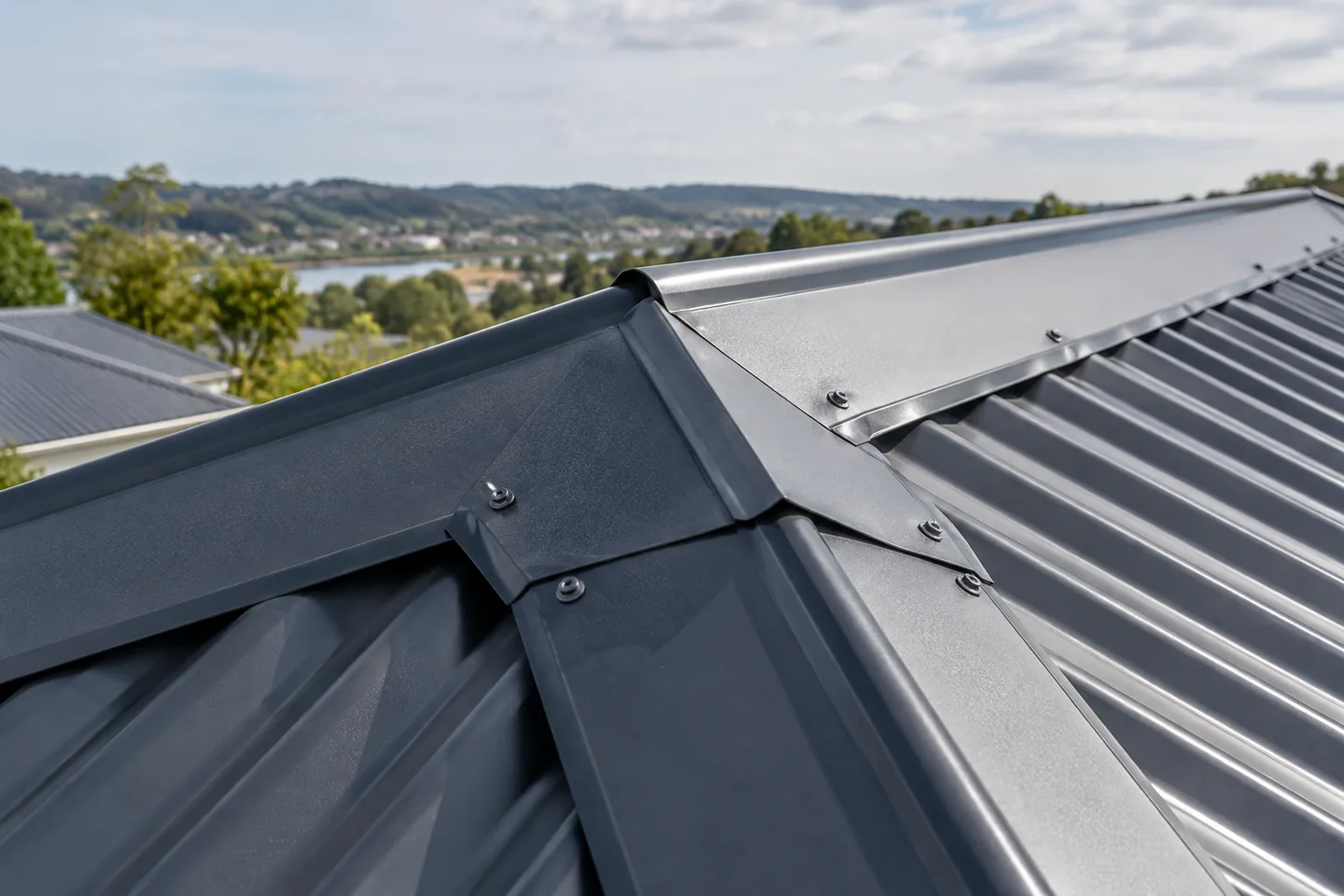
Flashings & Ridge Repairs
Focus on the junctions that keep roof edges, ridges and penetrations weather-resistant.
View serviceYour home. The next chapter.
Let’s get your roof right.
Start with your suburb, your roof concerns and what you want to achieve.