Repair & maintain
Whanganui Flashings & Ridge Repairs
Focus on the junctions that keep roof edges, ridges and penetrations weather-resistant.
06 880 1066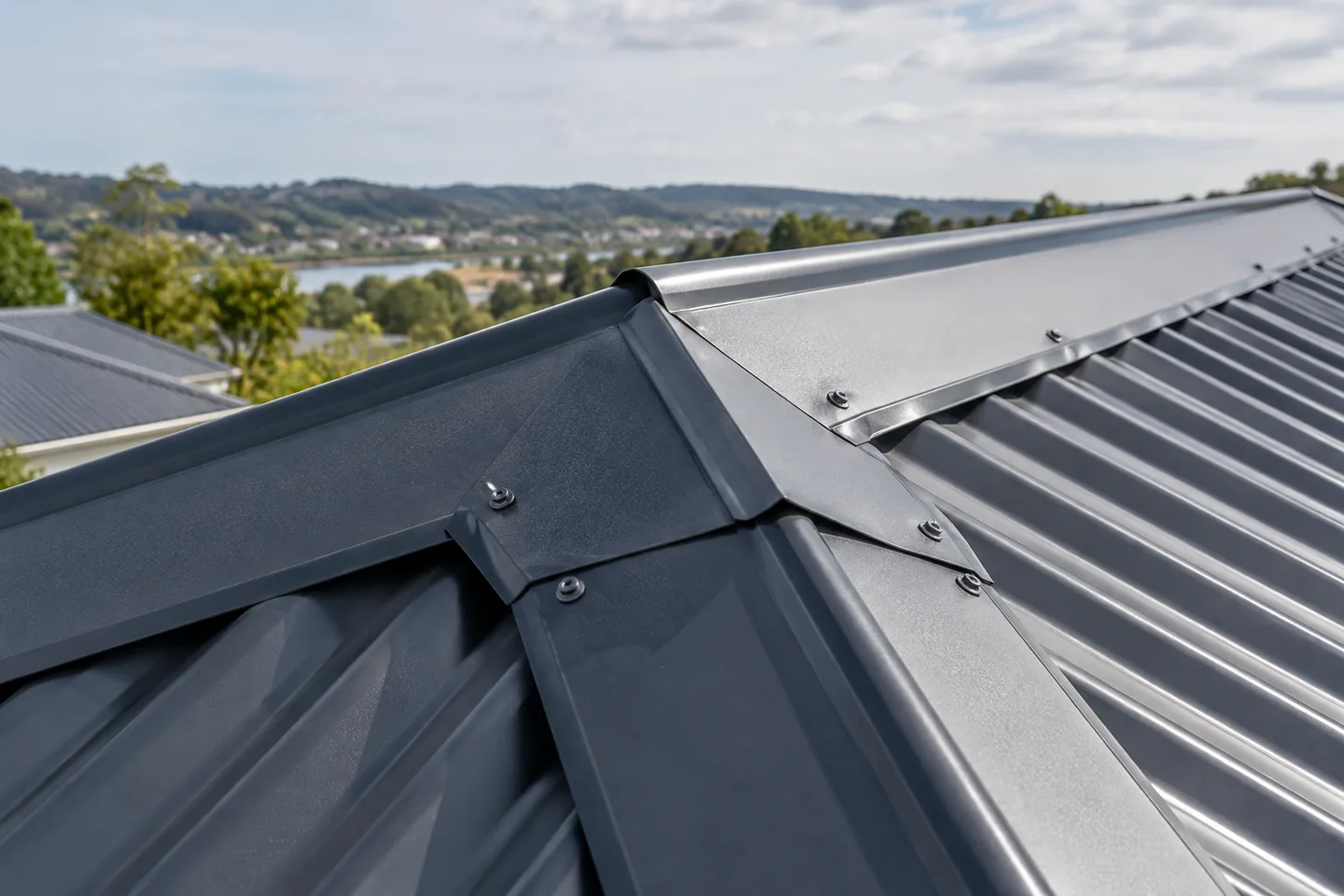
Let’s start with your property
Flashings & Ridge Repairs Whanganui
Flashings and ridge capping do most of the actual work of keeping a roof watertight, since that's where two roof surfaces or roofing materials meet. Whanganui flashings and ridge repairs covers re-sealing, refixing or replacing flashings around valleys, aprons, chimneys and wall junctions, along with ridge capping that's lifted, corroded or come loose from wind. These are some of the most common sources of roof leaks we're called out for, often well before the roofing sheets themselves show any sign of wear. We match flashing profile and colour to the existing roof wherever possible, and use appropriate sealants and fixings rated for exposed, UV-heavy positions. If you've noticed a leak that seems to track along a ridge line, around a chimney, or at a wall-to-roof junction, this is usually the area to have checked first.
A clear scope. The right questions.
A considered next step.
What brought you here?
Why You Need A Flashings & Ridge Repairs Service in Whanganui
Water marks close to a chimney or wall junction
Roof-to-wall and chimney junctions are where two materials meet and movement is greatest, making them the most common leak points on an otherwise sound roof. Whanganui flashings and ridge repairs rebuild that detail properly rather than resealing it again.Corrosion at overlaps or around penetrations
Overlaps and penetrations trap moisture and dirt, so corrosion starts there long before it appears on open roof areas. Whanganui flashings and ridge repairs replace the affected components while the surrounding roofing is still in serviceable condition.Repeated surface patching at the same joint
A joint that has been sealed more than once is telling you the detail itself is wrong, not merely worn. Whanganui flashings and ridge repairs replace the flashing with a correctly formed profile, so the junction stops needing attention.The detail that matters
Flashings & Ridge Repairs Contractors in Whanganui: How We Work
Flashings and ridge capping do most of the actual work of keeping a roof watertight, since that's where two roof surfaces or roofing materials meet. Whanganui flashings and ridge repairs covers re-sealing, refixing or replacing flashings around valleys, aprons, chimneys and wall junctions, along with ridge capping that's lifted, corroded or come loose from wind. These are some of the most common sources of roof leaks we're called out for, often well before the roofing sheets themselves show any sign of wear. We match flashing profile and colour to the existing roof wherever possible, and use appropriate sealants and fixings rated for exposed, UV-heavy positions. If you've noticed a leak that seems to track along a ridge line, around a chimney, or at a wall-to-roof junction, this is usually the area to have checked first.
Junction review
Identify the adjoining roof and wall materials and their condition.
Flashing dimensions
Review cover, upstands and laps against the system details.
Fixing condition
Assess attachment and surrounding sheets rather than the cap alone.
Repair interface
Clarify whether adjacent cladding needs removal or replacement.
Compare the scope
Reseal or Replace? Assessing Flashing Condition
Localised junction repair
May suit a defined damaged area with sound adjoining materials.
Flashing replacement
A new purpose-formed component may be more appropriate when the existing shape or condition is unsuitable.
What sets us apart
Why Choose Our Whanganui Flashings & Ridge Repairs Experts?
- 01
Junction specialists, not just sheet fitters
Most leaks on a sound roof start at a junction. We detail ridges, aprons and valleys correctly, because that's where roofs genuinely succeed or fail in Whanganui weather.
- 02
We replace, rather than reseal again
A joint sealed more than once has the wrong detail, not just worn sealant. We fit a correctly formed flashing so the junction stops needing repeated attention.
- 03
Purpose-formed to your roof
Flashings are formed for the actual pitch, cover and overlap your junction requires, rather than trimmed from a standard section that almost fits the roof it's protecting.
- 04
Matched to the existing roof
Profile and colour are matched as closely as current availability allows, so a repaired ridge or wall junction reads as part of the roof rather than an obvious patch.
What to expect on site
Before Our Whanganui Roofers Start: What Homeowners Should Know
Flashing and ridge repairs are typically contained, targeted jobs rather than whole-roof work, so expect activity limited to specific sections of your roofline for a matter of hours rather than days. We'll confirm ladder access to the relevant area, and let you know if any materials need temporary storage on-site during the job. Noise is generally minimal compared to larger roofing work, mostly limited to fixing and occasional cutting.
Because this work often involves removing existing flashing before refitting new material, we avoid doing it in wet weather, since an open section shouldn't be left exposed if rain is forecast. We'll confirm the day with you once conditions look settled enough to complete the repair properly in one visit.
Questions about flashings & ridge repairs
Frequently Asked Questions
Use these answers to prepare a brief for your property and clarify the proposed work.
Understanding Roof LeaksAre ridge caps and flashings the same thing?
A ridge cap is one type of roof flashing. Other flashings cover junctions at walls, edges, valleys and penetrations.
Can a chimney leak come from the masonry?
Yes, the roof junction is only one possible source. The investigation should consider the chimney condition as well as flashing details.
Will the new flashing match the old colour?
Ageing and coating changes can affect colour matching. Ask to see a sample and agree the acceptable appearance.
What should a flashings & ridge repairs quote include?
Junction review: Identify the adjoining roof and wall materials and their condition. Flashing dimensions: Review cover, upstands and laps against the system details. Fixing condition: Assess attachment and surrounding sheets rather than the cap alone. Repair interface: Clarify whether adjacent cladding needs removal or replacement.
What options should I discuss before choosing the work?
Localised junction repair: May suit a defined damaged area with sound adjoining materials. Flashing replacement: A new purpose-formed component may be more appropriate when the existing shape or condition is unsuitable.
What should I plan for before work begins?
A small flashing can require significant safe access or removal of neighbouring materials. Chimneys, wall cladding and rooflights may involve other trades. Discuss those boundaries before accepting a quote.
Connected to flashings & ridge repairs
Other Roofing Services in Whanganui
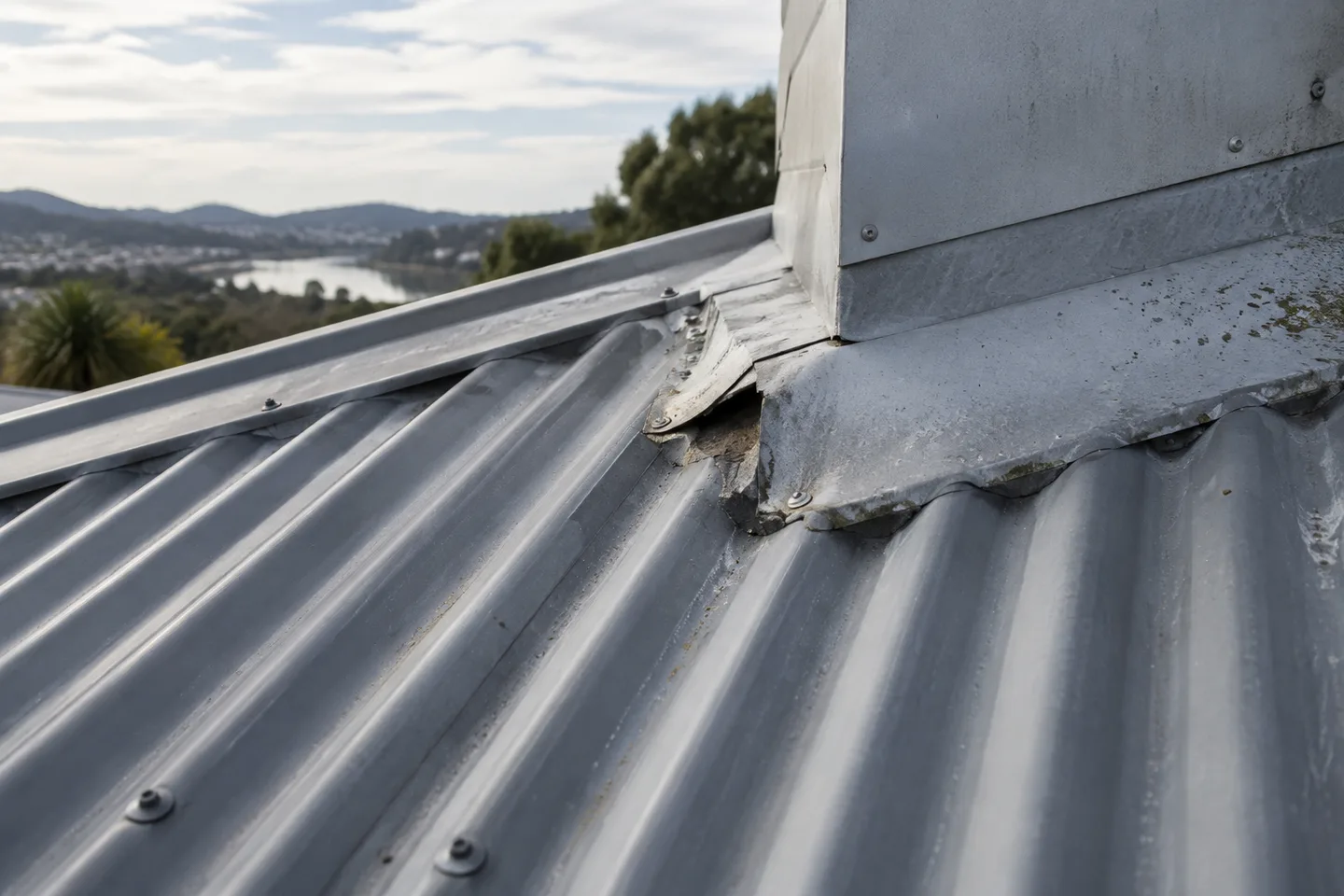
Roof Repairs
Understand leaks, damaged sheets and tired junctions before choosing a targeted repair.
View service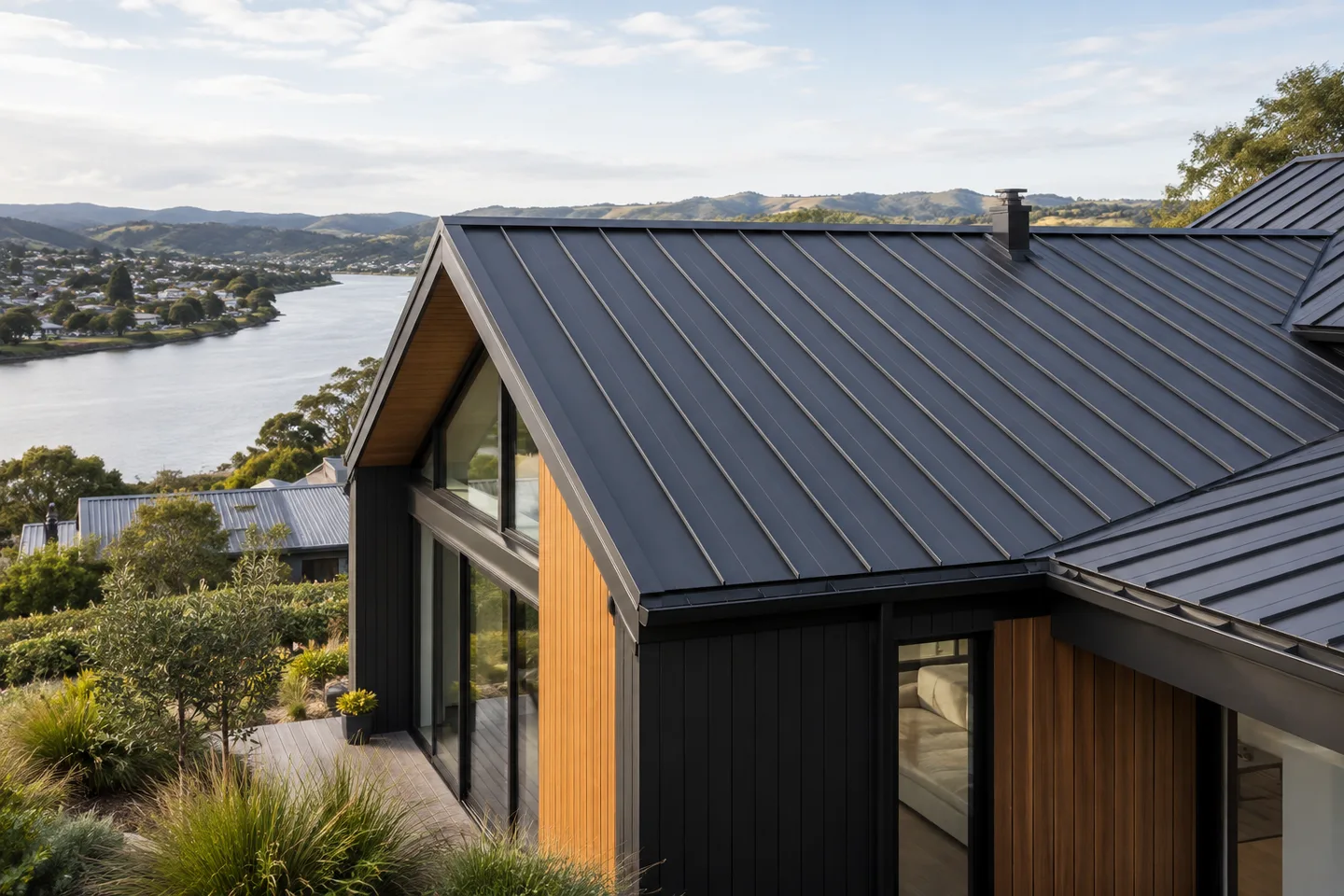
Long-Run Metal Roofing
Compare profiles, coatings and roof details for a considered metal roofing specification.
View service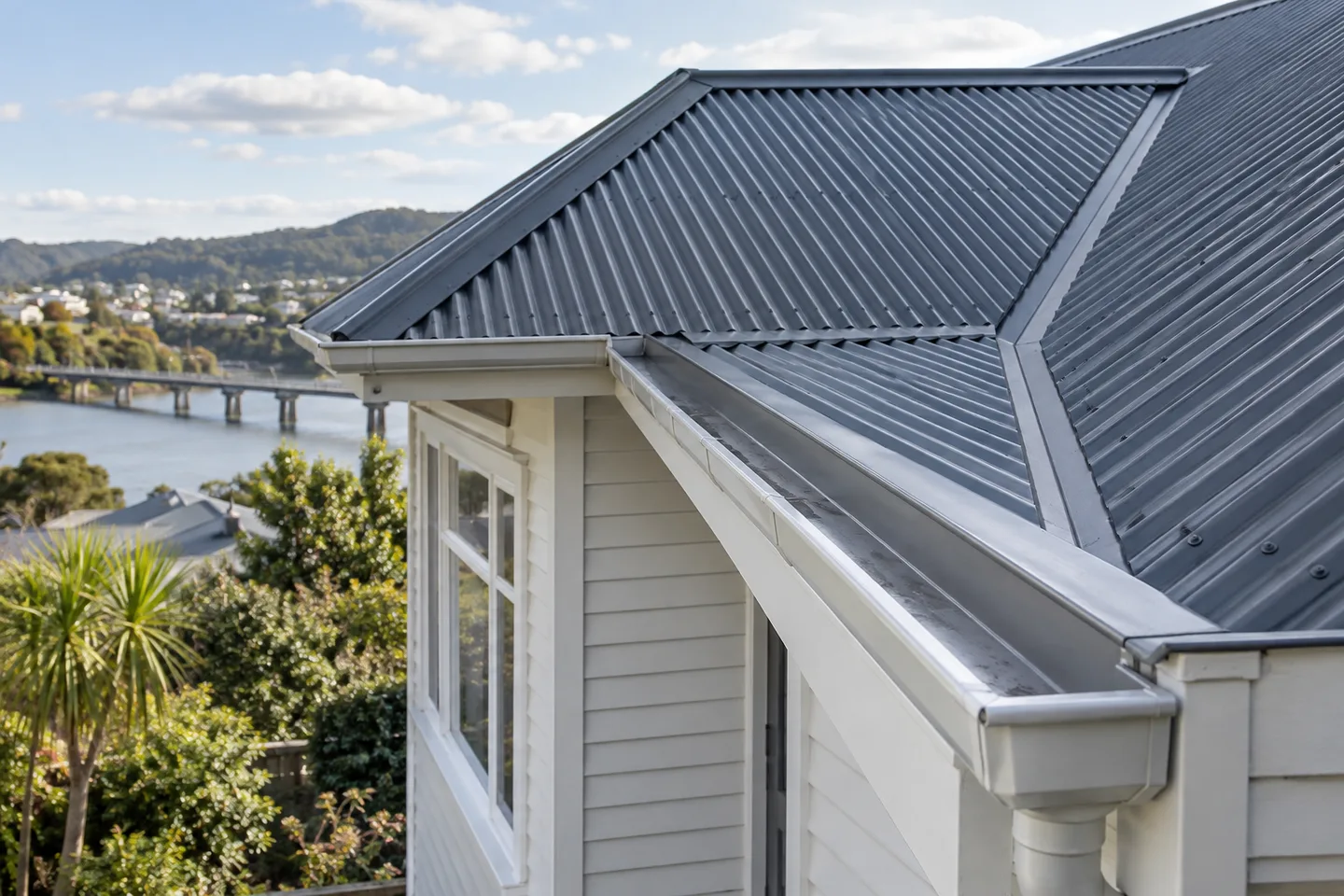
Roof Inspections & Maintenance
Build a practical picture of roof condition and prioritise maintenance before committing to major work.
View serviceYour home. The next chapter.
Let’s get your roof right.
Start with your suburb, your roof concerns and what you want to achieve.