Big decisions
Whanganui Guide: Choosing a Roof Colour
Use real samples, the house exterior and the roof profile to choose a finish with confidence.
06 880 1066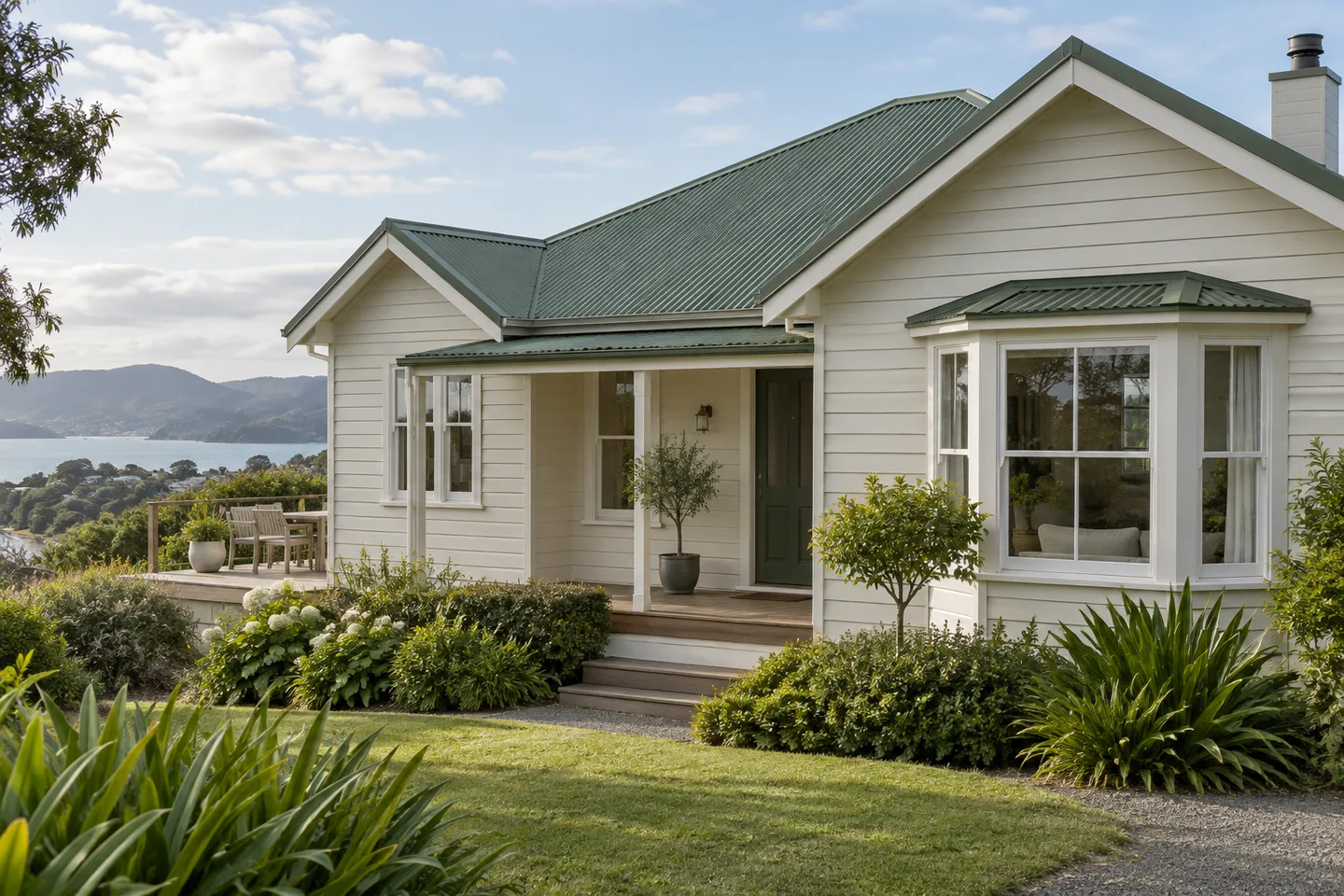
Let’s start with your property
Start with the right question.
The roof is a large part of the exterior, but a small colour swatch can be misleading. A useful shortlist considers the whole house, the available roofing system and how the finish looks outside.
Connect this guide with Whanganui roof colours to explore the assessment, work boundaries and practical questions for your property.
A clear scope. The right questions.
A considered next step.
01 /
Start with the elements that will stay
Look at the existing brick, weatherboards, joinery and paving before choosing a roof colour. Photograph the house from the street and list the finishes you plan to retain. A roof chosen in isolation may be difficult to coordinate with those permanent elements.
- Wall cladding and trim
- Window and door frames
- Gutters, fascia and garage doors
02 /
Choose a suitable roofing system first
Ask the supplier which finishes are available for the required profile and environmental conditions. A colour name alone does not identify the coating, substrate or product specification. Record those details together in the proposal, and check availability before setting the installation programme.
03 /
Take physical samples outside
Compare samples beside the house in daylight, including both sun and shade where practical. View them from a distance as well as up close. Screens, printed brochures and indoor lighting help you make a shortlist, but they are not a reliable final colour reference.
04 /
Consider the roof shape and accessories
Large visible slopes present colour differently from a roof mostly hidden behind a parapet. Ribs, seams and reflected light also affect its appearance. Ask to see the finish on the proposed profile, and consider whether matching or contrasting gutters best suit the existing exterior.
05 /
Record the final selection
Write down the manufacturer, product, coating, colour and matching accessories before ordering. Where old roofing remains, discuss the expected difference between new material and weathered surfaces. Keep the specification with your property records so later repairs have a useful starting point.
Keep the next step informed
A few final questions.
Explore long-run metal roofingSources checked 9 September 2026NZ Metal Roofing Manufacturers: Code of Practice
General planning information. Product and site-specific requirements should be checked for the actual work.
Can I choose from a website image?
Use images for inspiration, then confirm against a physical product sample. Generated images on this site illustrate topics and are not colour standards.
Will new sheets match an older roof?
Do not assume an exact match. Weathering and changes to product ranges can affect the appearance.
Where should I start when applying this guide to my property?
Look at the existing brick, weatherboards, joinery and paving before choosing a roof colour. Photograph the house from the street and list the finishes you plan to retain. A roof chosen in isolation may be difficult to coordinate with those permanent elements.
What details should I discuss with the contractor?
Ask the supplier which finishes are available for the required profile and environmental conditions. A colour name alone does not identify the coating, substrate or product specification. Record those details together in the proposal, and check availability before setting the installation programme.
What else should I consider before deciding on the work?
Compare samples beside the house in daylight, including both sun and shade where practical. View them from a distance as well as up close. Screens, printed brochures and indoor lighting help you make a shortlist, but they are not a reliable final colour reference.
What should I include in my project checklist?
Write down the manufacturer, product, coating, colour and matching accessories before ordering. Where old roofing remains, discuss the expected difference between new material and weathered surfaces. Keep the specification with your property records so later repairs have a useful starting point.
Your home. The next chapter.
Let’s get your roof right.
Start with your suburb, your roof concerns and what you want to achieve.