Roof Repairs
Understand leaks, damaged sheets and tired junctions before choosing a targeted repair.
View serviceRepair & maintain
Roof Leak Detection in Whanganui: leak investigation connects indoor symptoms with exterior details and the conditions when moisture appears.
06 880 1066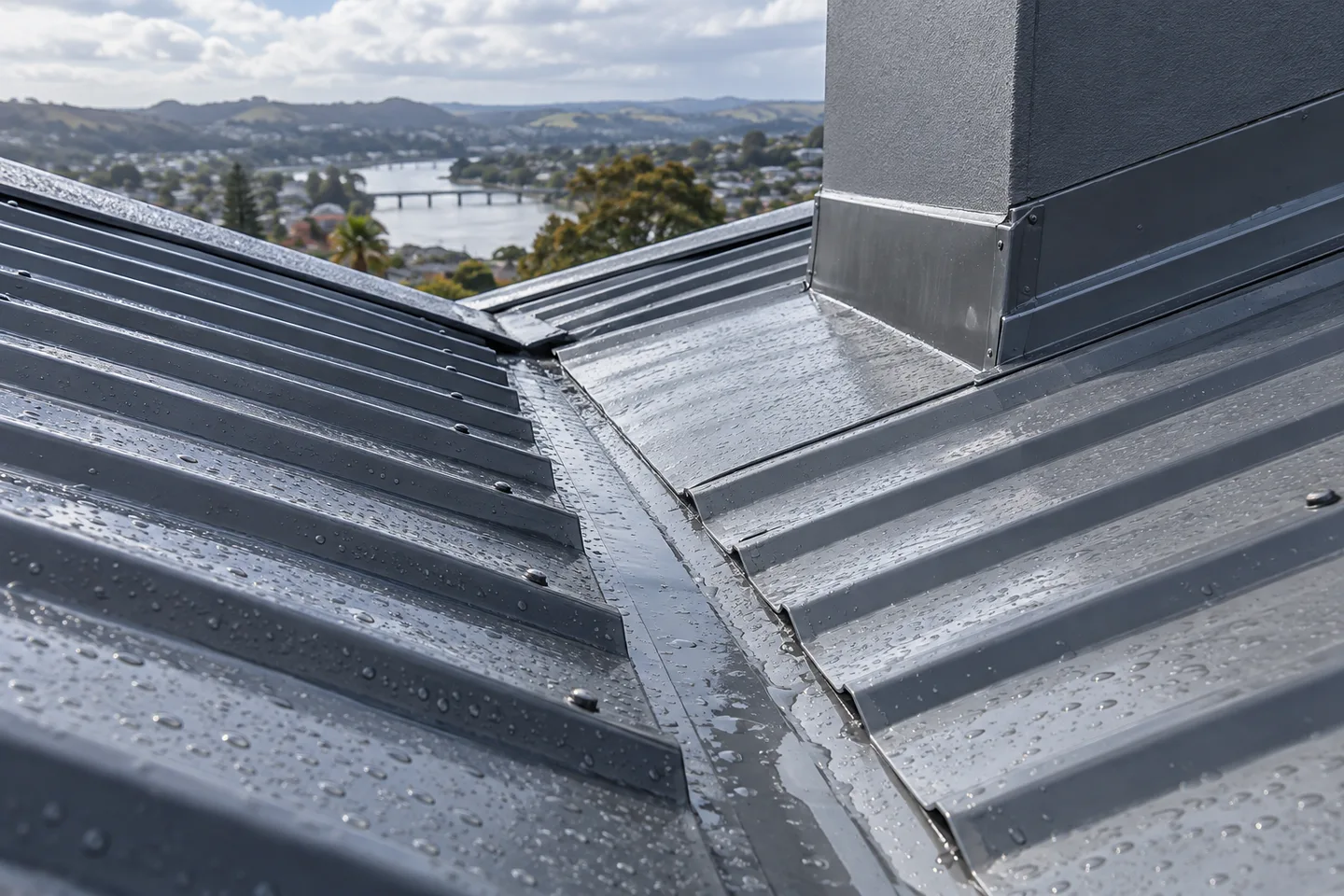
Let’s start with your property
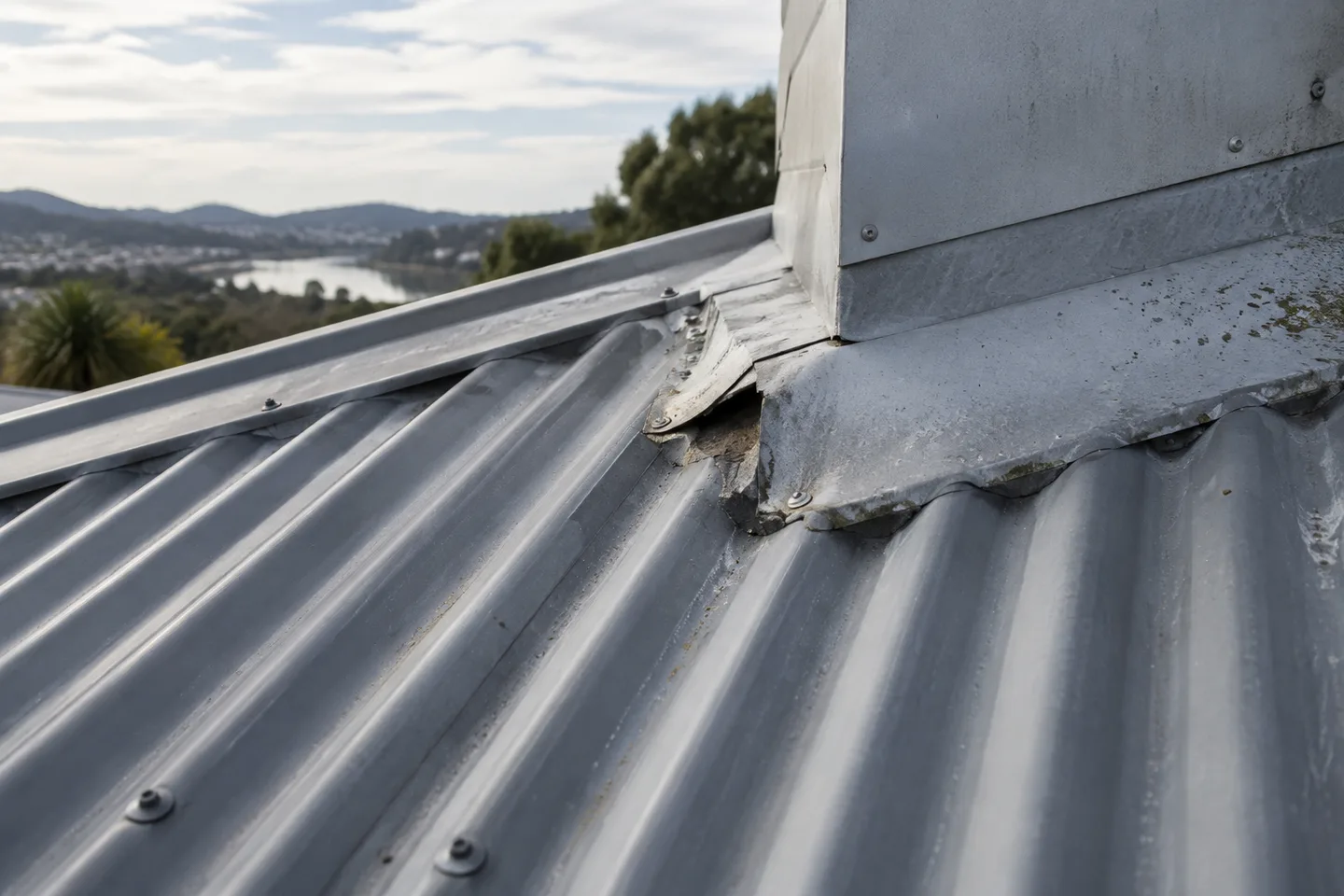
A leak rarely shows up directly above where the water's actually entering, which makes tracing the real source the hardest part of any repair. Whanganui roof leak detection covers a methodical check of likely entry points — flashings, penetrations, fixing points, ridge capping and sheet laps — cross-referenced against where the leak is showing inside. Water can travel along purlins, underlay or framing timber for some distance before it drips through a ceiling, so a quick look from inside the roof space is often needed alongside the external inspection. We'll identify the actual cause rather than guessing from ground level, then quote the repair needed once the source is confirmed. If a leak has been intermittent or only shows up in certain wind directions or rain intensities, that detail helps us narrow down the likely cause before we even get on the roof.
A clear scope. The right questions.
A considered next step.
Roof Leak Detection · signs & starting points
Define the work
Mark the affected room, stain location and weather conditions for each occurrence.
Look at roof junctions around the affected area rather than assuming the closest visible gap is responsible.
Record what could not be inspected and whether further access or opening-up is needed.
Ask for photographs that distinguish observed defects from possible causes still being investigated.
Why homeowners choose us
Water travels along purlins and underlay before it drips. We follow the actual path, so the repair happens where water enters rather than where the stain appeared.
When a leak appears, and in which wind and rainfall, narrows the source considerably. We take that history seriously before anyone climbs onto the roof to investigate.
Many sources are only visible from inside. Where access allows, we inspect the roof space alongside the exterior, because the evidence is often clearer underneath than above.
We confirm the cause before pricing a repair, so you're not paying for work that addresses a symptom and leaves the real entry point still open.
Consider the alternatives
What to expect on site
Leak detection usually involves inspection from both the roof exterior and inside the roof space, so expect us to need access to your ceiling cavity as well as the roof itself. This process can take some time, since tracing the actual source often means checking several possible entry points before confirming the cause — we won't guess at a fix before we're confident we've found the real problem. There's minimal noise or disruption involved in the detection process itself, though any resulting repair work will be quoted and scheduled separately.
Weather can actually help during detection, since inspecting a roof during or shortly after rain sometimes makes an active leak easier to trace than checking it on a dry day.
Questions about roof leak detection
Use these answers to prepare a brief for your property and clarify the proposed work.
What Affects a Roofing Quote?Describe a stain away from an obvious roof defect or the change you are planning. Existing reports, approximate age and safe photographs help establish what needs assessment.
Symptom mapping, Junction checks, Access limits, Findings record all matter. The condition of adjoining materials and the practical access arrangement can expand or limit the proposed work.
Ask whether related work can share access or preparation. Keep the components, responsibilities and exclusions itemised so you can compare the combined proposal.
Symptom mapping: Mark the affected room, stain location and weather conditions for each occurrence. Junction checks: Look at roof junctions around the affected area rather than assuming the closest visible gap is responsible. Access limits: Record what could not be inspected and whether further access or opening-up is needed. Findings record: Ask for photographs that distinguish observed defects from possible causes still being investigated.
Visible inspection: Discuss visible inspection when the assessment supports a defined scope. Ask which adjoining components can remain and how the new work will connect. Further targeted investigation: Consider further targeted investigation when the existing condition or project brief needs a wider approach. Confirm access, interfaces and exclusions before accepting the proposal.
For roof leak detection, discuss access limits and findings record early. Access, weather and adjoining building work can affect the sequence. Confirm material availability and how unexpected conditions will be priced before work starts.
Connected to roof leak detection
Understand leaks, damaged sheets and tired junctions before choosing a targeted repair.
View service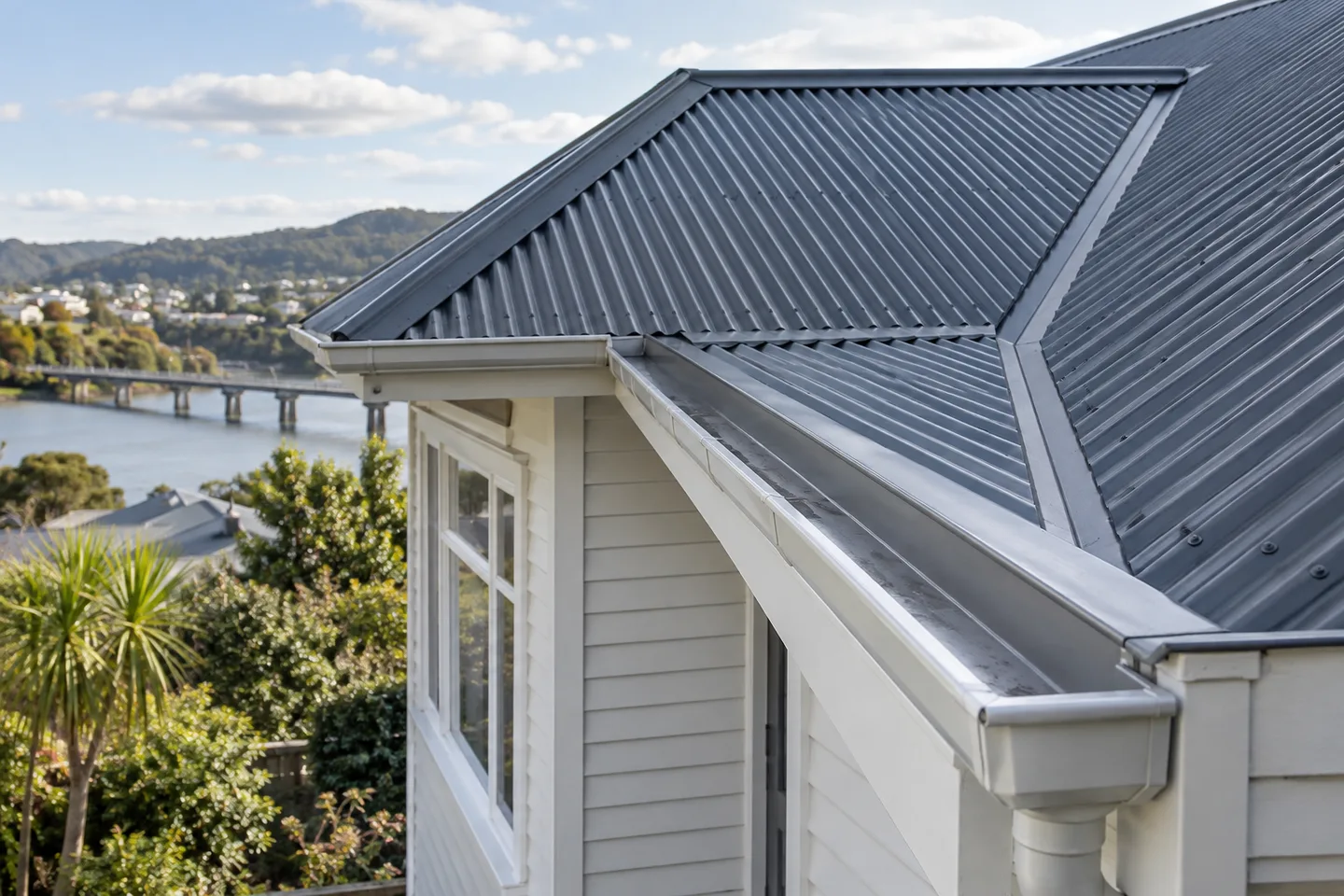
Build a practical picture of roof condition and prioritise maintenance before committing to major work.
View service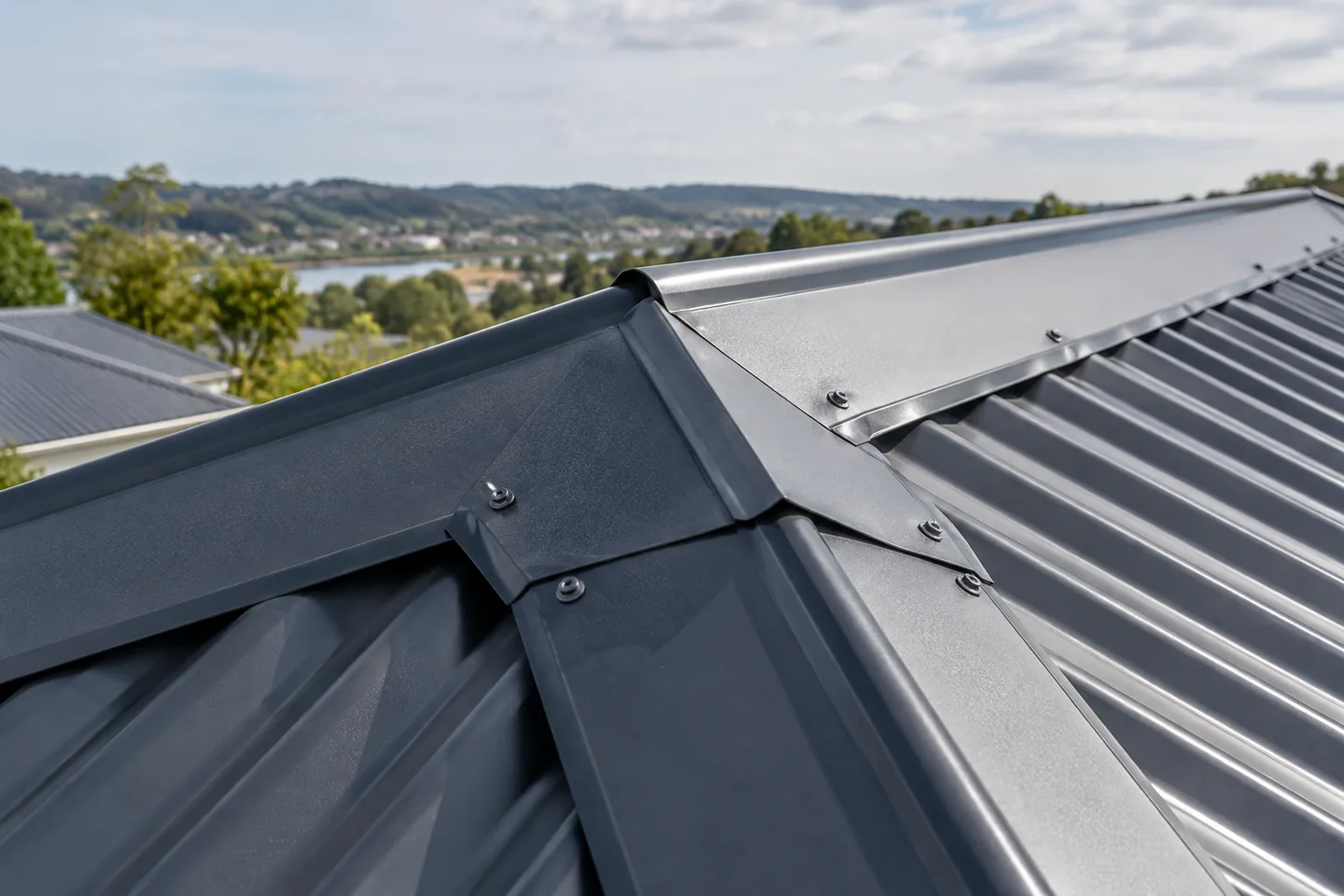
Focus on the junctions that keep roof edges, ridges and penetrations weather-resistant.
View serviceYour home. The next chapter.
Start with your suburb, your roof concerns and what you want to achieve.