Profile and pitch
Check the actual product limitations against the roof geometry.
Build & renew
Compare profiles, coatings and roof details for a considered metal roofing specification.
06 880 1066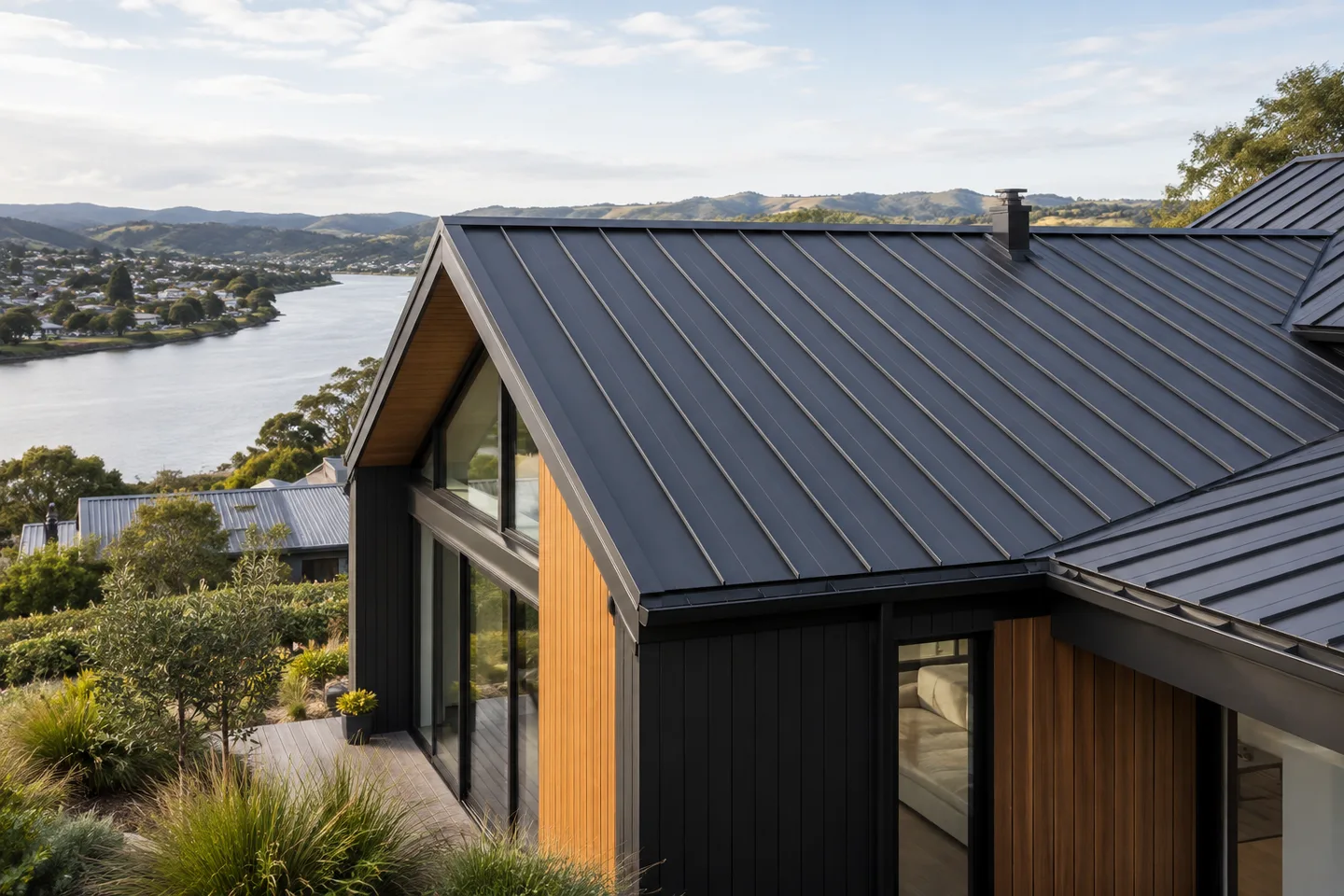
Let’s start with your property
Long-run steel is the most common roofing choice across Whanganui for good reason — few joins, fast water shedding and a lifespan that comfortably exceeds most other profiles. Whanganui long-run metal roofing covers supply and installation across the common profiles, colour-coated to AZ150 or ZINCALUME® standards for our coastal air. We roll-form or source sheets to length so there are minimal transverse joins on most standard runs, which is where a lot of long-run roofs actually start leaking if installed poorly. Fixing patterns, underlay and flashing details are set to the pitch and span of your roof, not a generic install. Whether it's a full re-roof, a garage or an extension tie-in, we match the existing profile and colour where required, or help you choose a new one that suits the house and the street.
A clear scope. The right questions.
A considered next step.
Is this your starting point?
A metal roof being specified for a new buildProfile, pitch and coating have to be matched to your site before anything is ordered, because a product that suits one roof can fail on another. Whanganui long-run metal roofing is specified against your actual roof geometry and exposure.
Replacement cladding being considered for an existing homeSwapping cladding changes loads, junctions and drainage across the whole roof, not just its appearance. Whanganui long-run metal roofing confirms the existing structure suits the new system, so the replacement performs rather than simply looking newer.
Coating deterioration or corrosion that needs assessmentOnce a coating breaks down the steel beneath is exposed, and corrosion accelerates with every wet season. Whanganui long-run metal roofing assesses whether the existing sheets can still be saved or whether replacement is now the more economical path.
A desire to understand profiles beyond colour aloneColour is the easiest choice to make and the least important to performance, since rib shape, pitch limits and fixing systems decide how the roof behaves. Whanganui long-run metal roofing compares profiles on the criteria that actually matter.
A closer look at the scope
Check the actual product limitations against the roof geometry.
Confirm environmental suitability and maintenance requirements.
Specify matching or compatible flashings, fasteners and rainwater interfaces.
Review sheet lengths, junctions and the way water leaves the roof.
Your options
A familiar curved appearance suited to many architectural styles; minimum pitch is product-specific.
Different rib shapes and fixing systems offer other visual options; do not assume their details are interchangeable.
Reasons to choose us
We match profile to pitch, span and exposure rather than to price alone, because a product that performs on one Whanganui roof can fail on another nearby.
Sheets are supplied to length wherever the run allows, reducing transverse laps. Fewer joins means fewer of the places where long-run roofs most commonly begin to leak.
Flashings, fixings and rainwater components are specified to work with your chosen system, avoiding the material incompatibilities that quietly accelerate corrosion on otherwise sound metal roofs.
We settle pitch limits, coating grade and fixing system before colour, so the roof is specified on performance and the appearance follows rather than leading the decision.
What to expect on site
Installing long-run steel involves roll-forming or delivering sheets to length, so expect a delivery of long panels that need clear access to get from the truck to your roof. We'll walk you through where material will be stored on-site temporarily, and confirm driveway or side access needed for the crew and any lifting equipment. The install itself is generally quicker than tiled roofing, but wind is the main weather risk — long sheets are harder to handle safely in gusty conditions, so we may adjust timing around the forecast.
We'll also confirm colour and profile with you again before the order is placed, since long-run sheets are typically made to measure and harder to swap once cut.
Questions about long-run metal roofing
Use these answers to prepare a brief for your property and clarify the proposed work.
Comparing Roofing MaterialsNo. Minimum pitch and installation requirements vary by profile and system. Check the current supplier details for the proposed roof.
Yes. The cleaning and inspection requirements depend on the product, location and roof details. Obtain the specific care schedule.
Compatibility needs checking. Ask the supplier to confirm the proposed roof, flashings, fixings and rainwater components work together.
Profile and pitch: Check the actual product limitations against the roof geometry. Exposure and coating: Confirm environmental suitability and maintenance requirements. Compatible components: Specify matching or compatible flashings, fasteners and rainwater interfaces. Movement and drainage: Review sheet lengths, junctions and the way water leaves the roof.
Corrugated profile: A familiar curved appearance suited to many architectural styles; minimum pitch is product-specific. Trapezoidal or tray profiles: Different rib shapes and fixing systems offer other visual options; do not assume their details are interchangeable.
Long sheets need suitable delivery, lifting and storage arrangements. Coastal exposure, sheltered unwashed areas and contact with other materials should be discussed with the supplier. Ask for product specifications and care guidance for your chosen roofing system.
Connected to long-run metal roofing
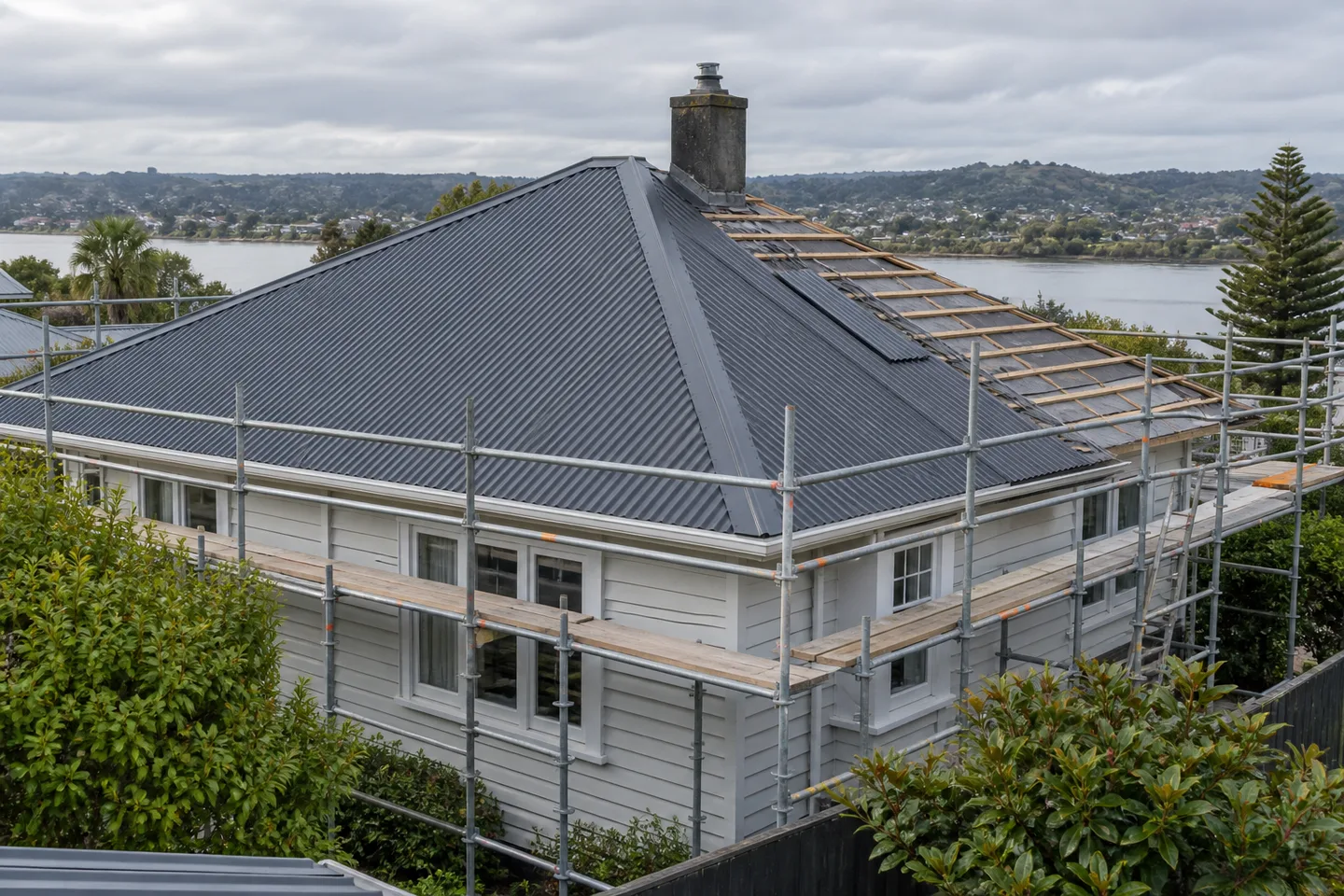
Plan a re-roof around the condition of your existing roof, the right materials and everyday life at home.
View service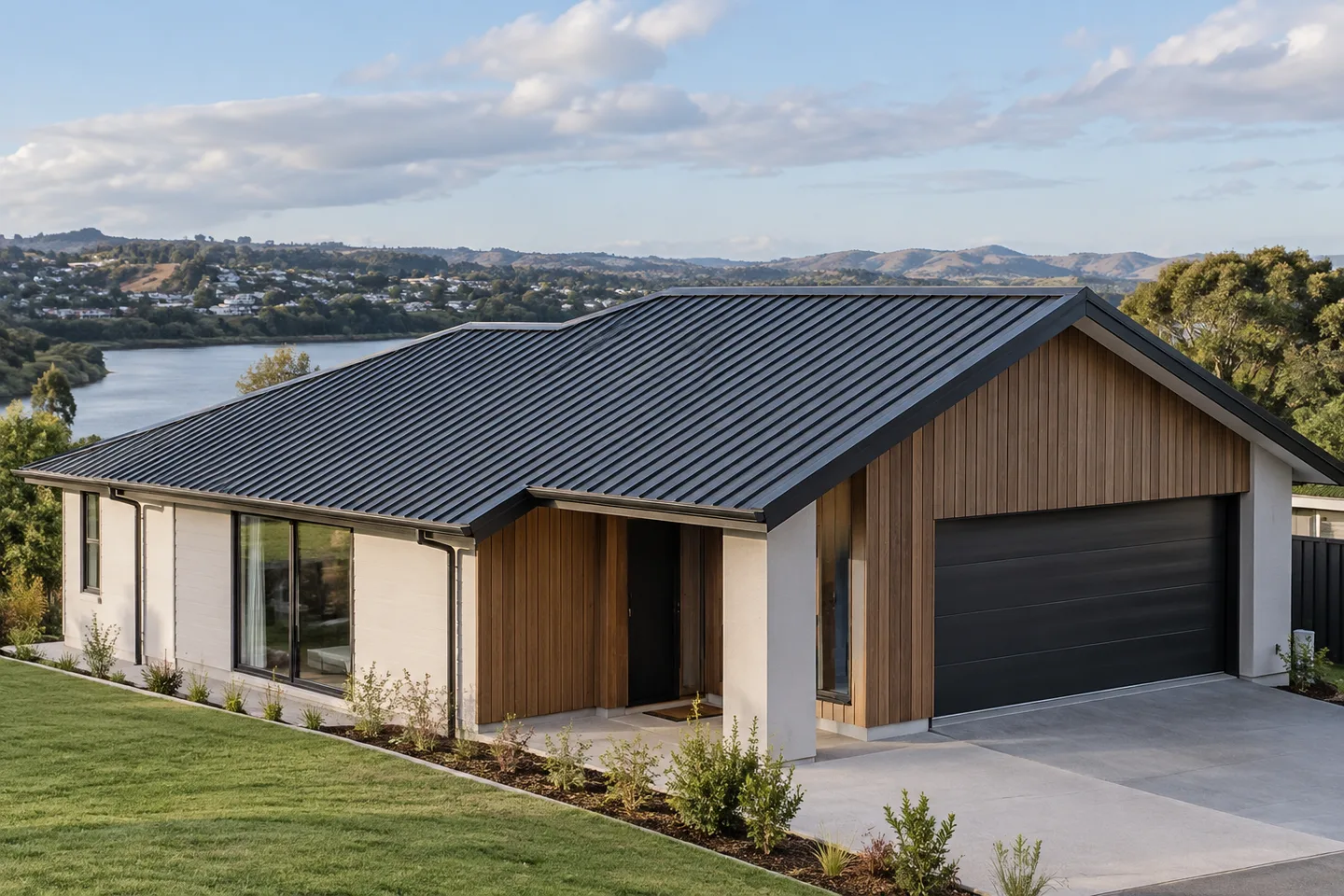
Coordinate the roof specification, structure and installation sequence with your new build.
View service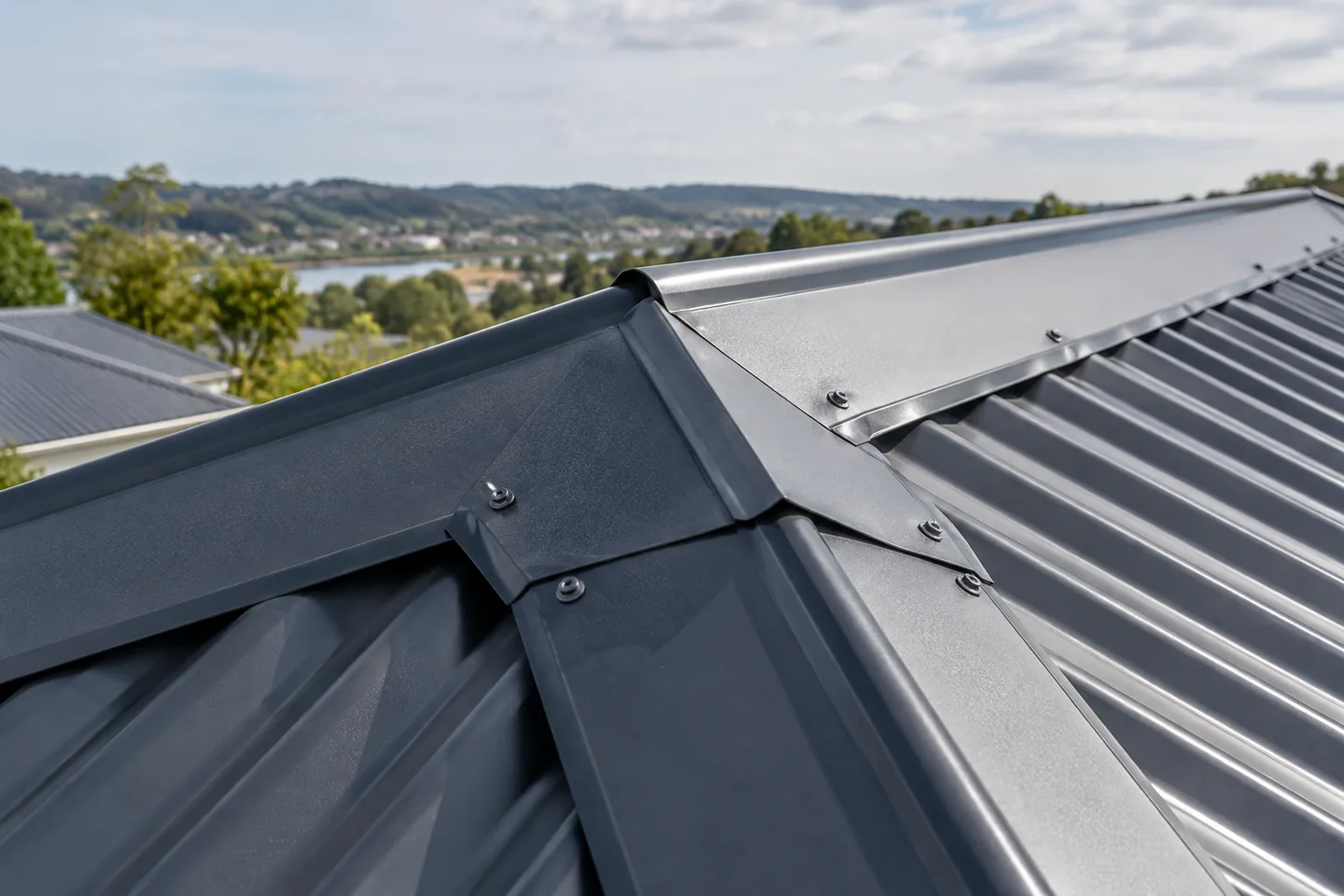
Focus on the junctions that keep roof edges, ridges and penetrations weather-resistant.
View serviceYour home. The next chapter.
Start with your suburb, your roof concerns and what you want to achieve.