Build & renew
Whanganui Standing Seam Roofing
Standing Seam Roofing in Whanganui: tray widths, seams and junctions define the finished appearance as much as the colour.
06 880 1066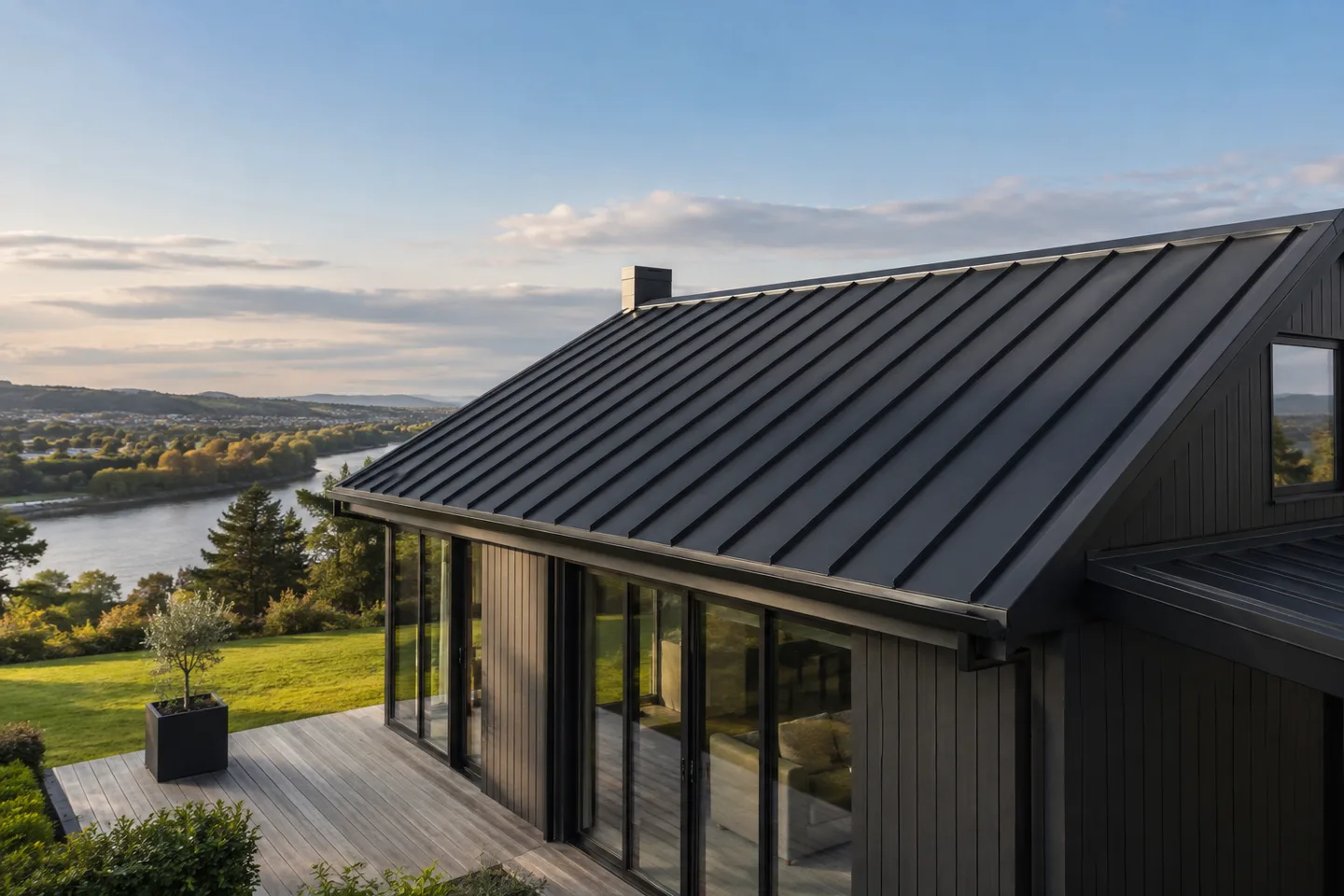
Let’s start with your property
Standing Seam Roofing Whanganui
Standing seam roofing gives a clean, ridge-free look with concealed fixings, which is why it's increasingly requested for architectural homes across the district. Whanganui standing seam roofing is mechanically seamed or clip-fixed on site to suit the panel width and roof geometry, with no exposed screws for weather or UV to work loose over time. This profile suits low-pitch roofs and curved or architecturally detailed designs better than most corrugated or trapezoidal options, and it reads as a premium finish from the street. Installation is more specialised than standard long-run roofing, so panel layout, expansion allowance and flashing detail all get planned before the first panel goes down. If you're building new or doing a statement renovation and want a roof that looks as considered as the rest of the house, this is usually the profile to ask about.
A clear scope. The right questions.
A considered next step.
What brought you here?
Why You Need A Standing Seam Roofing Service in Whanganui
A preference for defined panel lines
Panel lines read as a deliberate design decision from the street, and they only look right when they're set out before installation begins. Whanganui standing seam roofing plans panel widths and seam spacing across the roof, so the finished lines stay consistent.Complex roof edges needing drawn details
Curves, changes of pitch and unusual edges are where standard roofing details stop working and leaks begin. Whanganui standing seam roofing resolves those junctions on paper first, so the finished edges are both weathertight and visually clean.The detail that matters
Standing Seam Roofing Contractors in Whanganui: How We Work
Standing seam roofing gives a clean, ridge-free look with concealed fixings, which is why it's increasingly requested for architectural homes across the district. Whanganui standing seam roofing is mechanically seamed or clip-fixed on site to suit the panel width and roof geometry, with no exposed screws for weather or UV to work loose over time. This profile suits low-pitch roofs and curved or architecturally detailed designs better than most corrugated or trapezoidal options, and it reads as a premium finish from the street. Installation is more specialised than standard long-run roofing, so panel layout, expansion allowance and flashing detail all get planned before the first panel goes down. If you're building new or doing a statement renovation and want a roof that looks as considered as the rest of the house, this is usually the profile to ask about.
Panel layout
Agree where full and cut panels fall, particularly near prominent edges and rooflights.
Seam system
Identify the specific seam and fixing system rather than treating all tray roofs as interchangeable.
Movement allowance
Have the designer or supplier resolve panel movement and attachment details for the chosen system.
Edge detailing
Request the ridge, verge and wall junction drawings before fabrication begins.
Compare the scope
Standing Seam or Standard Long-Run? What's the Difference?
Narrow trays
Discuss narrow trays when the assessment supports a defined scope. Ask which adjoining components can remain and how the new work will connect.
Wider trays
Consider wider trays when the existing condition or project brief needs a wider approach. Confirm access, interfaces and exclusions before accepting the proposal.
What sets us apart
Why Choose Our Whanganui Standing Seam Roofing Experts?
- 01
Genuine standing seam capability
Seamed and clip-fixed roofing is more specialised than standard long-run work. We plan panel layout, expansion and seaming properly, because this profile is unforgiving of an approximate installation.
- 02
Design intent protected
Architectural roofs are judged on their lines. We set out panel widths and seam spacing across the whole roof first, so the finished result matches what was drawn.
- 03
Concealed fixings, done right
With no exposed screws, weathertightness depends entirely on clips, seams and flashing details. We resolve each of those before installation rather than adapting on the roof.
- 04
Complex edges resolved on paper
Curves, pitch changes and unusual junctions are detailed before any panel is cut, so the finished edges are both weathertight and as clean as the design intended.
What to expect on site
Before Our Whanganui Roofers Start: What Homeowners Should Know
Standing seam is a more specialised install than standard long-run roofing, often involving on-site seaming equipment, so expect a slightly longer timeline and some additional equipment noise during the seaming process. We'll confirm site access for this equipment ahead of time, along with panel delivery logistics, since panel lengths and layout are usually confirmed to the millimetre before manufacture. Precision matters more here than on standard profiles, so we'll walk you through the panel layout plan before work starts to confirm it matches what you're expecting.
Weather sensitivity is similar to other long-run roofing — wind and rain can pause seaming work — but we'll keep you updated on timeline changes as they come up rather than leaving you guessing.
Questions about standing seam roofing
Frequently Asked Questions
Use these answers to prepare a brief for your property and clarify the proposed work.
Comparing Roofing MaterialsWhat should I provide for standing seam roofing?
Describe an architectural roof specification or the change you are planning. Existing reports, approximate age and safe photographs help establish what needs assessment.
What changes the scope of this work?
Panel layout, Seam system, Movement allowance, Edge detailing all matter. The condition of adjoining materials and the practical access arrangement can expand or limit the proposed work.
Can this be combined with other roof work?
Ask whether related work can share access or preparation. Keep the components, responsibilities and exclusions itemised so you can compare the combined proposal.
What should a standing seam roofing quote include?
Panel layout: Agree where full and cut panels fall, particularly near prominent edges and rooflights. Seam system: Identify the specific seam and fixing system rather than treating all tray roofs as interchangeable. Movement allowance: Have the designer or supplier resolve panel movement and attachment details for the chosen system. Edge detailing: Request the ridge, verge and wall junction drawings before fabrication begins.
What options should I discuss before choosing the work?
Narrow trays: Discuss narrow trays when the assessment supports a defined scope. Ask which adjoining components can remain and how the new work will connect. Wider trays: Consider wider trays when the existing condition or project brief needs a wider approach. Confirm access, interfaces and exclusions before accepting the proposal.
What should I plan for before work begins?
For standing seam roofing, discuss movement allowance and edge detailing early. Access, weather and adjoining building work can affect the sequence. Confirm material availability and how unexpected conditions will be priced before work starts.
Connected to standing seam roofing
Other Roofing Services in Whanganui
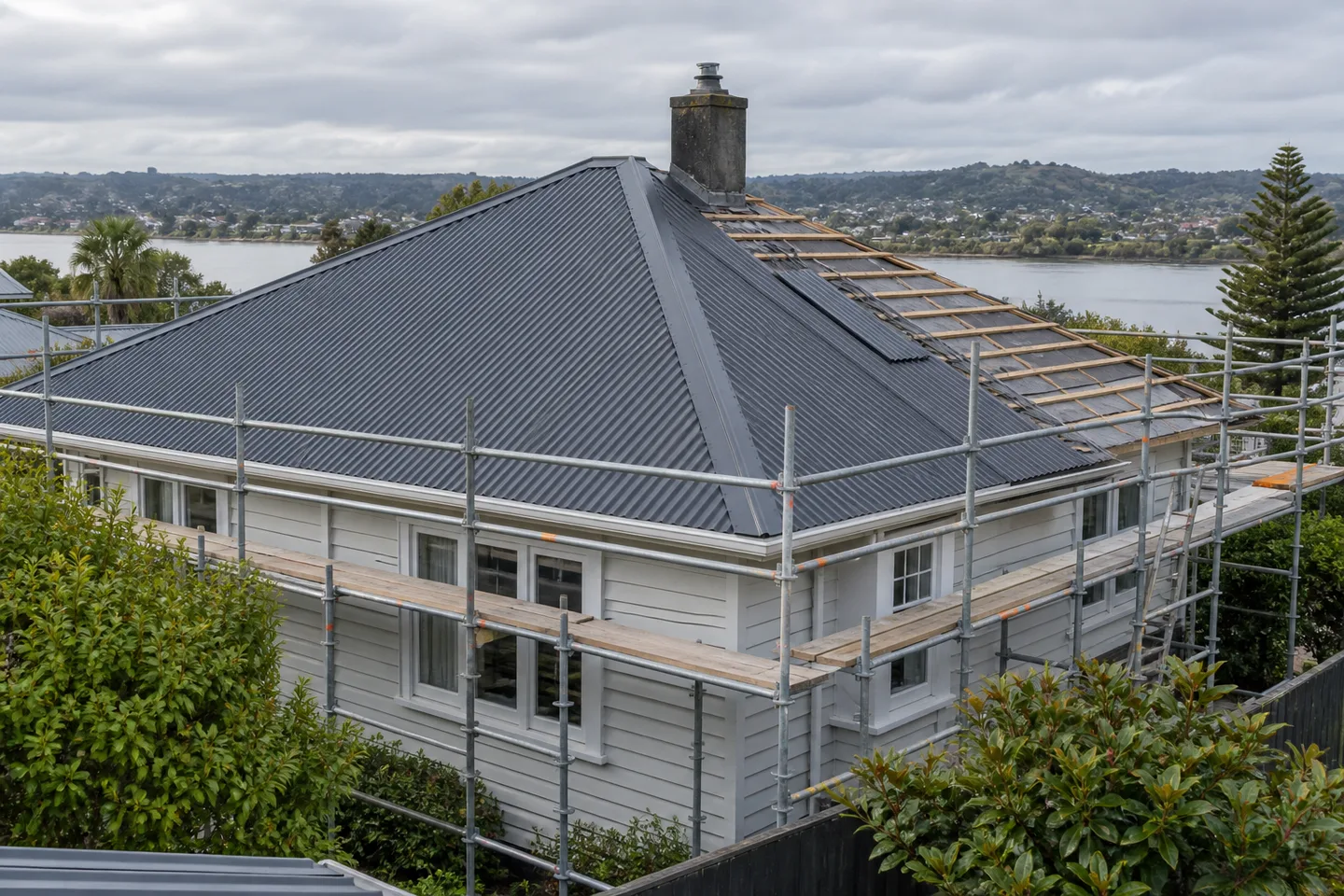
Roof Replacement
Plan a re-roof around the condition of your existing roof, the right materials and everyday life at home.
View service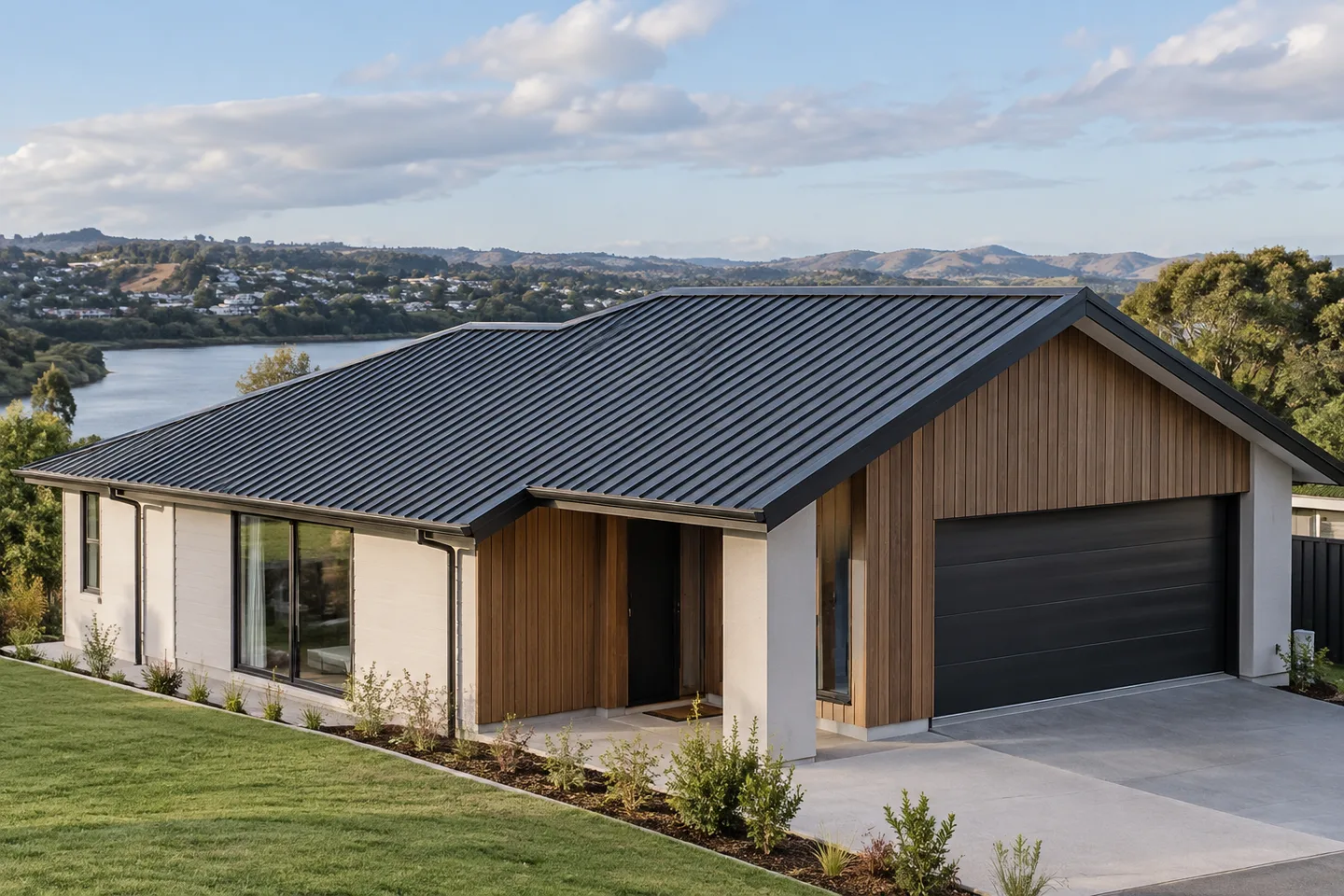
New Roof Installation
Coordinate the roof specification, structure and installation sequence with your new build.
View service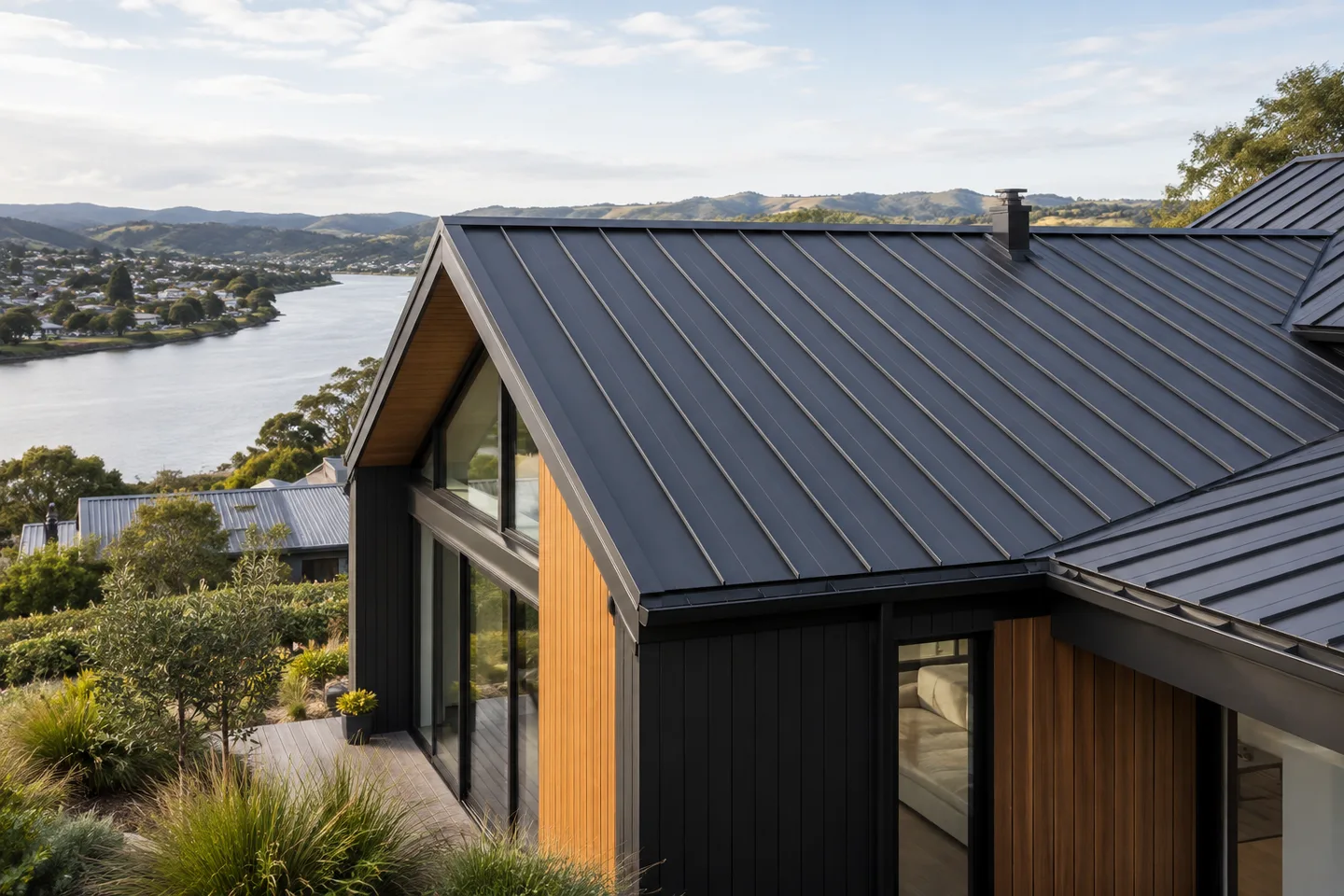
Long-Run Metal Roofing
Compare profiles, coatings and roof details for a considered metal roofing specification.
View serviceYour home. The next chapter.
Let’s get your roof right.
Start with your suburb, your roof concerns and what you want to achieve.