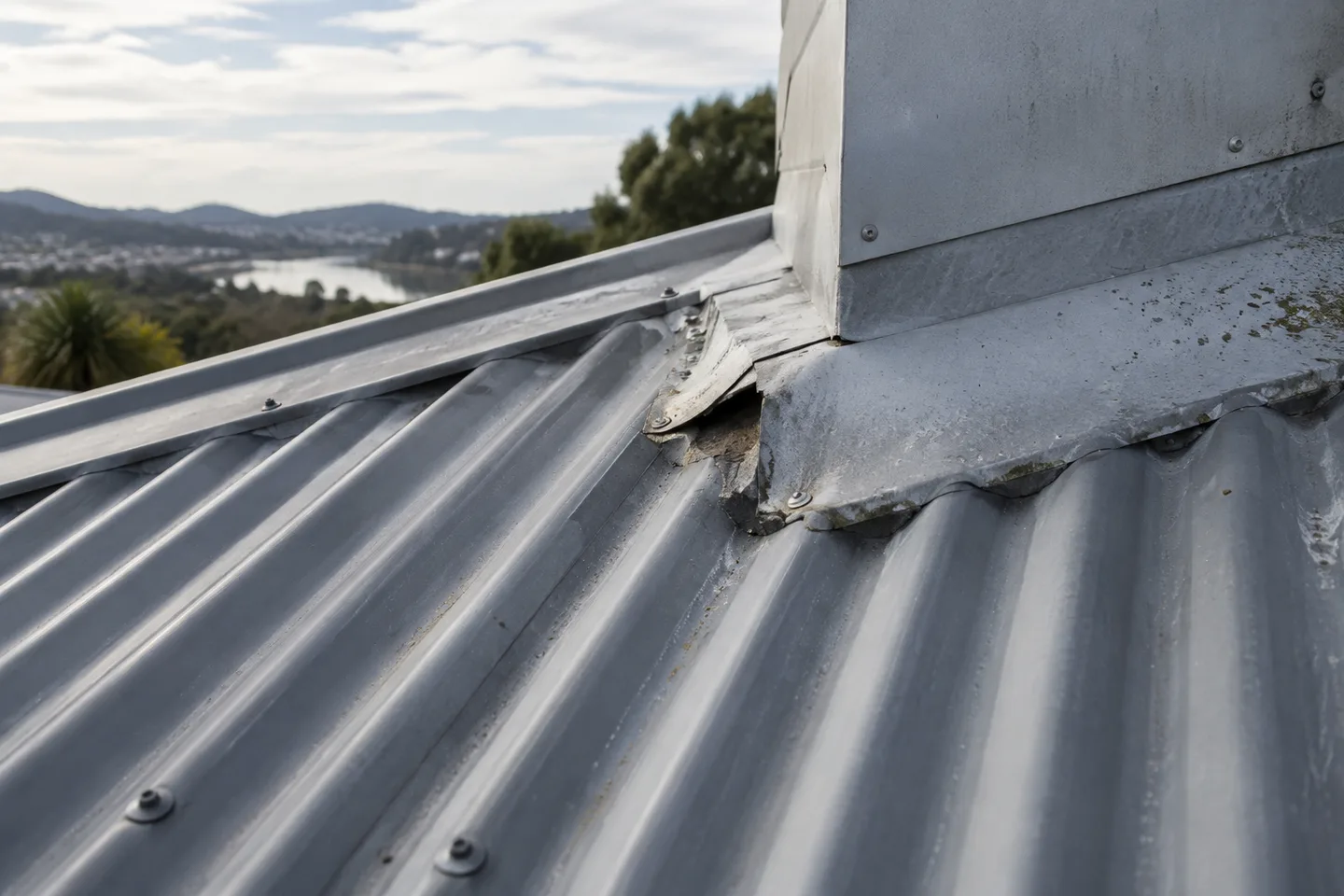
Roof Repairs
Understand leaks, damaged sheets and tired junctions before choosing a targeted repair.
View serviceRoof drainage
Gutter Cleaning in Whanganui: cleaning should include a record of visible defects that become apparent once debris is removed.
06 880 1066
Let’s start with your property
Blocked gutters don't just overflow during rain — trapped debris holds moisture against the spouting and roof edge, accelerating rust and creating a genuine fire risk when dry leaves build up. Whanganui gutter cleaning covers full clearing of leaves, debris and silt buildup, along with a check of fall, brackets and outlets while we're up there. We flush downpipes as part of the job to confirm they're running clear, since a clean gutter feeding a blocked downpipe still causes overflow. Regular cleaning, generally twice yearly or more often under overhanging trees, prevents the water damage to fascia, cladding and foundations that comes from persistent overflow. It's also the easiest way to catch early gutter or roof edge problems, since a lot of rust and damage first becomes visible during a proper clean-out.
A clear scope. The right questions.
A considered next step.
Gutter Cleaning · signs & starting points
Define the work
Identify areas of leaf buildup and any roof valleys feeding debris into the gutter.
Agree suitable access, especially over conservatories, steep ground or narrow paths.
Check accessible outlets after clearing and note any further blockage investigation required.
Record visible corrosion, leaking joints or loose brackets separately from the cleaning scope.
Why homeowners choose us
A clean gutter feeding a blocked downpipe still overflows. We flush the downpipes to confirm the whole system runs clear before we call the job finished.
Clearing gutters is when early rust, loose brackets and roof-edge damage become visible. We report anything found, so small problems get caught at the cheap stage.
Properties under trees fill far faster than a standard schedule allows. We set a realistic interval for your tree cover rather than applying a generic twice-yearly rule.
Persistent overflow damages fascia, cladding and foundations. Regular clearing protects the building, which is the actual reason the job is worth doing at all.
Consider the alternatives
What to expect on site
Gutter cleaning is a low-disruption, single-visit service, with equipment set up to reach your gutters safely from ladders or, on larger properties, a platform. We'll confirm access around the property and flag if any garden areas below might get some debris runoff during clearing. Noise is minimal, mostly from ladder movement and occasional flushing of downpipes to check they're running clear. This work can generally be done in a range of weather conditions, though we'll avoid climbing onto a wet or icy roof edge for safety reasons.
We'll confirm timing with you and let you know roughly how long the clean will take depending on how overgrown your gutters currently are and your roof's overall size.
Questions about gutter cleaning
Use these answers to prepare a brief for your property and clarify the proposed work.
Maintaining Gutters & DownpipesDescribe leaves filling a gutter or the change you are planning. Existing reports, approximate age and safe photographs help establish what needs assessment.
Debris extent, Safe access, Outlet clearance, Condition observations all matter. The condition of adjoining materials and the practical access arrangement can expand or limit the proposed work.
Ask whether related work can share access or preparation. Keep the components, responsibilities and exclusions itemised so you can compare the combined proposal.
Debris extent: Identify areas of leaf buildup and any roof valleys feeding debris into the gutter. Safe access: Agree suitable access, especially over conservatories, steep ground or narrow paths. Outlet clearance: Check accessible outlets after clearing and note any further blockage investigation required. Condition observations: Record visible corrosion, leaking joints or loose brackets separately from the cleaning scope.
Routine clearing: Discuss routine clearing when the assessment supports a defined scope. Ask which adjoining components can remain and how the new work will connect. Clearing with defect reporting: Consider clearing with defect reporting when the existing condition or project brief needs a wider approach. Confirm access, interfaces and exclusions before accepting the proposal.
For gutter cleaning, discuss outlet clearance and condition observations early. Access, weather and adjoining building work can affect the sequence. Confirm material availability and how unexpected conditions will be priced before work starts.
Connected to gutter cleaning
Understand leaks, damaged sheets and tired junctions before choosing a targeted repair.
View service
Build a practical picture of roof condition and prioritise maintenance before committing to major work.
View service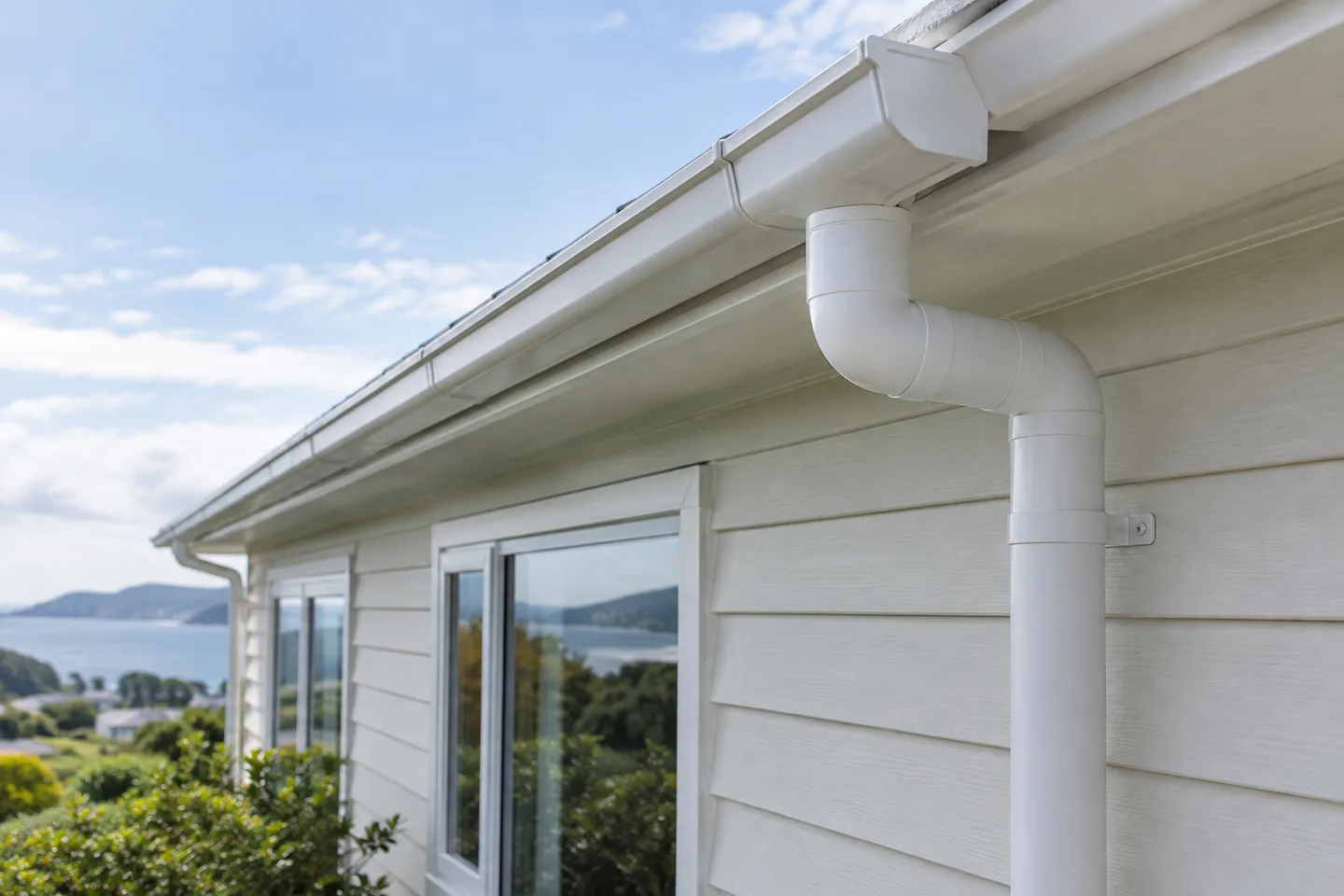
Consider gutters, outlets, downpipes and fascia together to understand roof drainage problems.
View serviceYour home. The next chapter.
Start with your suburb, your roof concerns and what you want to achieve.