Debris type
Describe the leaves, needles or other debris that regularly reaches the gutter.
Roof drainage
Gutter Guard Installation in Whanganui: guard selection should suit the gutter, roof covering and the type of debris reaching the building.
06 880 1066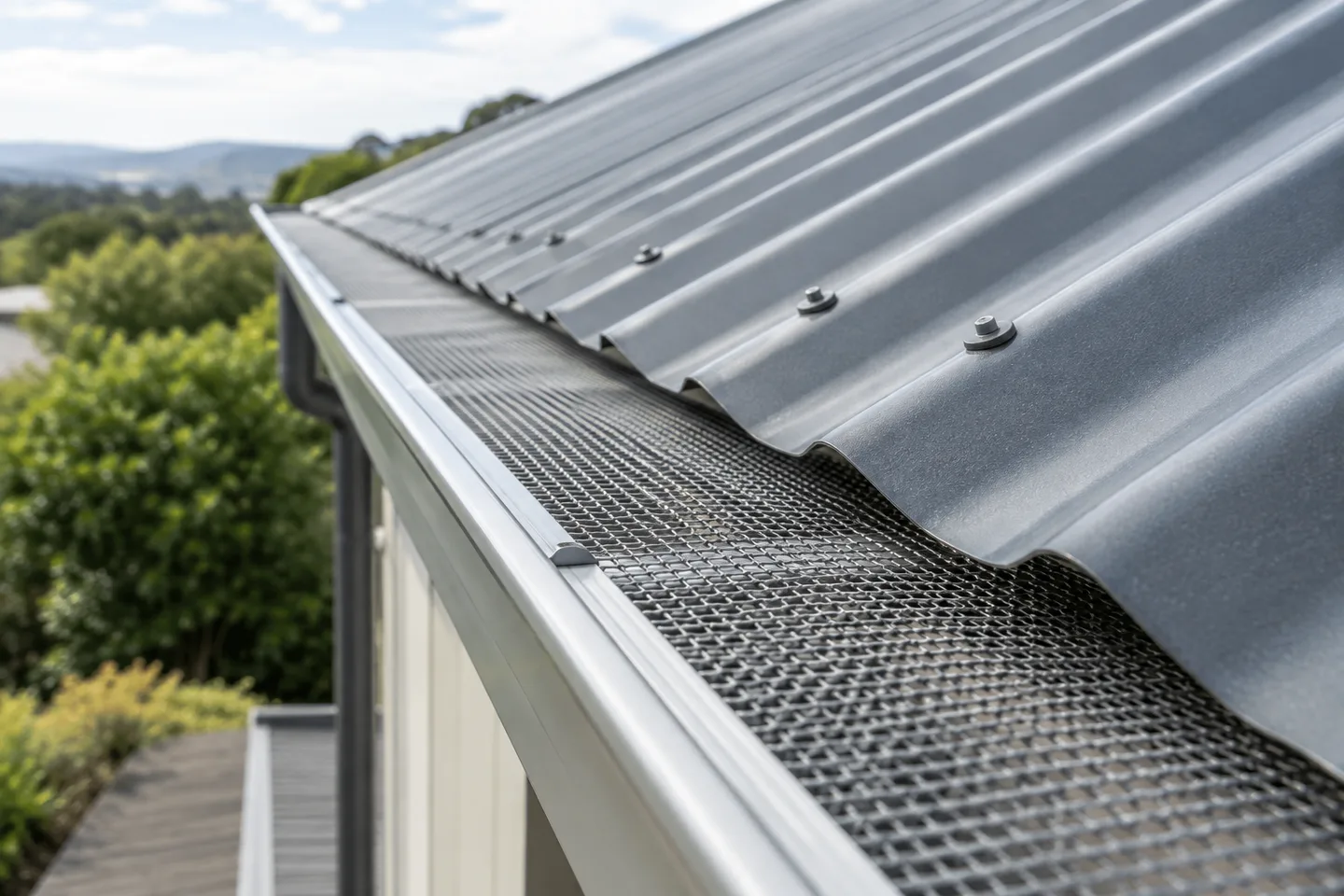
Let’s start with your property
Gutter guards reduce how often you need to clear debris, which matters most on properties with overhanging trees or hard-to-access rooflines. Whanganui gutter guard installation covers fitting mesh or profile guards suited to your gutter type and the kind of debris your property typically sheds — fine pine needles need a different mesh size than broad-leaf litter. We install guards without compromising water flow into the gutter, since a poorly fitted guard can cause its own overflow problems by deflecting water instead of letting it through. This is a worthwhile investment for properties where regular gutter cleaning is difficult, costly, or simply gets missed, though guards still need occasional checking rather than being entirely maintenance-free. We'll advise honestly on whether guards suit your specific roof and tree coverage, since they're not the right fit for every property.
A clear scope. The right questions.
A considered next step.
Start with an observation
01Frequent leaf accumulationIf gutters fill faster than you can clear them, overflow and the damage it causes become a recurring cost. Whanganui gutter guard installation reduces how often clearing is needed, without restricting the flow into the gutter.
02Trees close to the roof edgeOverhanging branches drop debris directly into the gutter year-round, and the roof stays damp beneath them. Whanganui gutter guard installation keeps the bulk of that material out, with mesh matched to your particular debris type.
03A planned gutter replacementGuards are simplest and cheapest to fit while the gutters are being replaced anyway, rather than as a separate job later. Whanganui gutter guard installation is best specified alongside new spouting for exactly that reason.
Scope notebook
Describe the leaves, needles or other debris that regularly reaches the gutter.
Check the guard against the roof edge and gutter profile before choosing a system.
Ask how gutters and outlets will remain accessible for future inspection and cleaning.
Confirm how the guard will attach without compromising the roofing or rainwater components.
Why work with us
Fine pine needles and broad leaf litter need different guards. We select the mesh for what your property actually sheds, rather than fitting one standard product everywhere.
A poorly fitted guard deflects water straight past the gutter. We install so debris is excluded without creating the overflow problem the guard was meant to prevent.
Guards are not right for every roof or every property. If yours is a poor candidate we will say so rather than selling you something that disappoints.
Guards are simplest and cheapest to install while gutters are being replaced anyway. We will tell you when combining the jobs saves you money overall.
Two ways to frame the work
Discuss local leaf protection when the assessment supports a defined scope. Ask which adjoining components can remain and how the new work will connect.
Consider whole-run protection when the existing condition or project brief needs a wider approach. Confirm access, interfaces and exclusions before accepting the proposal.
What to expect on site
Installing gutter guards involves working along your entire roofline to fit mesh or profile guards section by section, so expect ladder access moving progressively around the property rather than staying in one spot. We'll confirm material delivery and how guards will be cut and fitted to your specific gutter profile. Noise is low, mostly from cutting guard material to length and fixing it into place. This work can generally proceed in light rain since it's external fixing work along already-installed gutters, though we'll pause in heavy rain or high wind for safety.
We'll confirm timing once we've assessed your gutter type and the debris load your property typically sheds, since this affects which guard type suits best.
Questions about gutter guard installation
Use these answers to prepare a brief for your property and clarify the proposed work.
Maintaining Gutters & DownpipesDescribe frequent leaf accumulation or the change you are planning. Existing reports, approximate age and safe photographs help establish what needs assessment.
Debris type, System compatibility, Cleaning access, Attachment details all matter. The condition of adjoining materials and the practical access arrangement can expand or limit the proposed work.
Ask whether related work can share access or preparation. Keep the components, responsibilities and exclusions itemised so you can compare the combined proposal.
Debris type: Describe the leaves, needles or other debris that regularly reaches the gutter. System compatibility: Check the guard against the roof edge and gutter profile before choosing a system. Cleaning access: Ask how gutters and outlets will remain accessible for future inspection and cleaning. Attachment details: Confirm how the guard will attach without compromising the roofing or rainwater components.
Local leaf protection: Discuss local leaf protection when the assessment supports a defined scope. Ask which adjoining components can remain and how the new work will connect. Whole-run protection: Consider whole-run protection when the existing condition or project brief needs a wider approach. Confirm access, interfaces and exclusions before accepting the proposal.
For gutter guard installation, discuss cleaning access and attachment details early. Access, weather and adjoining building work can affect the sequence. Confirm material availability and how unexpected conditions will be priced before work starts.
Connected to gutter guard installation
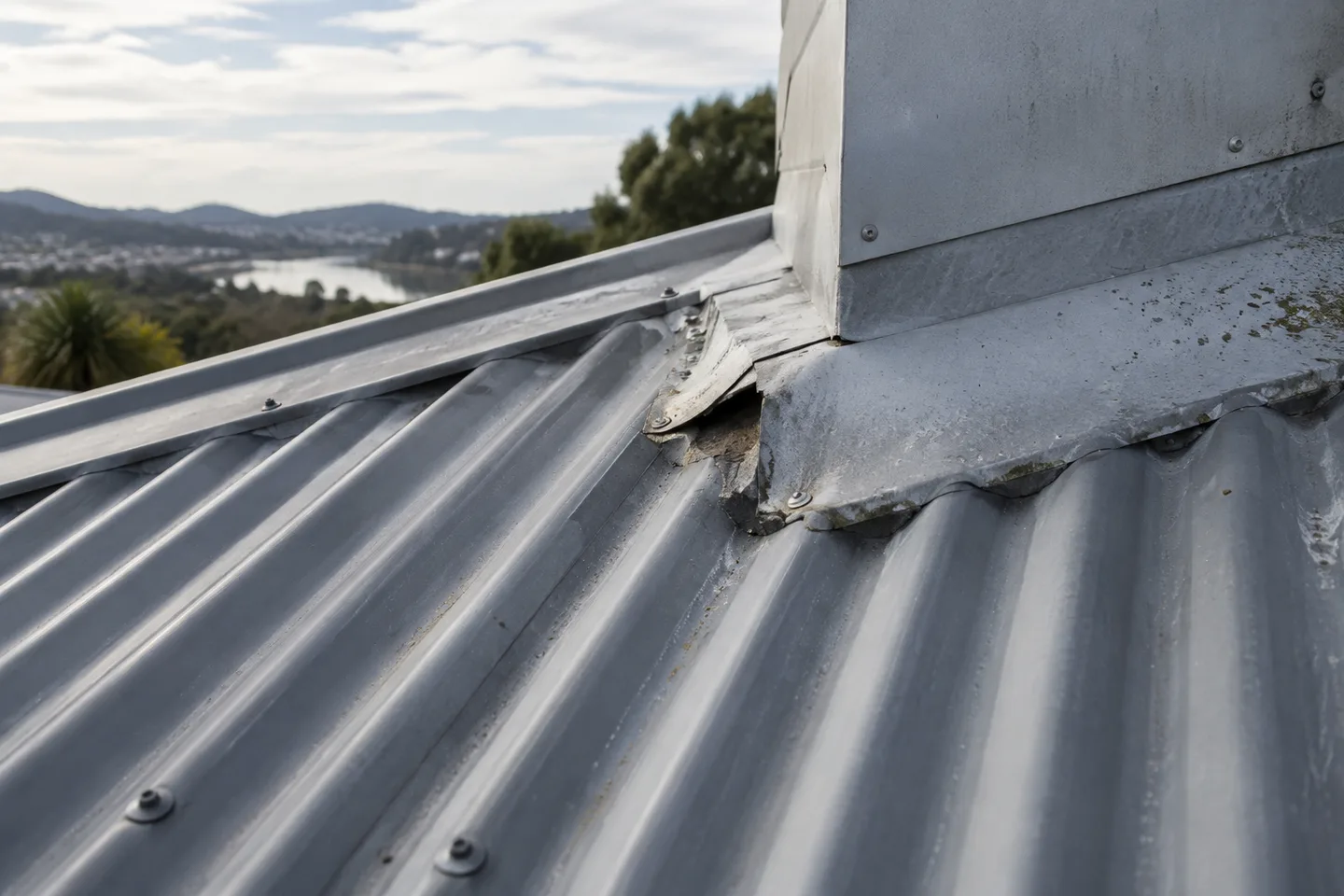
Understand leaks, damaged sheets and tired junctions before choosing a targeted repair.
View service
Build a practical picture of roof condition and prioritise maintenance before committing to major work.
View service
Consider gutters, outlets, downpipes and fascia together to understand roof drainage problems.
View serviceYour home. The next chapter.
Start with your suburb, your roof concerns and what you want to achieve.