Cap profile
Match the ridge cap shape to the roof form and the selected sheet system.
Roof junctions
Ridge Capping Replacement in Whanganui: ridge work should account for both roof planes and the condition of the sheets beneath the cap.
06 880 1066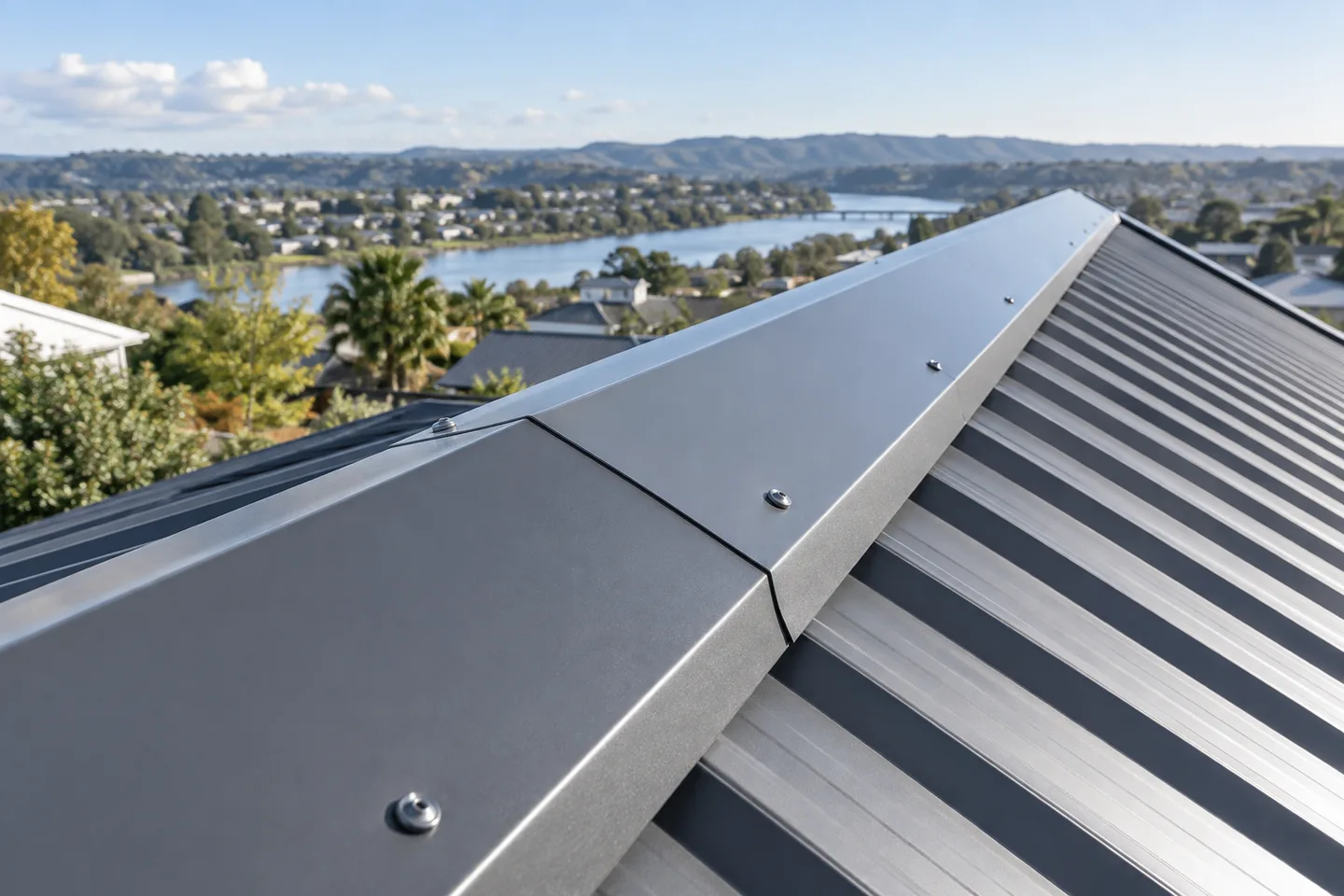
Let’s start with your property
Ridge capping covers the most exposed line on your entire roof, taking the brunt of wind uplift and driving rain that flatter roof sections rarely see to the same degree. Whanganui ridge capping replacement covers removing worn, lifted or corroded ridge capping and refitting new capping with correct fixing and sealing for the ridge profile and roof pitch involved. Lifted or loose ridge capping is one of the more common storm damage findings we see, since wind uplift concentrates along the ridge line more than almost anywhere else on the roof. We match capping profile and colour to your existing roofing wherever possible, and check the sealant and fixing pattern underneath rather than simply refitting the same capping if it's shown to be the wrong type or spacing for the roof's exposure. This is often a standalone job rather than part of a full re-roof.
A clear scope. The right questions.
A considered next step.
Start with an observation
01Lifted ridge edgesThe ridge takes more wind uplift than anywhere else on the roof, so a lifted edge is both a leak path and the start of progressive failure. Whanganui ridge capping replacement re-secures the apex before wind opens it further.
02Corroded ridge overlapsOverlaps at the ridge hold moisture between layers, so corrosion works from the inside where it can't be seen. Whanganui ridge capping replacement renews the capping and checks the fixings and sheets sitting underneath it.
03Water entry near the roof apexWater appearing near the apex points to the capping or its fixings rather than the roof sheets themselves. Whanganui ridge capping replacement addresses the actual junction, so the leak stops instead of being sealed over once again.
Scope notebook
Match the ridge cap shape to the roof form and the selected sheet system.
Check the roof sheets beneath the cap for defects that would remain after cap replacement.
Include ridge junctions and end terminations rather than treating the ridge as a simple straight length.
Assess attachment points and surrounding material when caps have lifted or loosened.
Why work with us
The ridge takes more wind uplift than anywhere else on the roof. We fix and seal capping for that exposure rather than to a general roofing standard.
Lifted capping usually means something beneath it has failed too. We inspect the fixings and sheet ends while the ridge is open, rather than covering the problem again.
New capping is matched to your existing roofing as closely as availability allows, so the repair sits into the roofline instead of drawing the eye along the ridge.
Ridge capping rarely needs a full re-roof to put right. We scope it as its own job, so you fix what has failed without funding work you don't need.
Two ways to frame the work
Discuss local ridge repair when the assessment supports a defined scope. Ask which adjoining components can remain and how the new work will connect.
Consider complete ridge run when the existing condition or project brief needs a wider approach. Confirm access, interfaces and exclusions before accepting the proposal.
What to expect on site
Ridge capping work is generally contained to the roof's highest point, so expect activity along the ridge line specifically rather than across the wider roof, typically completed within a matter of hours. We'll confirm ladder and roof access needed to reach the ridge safely, and flag if any additional support or scaffolding is required depending on your roof's pitch and height. Noise is moderate, from removing old capping and fixing new capping into place.
Because the ridge is the most wind-exposed part of the roof, we avoid this work in high wind or heavy rain for safety reasons, so we'll confirm the day once conditions look settled enough to complete the job properly in one visit.
Questions about ridge capping replacement
Use these answers to prepare a brief for your property and clarify the proposed work.
What Affects a Roofing Quote?Describe lifted ridge edges or the change you are planning. Existing reports, approximate age and safe photographs help establish what needs assessment.
Cap profile, Sheet interfaces, Laps and ends, Attachment condition all matter. The condition of adjoining materials and the practical access arrangement can expand or limit the proposed work.
Ask whether related work can share access or preparation. Keep the components, responsibilities and exclusions itemised so you can compare the combined proposal.
Cap profile: Match the ridge cap shape to the roof form and the selected sheet system. Sheet interfaces: Check the roof sheets beneath the cap for defects that would remain after cap replacement. Laps and ends: Include ridge junctions and end terminations rather than treating the ridge as a simple straight length. Attachment condition: Assess attachment points and surrounding material when caps have lifted or loosened.
Local ridge repair: Discuss local ridge repair when the assessment supports a defined scope. Ask which adjoining components can remain and how the new work will connect. Complete ridge run: Consider complete ridge run when the existing condition or project brief needs a wider approach. Confirm access, interfaces and exclusions before accepting the proposal.
For ridge capping replacement, discuss laps and ends and attachment condition early. Access, weather and adjoining building work can affect the sequence. Confirm material availability and how unexpected conditions will be priced before work starts.
Connected to ridge capping replacement
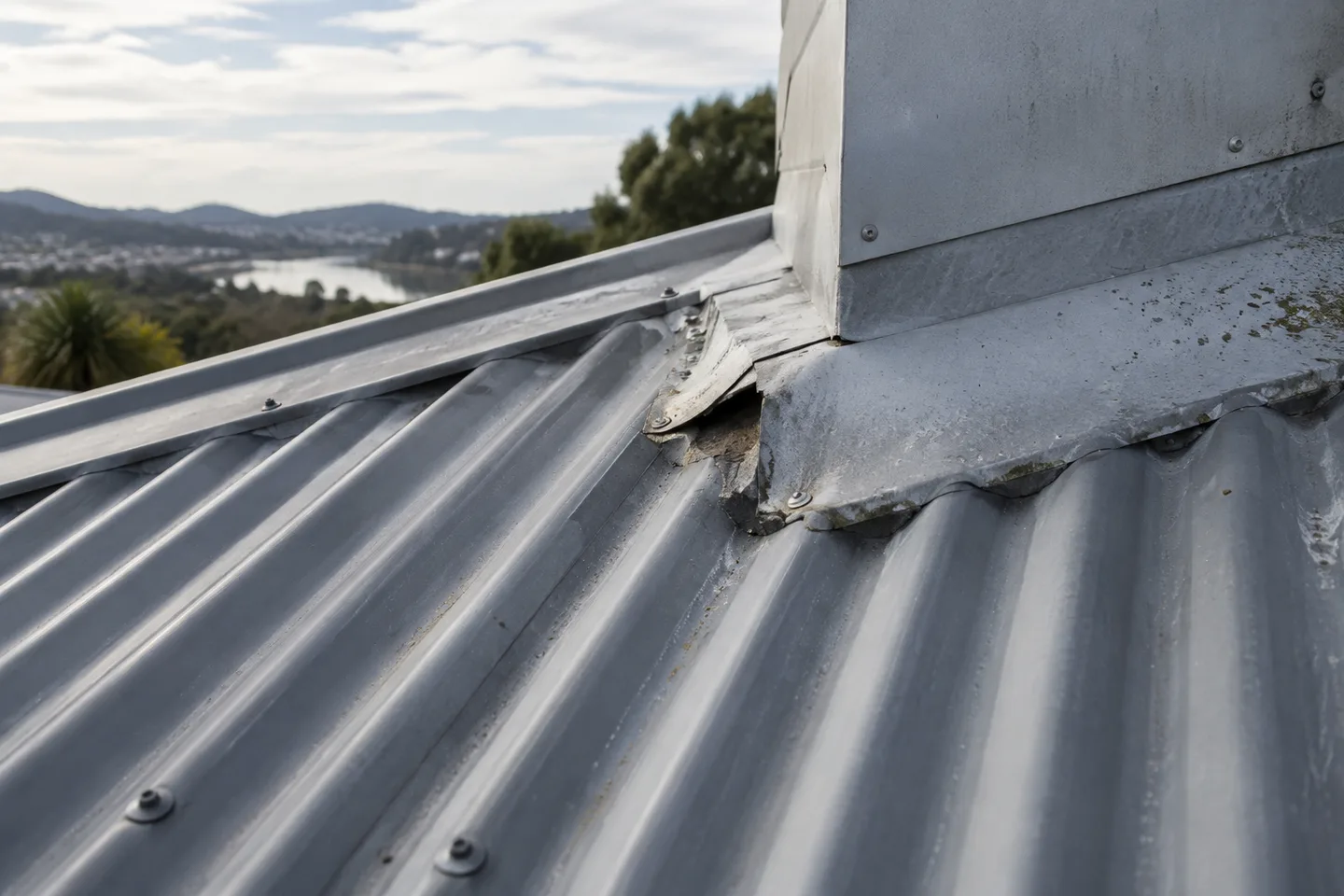
Understand leaks, damaged sheets and tired junctions before choosing a targeted repair.
View service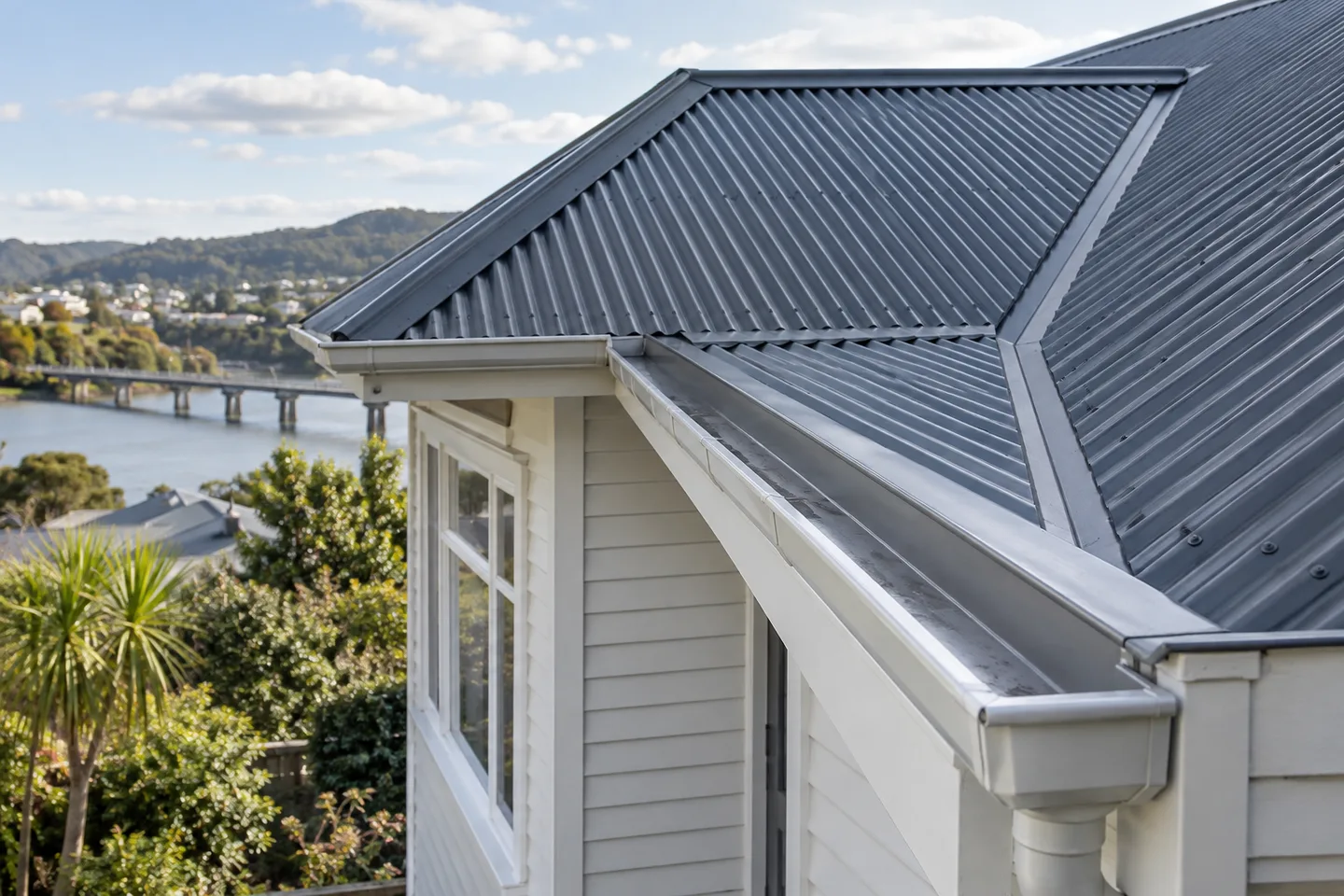
Build a practical picture of roof condition and prioritise maintenance before committing to major work.
View service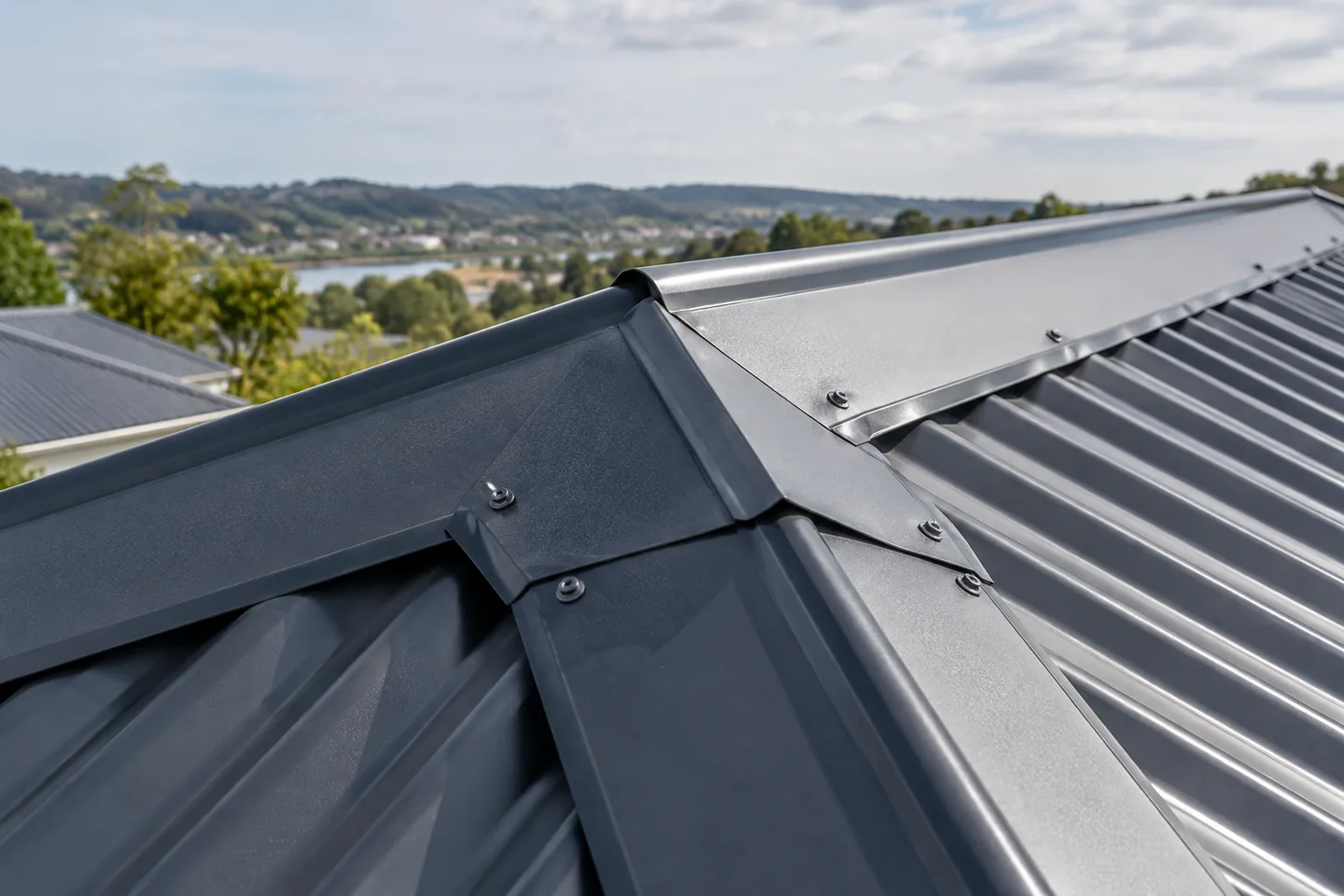
Focus on the junctions that keep roof edges, ridges and penetrations weather-resistant.
View serviceYour home. The next chapter.
Start with your suburb, your roof concerns and what you want to achieve.